Wednesday
22 July, 2026
News Flash
News Flash
PARIS, France, March 27, 2026 (BSS/AFP) - Here are the latest economic events in the Middle East war:
- Oil drops -
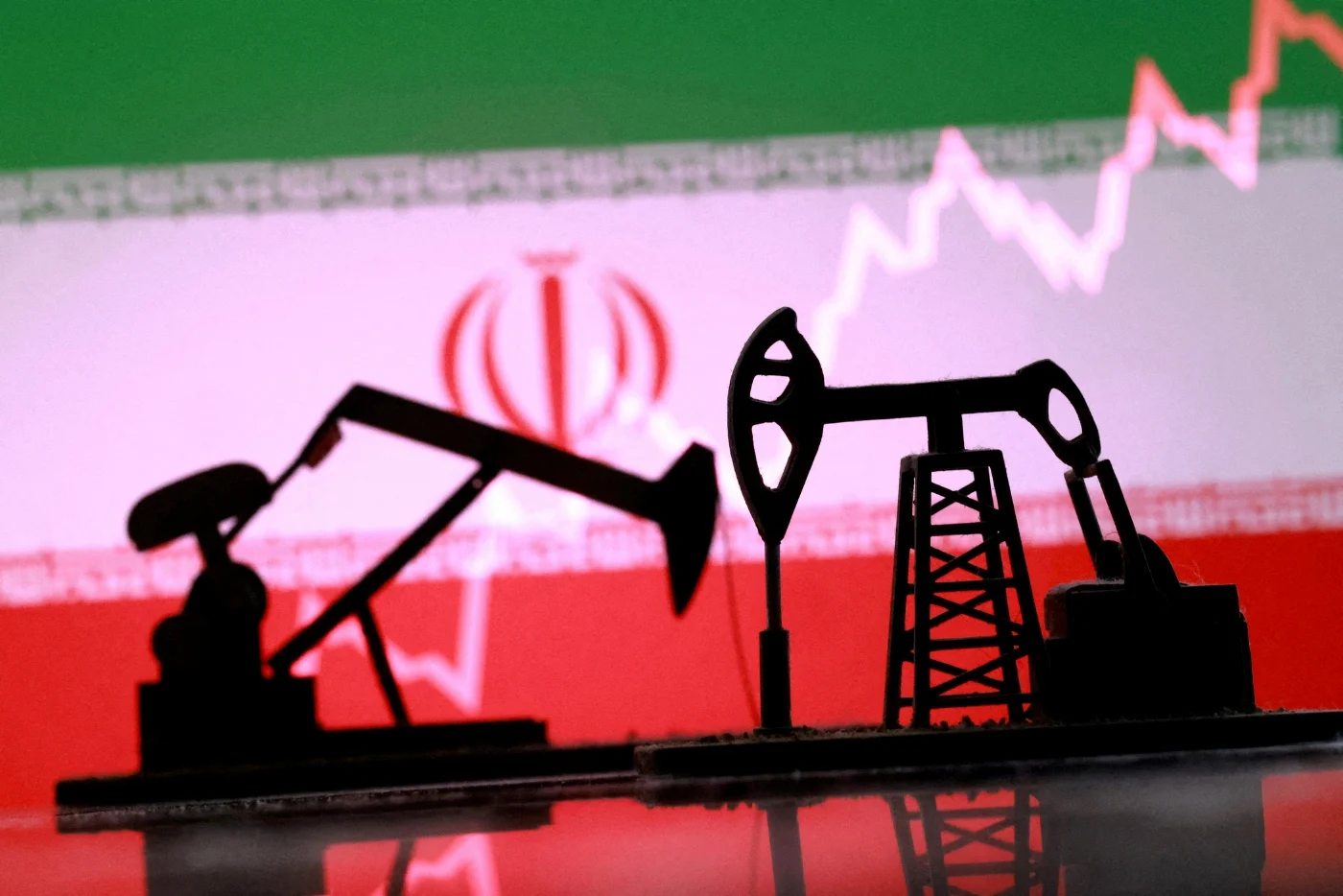
Oil prices fell Friday after US President Donald Trump pushed back a deadline for Iran to reopen the Strait of Hormuz, though that only partially pared the previous day's surge amid growing anxiety that the conflict will last far longer than first thought.
Brent crude is down 1.5 percent at 0230 GMT, selling at $93.07 a barrel, while West Texas Intermediate is down 1.8 percent at $106.12.
Brent is up almost 50 percent since the war began, while WTI has risen around 40 percent.
- Japan to ease coal restrictions -
Japan's government plans to temporarily lift restrictions on coal-fired power plants as it seeks to ease an energy crunch caused by the Middle East war, an official told AFP.
Power suppliers have been required to keep the operating rate of coal-fired thermal power stations that emit large amounts of carbon dioxide at or below 50 percent.
But the government now intends to allow full operation of older, less efficient coal-fired plants, for a year from the new fiscal year starting April, said Takahide Soeda, an industry ministry official.
- WTO says worst trade disruption in 80 years -
The global trading system is experiencing the "worst disruptions in the past 80 years", World Trade Organization chief Ngozi Okonjo-Iweala warned Thursday at the opening of the WTO ministerial conference.
"The world order and the multilateral system we used to know has irrevocably changed," she said, adding: "We cannot deny the scale of the problems confronting the world today."
- World Bank to respond 'at scale' -
The World Bank said it was prepared to provide immediate financial assistance to emerging market countries hit by the economic fallout of the conflict, saying it was "ready to respond at scale."
The Washington-based multilateral lender said a number of its clients in affected countries had already reached out as the crisis began to impact commodity prices and logistics.
- OECD cuts eurozone growth forecasts -
The Organization for Economic Cooperation and Development cut its eurozone growth outlook and forecast higher inflation for 2026 after the Middle East war caused energy prices to skyrocket.
The Paris-based group lowered its growth forecast for the currency union by 0.4 percentage points to 0.8 percent. It largely maintained its 2026 forecasts for the United States and China, but warned of further fallout should hostilities continue.
- Spain approves war-impact measures -
Spain's parliament approved a sweeping package worth five billion euros ($5.8 billion) aimed at curbing the economic impact of the Middle East war, including steep cuts to energy taxes.
- Poland cuts fuel taxes -
Poland's prime minister announced Thursday a series of measures to cushion the impact of soaring fuel costs, including reduced taxes and price ceilings.
The value-added tax was being reduced on petrol and diesel from 23 percent to eight percent, and a maximum price would be set on a daily basis by the energy ministry, said Donald Tusk.
- German consumer confidence slumps -
German consumer sentiment fell heading into April due to the war, a survey showed Thursday, adding to the woes facing Europe's top economy.
"Consumers are expecting inflation to take off again and the economic recovery to be held back as a result of higher energy prices," said Rolf Buerkl, head of consumer climate at the Nuremberg Institute for Market Decisions.
- South Korea prepares 'wartime' budget -
South Korea will roll out a $17 billion "wartime" supplementary budget and expand fuel tax cuts as the war in Iran pushes up energy prices, authorities said.
"The government will draw up a supplementary budget worth 25 trillion won next month -- funded by excess tax revenue -- in response to the prolonged Middle East conflict," the government said in a statement.