Saturday
22 August, 2026
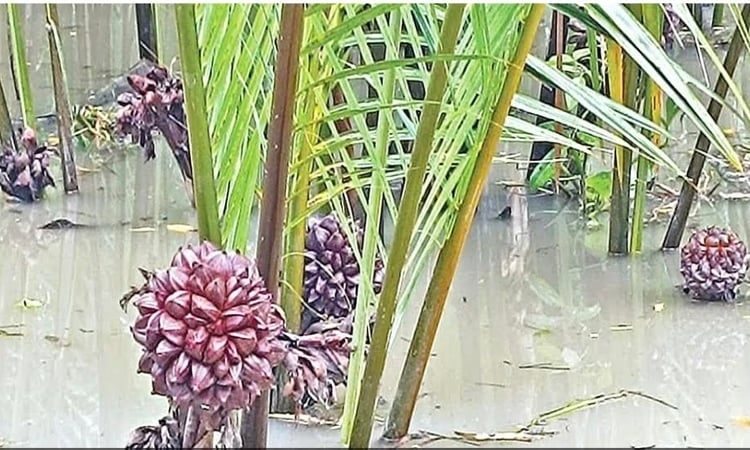
KHULNA, Dec 23, 2025 (BSS) - Golpata, a well-known mangrove species of the Sundarbans, along with its fruit locally known as golfol, is drawing renewed attention for its nutritional value and economic potential in Khulna's coastal region.
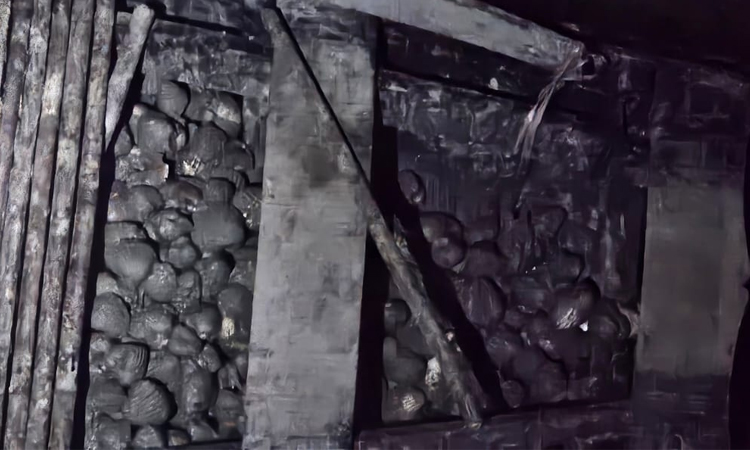
The golpata fruit, similar in taste and texture to palm pulp, is rich in vitamins and minerals, including potassium, calcium and vitamin C. It is consumed as food and is also widely used in traditional medicine.
Apart from its fruit, golpata is valued for its leaves, which are commonly used for roofing rural houses, while its sap is processed into jaggery.
Talking to BSS, Additional Deputy Director of the Department of Agricultural Extension (DAE) and Senior Monitoring Officer Md Mosaddek Hossain said the glycemic index of golfol is only 35, making it suitable for diabetic patients.
He said the abundance of saline fallow land in Khulna offers strong prospects for expanding golpata cultivation, and the DAE has taken several initiatives to promote the plant in coastal areas.
Golpata grows naturally along riverbanks and char lands in coastal upazilas such as Koyra, Paikgacha and Dakop, as well as in neighbouring districts. Local villagers said tidal waves often carry golpata fruits from the Sundarbans, which later germinate and grow on coastal land.
Talking to BSS, Additional Director of DAE of Khulna Zone Md Rafiqul Islam said golpata is a trunkless palm species with underground stems and coconut-like green leaves. The fruit grows in large clusters at the base of the plant.
Flowering and fruiting occur throughout the year, with peak production during the Bangla month of Asharh. Each cluster bears between 50 and 150 fruits, he said.
Sap extraction from golpata begins in the month of Agrahayan. Compared to date palm sap, golpata sap is denser, as only eight pitchers are required to produce one pitcher of jaggery, whereas date palm sap requires about sixteen pitchers.
Golpata jaggery is widely popular in rural Khulna and neighbouring Sundarbans districts. According to agricultural estimates, nearly 10,000 tonnes of golpata jaggery are produced annually in coastal areas, supporting hundreds of families.
In folk medicine, golpata fruit is believed to help treat intestinal worms, dehydration, skin diseases and physical weakness. The roots of the plant are used to relieve dysentery and insomnia.
Although commercial marketing of golpata fruit remains limited, some individuals have started selling it to tourists in heritage areas of Bagerhat.
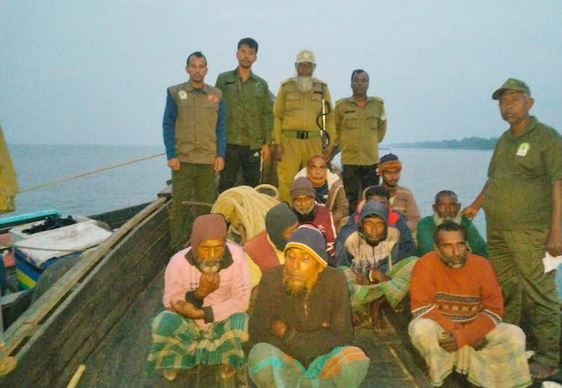
Meanwhile, sap collectors known as bawalis continue to harvest golpata leaves and sap from the Sundarbans during January to March, a risky occupation due to frequent tiger encounters.
Historically, the practice of extracting sap from golpata was introduced by the Rakhine community, who migrated from Arakan in 1784.
Recently, the Bangladesh Sugarcrop Research Institute (BSRI) has launched research on jaggery production from golpata sap in Mongla of Bagerhat district.
Contacted, Professor Monirul Islam Ripon of the Agrotechnology Discipline at Khulna University said golpata naturally grows in mangrove forests and its leaves have huge demand for making thatched houses.
"Most marginal rural people are dependent on golpata. Its fruit is popular like palm fruit, and both golpata fruit and jaggery are widely consumed in the neighbouring districts of the Sundarbans," he said.
He added that many people, including diabetic patients, benefit from consuming the fruit, and both golpata plants and their products have strong demand at home and abroad.
Experts believe that with proper planning and research, golpata and its fruit could emerge as a major economic resource for Bangladesh's coastal belt.