Monday
31 August, 2026
News Flash
News Flash

By Golam Moin Uddin
DHAKA, June 03, 2026 (BSS) - The government of Bangladesh is entering a new era in public procurement governance with the complete transition to electronic Government Procurement (e-GP) from the very beginning of the next fiscal year.
From July 01, 2026, no offline or manual tendering will be allowed in public procurement activities, marking a historic milestone in the country’s procurement reform journey.
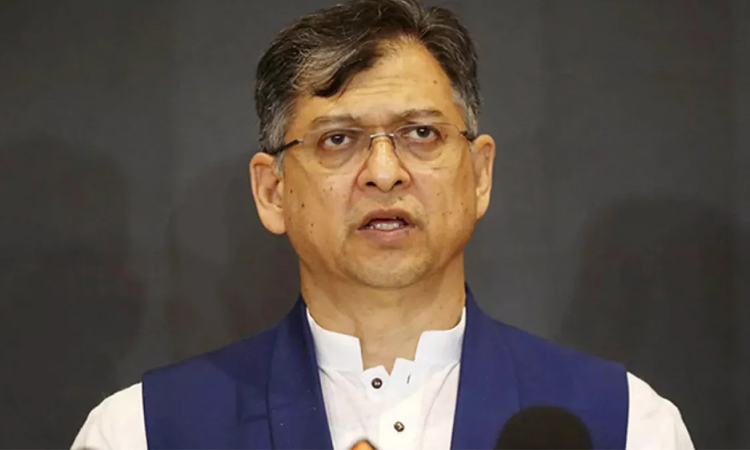
Talking to BSS, S. M. Moin Uddin Ahmed, Chief Executive Officer (Secretary) of the Bangladesh Public Procurement Authority, stated that if any tender process is initiated manually before July 01, 2026, the remaining stages of that process may continue manually.
“However, no new offline tendering process will be permitted after that date. Applications seeking waiver from using e-GP will also no longer be approved after June 30, 2026,” he said.
Moin said the decision reflects the government’s strong commitment to ensuring transparency, efficiency, accountability, and competition in public procurement through full digitization.
Public Procurement: A Critical Sector:
Public procurement plays a pivotal role in Bangladesh’s economy and governance. Nearly 45 per cent of the national budget and around 85 per cent of the Annual Development Programme (ADP) expenditure are spent on public procurement.
Ensuring transparency and efficiency in this sector is, therefore, essential for achieving value for public money and improving service delivery.
To strengthen procurement governance, the government introduced the Public Procurement (Amendment) Ordinance, 2025, which became effective on September 28, 2025. Later, the Public Procurement (Amendment) Act, 2026 ratifying the Ordinance was gazetted on April 10, 2026.
Simultaneously, the Public Procurement Rules (PPR), 2025 were introduced, replacing the PPR, 2008 and ushering in a comprehensive reform of the country’s procurement system aligned with international good practices.
e-GP: The Backbone of Procurement Reform:
The mandatory use of e-GP for all procurement activities is one of the most transformative reforms under the Public Procurement Act. The e-GP system, introduced in Bangladesh in 2011, has already revolutionized procurement management by digitizing the entire procurement cycle — from tender invitation to contract award, contract management and payment processes.
The move toward compulsory e-GP is expected to eliminate many longstanding problems associated with manual tendering, including delays, lack of transparency, human interference, and opportunities for irregularities.
According to BPPA data, the impact of the reforms is already visible.
Increased Competition:
Average participation in tenders has significantly increased. Between September and December 2025, the average number of bidders per tender rose to 8.4, compared to only 2.2 before the implementation of PPR, 2025.
Surge in e-GP Registration:
Daily applications for e-GP registration increased dramatically from around 60–70 to nearly 200–300 after the new rules came into force.
Women entrepreneurs are also increasingly participating in public procurement. Currently, 7,408 women bidders are registered in the e-GP system, including 1,047 newly registered after PPR, 2025 became effective.
Improved Price Rationality:
The average deviation between bid prices and official cost estimates in works procurement improved from negative 10 percent to negative 7 percent, helping reduce concerns over abnormally low bidding.
Key Features of PPR, 2025:
The Public Procurement Rules, 2025 consist of 154 Rules and 21 Schedules and introduce several landmark reforms, including: Removal of the ±10 percent price cap in national works procurement to ensure market-based pricing.
Mandatory use of e-GP in all public procurement;
Disclosure of beneficial ownership of contract awardees; Introduction of Sustainable Public Procurement (SPP); Procurement strategy and early market engagement; Expansion of framework agreements and negotiation mechanisms; Allocation of 25 percent operational procurement budget for women, small, and new entrepreneurs; Establishment of procurement units in ministries and divisions; Recognition of physical services as a distinct procurement category;
These reforms are aimed at transforming procurement from a routine administrative process into a strategic governance function.
Improved Efficiency through e-GP:
Since the introduction of e-GP in 2011, procurement efficiency has improved remarkably.
Key indicators up to January 2026 show: Average procurement lead time reduced to 54 days; 99 percent of contracts signed within the original tender validity period; 100 percent publication of tender notices; 100 percent publication of contract awards.
These achievements indicate stronger transparency, discipline, predictability, and accountability in procurement management.
Remaining Challenges:
Despite notable progress, several challenges remain. Capacity gaps among procuring entities and bidders, weak contract management, ethical vulnerabilities, and resistance to behavioral change continue to affect implementation.
BPPA officials also identified the need for stronger capacity building, strategic communication, monitoring, and institutional support to ensure sustainable reform outcomes.
The Road Ahead:
BPPA officials said the authority plans to continue strengthening procurement governance through enhanced training, monitoring, policy support, and institutional reforms. The proposed Institute of Public Procurement (IPP) is expected to play a major role as a national centre of excellence for procurement training, research, and professional development.
Bangladesh’s transition to full electronic procurement represents not only a technological shift but also a broader governance reform aimed at ensuring transparency, fairness, and better public service delivery.
“With mandatory e-GP becoming fully operational from July 2026, Bangladesh is set to become one of the leading examples of digital public procurement transformation in the region,” said S. M. Moin Uddin Ahmed, Chief Executive Officer of BPPA.
He said that regular monitoring, strengthened training, and effective implementation are essential to sustain the various achievements in public procurement reforms.
He also emphasized the importance of comprehensive training before the appointment of project directors.
The BPPA CEO said they have taken plans to develop the proposed Institute of Public Procurement (IPP) into a Centre of Excellence in the future, where integrated training will be provided for stakeholders involved in public procurement and project management.