Tuesday
11 August, 2026
News Flash
News Flash
By Delwar Hossain Akaid
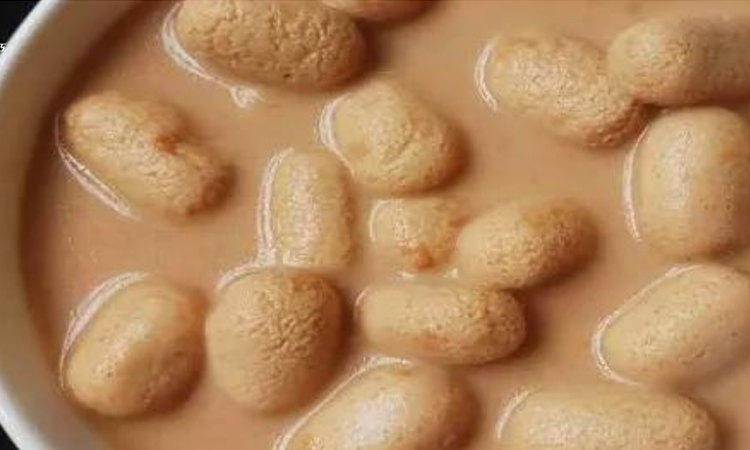
CUMILLA, May 13, 2026 (BSS) - When discussing Bangladesh’s traditional sweets, one name stands above the rest — Cumilla’s Rasmalai. Known for its rich taste and unique preparation, the iconic dessert has become a symbol of Bangladeshi culinary heritage and is now gaining increasing international recognition.
Made from a delicate blend of milk, kheer and chana, Cumilla’s Rasmalai is more than just a dessert. It represents the history, culture and identity of the region. With a tradition spanning nearly a century, the sweet has crossed national borders and earned appreciation among food lovers worldwide.
However, alongside its growing popularity, concerns are mounting over counterfeit products, adulteration and declining quality standards in many outlets using the Rasmalai name. Industry insiders and cultural activists are now calling for stronger measures to preserve the authenticity of the traditional delicacy.
Researchers and local historians say the origins of Cumilla’s Rasmalai are closely linked to the milk-based culinary traditions of the Ghosh community. The modern version of the dessert is believed to have originated from “Matribhandar,” established in the Manoharpur area of Cumilla city around the 1930s.
Historical accounts suggest that brothers Khanindra Sen and Manindra Sen, or sweet merchant Phanindra Sen, pioneered the venture. There are also claims that local landlord Indubhushan Dutta provided land for the business.
At the time, kheerbhog was commonly prepared in Ghosh households. Over time, confectioners developed a new sweet by combining kheer with chana and a small amount of flour before soaking it in thickened milk. The dessert later became known as Rasmalai and quickly gained popularity for its distinctive taste.
Following the 1950s, renowned establishments such as Cumilla Mishti Bhandar, Bhagwati Pera Bhandar and Shital Bhandar further enriched Cumilla’s sweet-making heritage. Nevertheless, Matribhandar remained the most recognized name associated with Rasmalai.
The uniqueness of Cumilla’s Rasmalai lies in its traditional preparation process. Cow’s pure milk is boiled slowly to create thick kheer, while small balls made from chana and minimal flour are immersed in the creamy mixture.
According to traditional standards, only 13 to 14 kilograms of authentic Rasmalai can be produced from one maund of milk.
“We still prepare Rasmalai by maintaining traditional methods and quality standards,” said Tamal Saha, manager of Matribhandar. “Production remains limited each day, and we avoid overselling. Customers continue to trust us because of our commitment to authenticity.”
He also alleged that many shops using the Matribhandar name have no connection with the original establishment.
Along the Dhaka-Chattogram highway, especially around the Alekharchar area of Cumilla, numerous shops now operate under names such as “Adi Matri Bhandar,” “New Matri Bhandar” and “Famous Matri Bhandar.”
Locals claim more than a hundred such shops exist along the highway corridor.
While these businesses often sell Rasmalai at lower prices, consumers have raised concerns over compromised quality. Experts allege that some producers use powdered milk, excess flour and artificial ingredients to increase production at lower costs, ultimately affecting both flavor and authenticity.
Visitors from across the country continue to seek out genuine Cumilla Rasmalai despite the growing confusion in the market.
“A trip to Cumilla feels incomplete without tasting Rasmalai,” said Mizanur Rahman, a tourist from Lakshmipur. “The flavor of the authentic product is entirely different.”
Businessman Rashedul Islam from Chattogram echoed similar sentiments, saying he had never found the same taste elsewhere, though identifying genuine outlets has become increasingly difficult.
Nusrat Jahan, visiting from Narayanganj, said authentic Rasmalai carries a rich milk aroma and creamy texture that many imitation products fail to replicate.
Cultural activists say protecting the originality of Cumilla’s Rasmalai has become more important than ever following its Geographical Indication (GI) recognition.
“Rasmalai is not just a sweet; it is part of Cumilla’s cultural identity,” said Jahangir Alam Imrul, president of Cumilla Heritage. “GI recognition has given it international acknowledgment, but now effective initiatives are needed to distinguish authentic products from fake ones.”
He called for stronger monitoring and regulatory action to prevent adulteration and misuse of the brand name.
Tourism stakeholders also believe the dessert holds significant export and branding potential for Bangladesh.
“Cumilla’s Rasmalai is not only a local tradition, it is an important tourism asset for Bangladesh,” said Mir Mofizul Islam, president of Love for Bangladesh Tourism Club. “With proper branding and international marketing, it could create major opportunities in foreign markets.”
He added that the dessert is already popular among expatriate Bangladeshis abroad, with many entrepreneurs using it as a signature item in restaurant businesses overseas.
As Cumilla’s Rasmalai continues to gain global attention, preserving its authenticity may prove essential to ensuring that this cherished tradition retains its reputation for generations to come.