Wednesday
19 August, 2026
News Flash
News Flash
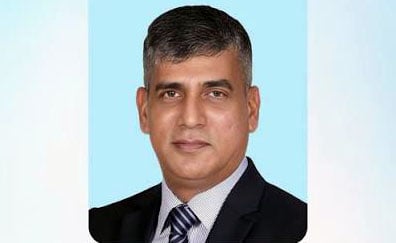
DHAKA, Aug 19, 2026 (BSS) – Bangladesh Telecommunication Regulatory Commission (BTRC) Chairman Major General Md Emdad Ul Bari (Retd) today said having connectivity alone is not enough and stressed the need for quality internet, affordable data access and suitable devices to bridge the country’s digital divide.
“Having a connection is not enough. We need to have the internet. We must have quality,” he said.
The BTRC chairman made the remarks at the “Powering the Future: Robi Completes Dhaka Modernisation” event at Robi Corporate Office, where he congratulated mobile operator Robi for completing work involving 5,000 sites in three months.
He said the telecom journey in Bangladesh began with the objective of supporting development through inclusiveness and spreading connectivity. As connectivity became increasingly important for development, however, another divide emerged in the form of the technology and digital divide.
Bari said the definition of the digital divide is broad and that the challenge is not simply about having a connection.
He said bridging the digital divide also requires appropriate devices, noting that having internet access without quality service does not provide the desired benefit to people.
The chairman said the development of network infrastructure and expansion of coverage cannot be the responsibility of regulators alone.
He said more towers are needed and network density has to increase, adding that he had visited Robi the previous week and discussed the issue.
Referring to concerns over radiation from towers, Bari said public understanding and awareness are also important in expanding network infrastructure.
He said the industry needs to engage in awareness-building activities because network expansion requires wider cooperation.
The BTRC chairman also referred to a common question raised at today’s public hearing regarding the validity of data.
He said regulators try to explain to people that if unlimited validity is provided for all data, prices will increase and ordinary people may not be able to afford the services.
“It is not the responsibility of regulators alone to sensitise people,” he said, calling for greater efforts to make customers understand the complexities involved in telecom services.
Bari said around half of the people in Bangladesh are still using feature phones, which limits their access to data services.
He said the government is working to expedite and ease handset penetration by negotiating with various government financial agencies.
He also said the regulator is providing regulatory support to increase the availability of EMI-based handset purchases.
The chairman urged industry players to align their efforts with these initiatives so that more people can obtain suitable handsets and benefit from data services.
“A modernised network must be supported by modernised regulation as well,” he said.
Bari said telecom regulations also need to be modernised, particularly in the age of artificial intelligence.
He said artificial intelligence would not only be consumer-facing but would also become business-facing and could be meaningfully used for optimal utilisation of resources.