Tuesday
08 September, 2026
News Flash
News Flash
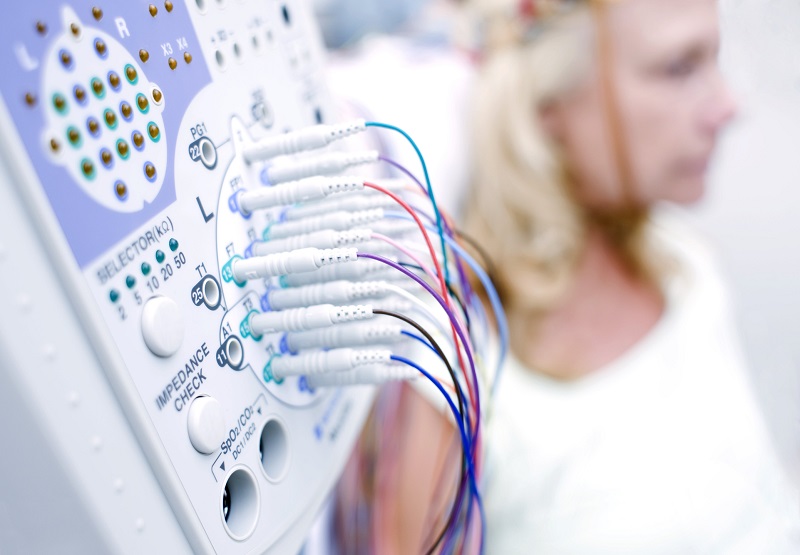
DHAKA, May 07, 2026 (BSS) – Chaitali (pseudonym) was only three and a half years old when she first had a seizure, which occurred suddenly one afternoon while she was playing.
Noticing her unusual condition, her mother immediately took her to a doctor. After examining her, the doctor said she was suffering from seizures, commonly known as epilepsy.
She was taken to a private clinic in the Green Road area near her residence, where she remained for a day under treatment. However, she later experienced several more seizures and is still undergoing treatment.
Pediatrician Dr Saidur Rahman said when people hear the word epilepsy, they often imagine seizures. “Many such patients are seen lying helpless on the streets. Some people even mistakenly try harmful practices. However, many do not understand that seizures are symptoms of a complex brain disorder. So, does seizure always mean epilepsy? No, it does not,” he said.
He explained that seizures can occur due to various causes. “Seizures are usually a symptom of a complex brain condition. They can occur at any time after birth. On the first day of life, low blood sugar may cause seizures. On the second day, lack of oxygen to the brain can trigger them. In the first week, brain hemorrhage or infection may be responsible,” he said.
He added that within the first month, seizures may occur due to brain abnormalities or metabolic complications. “Newborn seizures are somewhat different. For example, sudden pauses in normal movement, jerking of body parts, or even temporary breathing cessation. Some simple movements may resemble seizures, but careful observation can help differentiate them. Simple seizures often stop when held and may not require treatment,” he added.
Child neurology specialist Dr Kazi Ashraf said children can experience seizures for various reasons within the first year of life. “Among them, infantile spasms require special attention and treatment. Febrile seizures are common in children aged 6 months to 6 years during fever,” he said.
He said febrile seizures can often be controlled by following basic guidelines. “These usually improve with age. They are generally triggered by infections outside the brain. It is important to ensure there is no serious brain infection such as meningitis or encephalitis, in which case urgent hospital care and investigations are required,” he added.
He further said newborn seizures often respond to temporary treatment, while a small number of children may require long-term medication.
He added that epilepsy requires prolonged treatment. “If seizures occur repeatedly without any external cause, it is termed epilepsy. Around 70–80 percent of epilepsy patients can achieve full seizure control with proper treatment. Management depends on age and symptoms,” he said.
He noted that epilepsy is broadly of two types based on symptoms. “Medication should be started at the lowest dose and adjusted gradually. If standard drugs fail, alternative treatments should be considered. Regular blood tests are needed every 3–6 months during treatment,” he said, adding that if a seizure lasts more than five minutes, the patient must be taken to the emergency department immediately.
He also emphasized that treatment of epilepsy is not limited to seizure control alone. “Associated issues such as walking, speech, and cognitive development should also be addressed. With proper control, children with epilepsy can continue their studies and normal intellectual activities,” he said.