Monday
07 September, 2026
News Flash
News Flash
By Md Mamun Islam
RANGPUR, Jan 4, 2026 (BSS) – Due to a sharp drop in maximum temperatures in the northern part of the country today, the coldest cold wave of the season is shaking people, disrupting public life and forcing thousands to stay indoors.
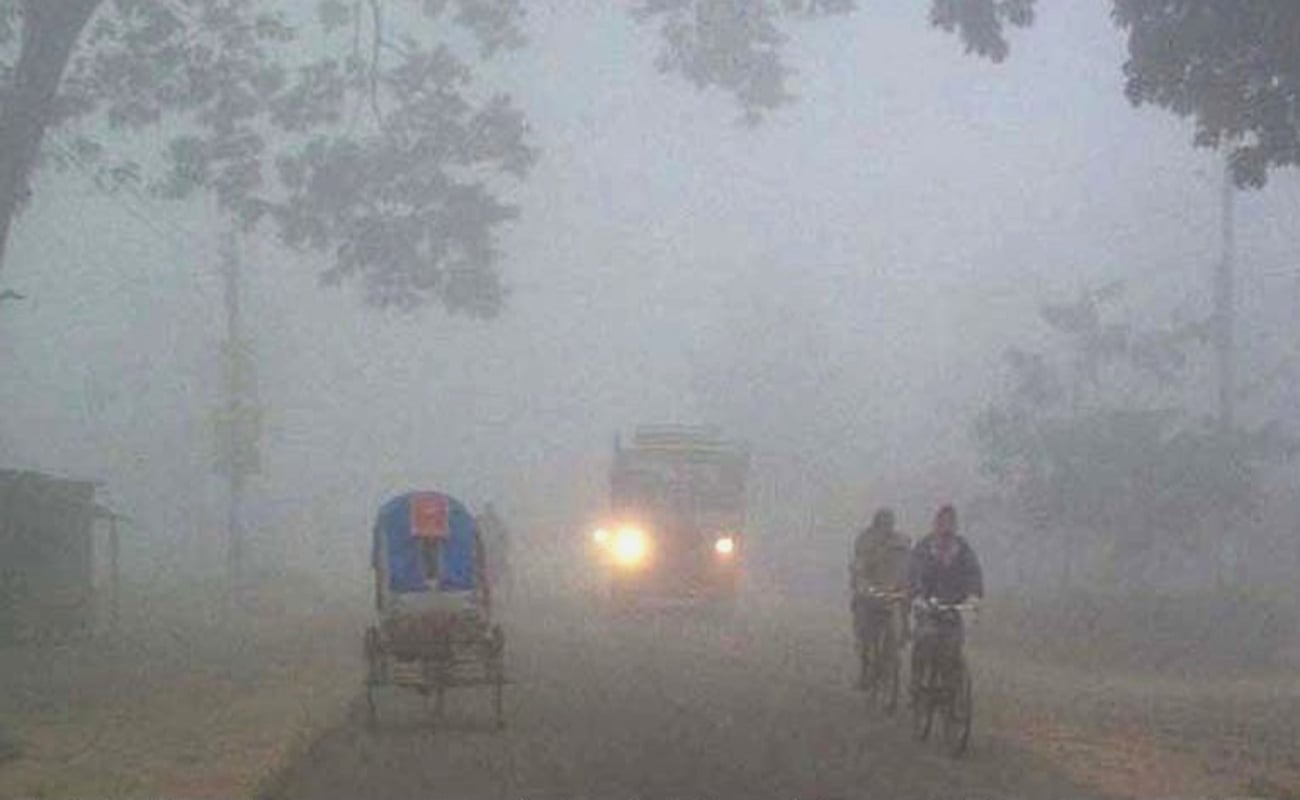
The sweeping bone-chilling cold wave coupled with cooler winds amid foggy and cloudy sky and no sunlight throughout the day, literally paralysed the normal life of people.
The suffering of people living in the riverside char areas, daily wage earners and agricultural laborers, and floating people increased, making their lives even more miserable today.
The vehicles plied on the roads and highways keeping headlights on to avert accidents and the number of passengers at bus stands’, rail stations and river ports reduced to the minimum due to the biting cold all day today.
Officer-in-Charge of Rangpur Meteorological office meteorologist Md Mostafizar Rahman told BSS that maximum temperatures increased sharply by 5 to 7.5 degrees Celsius and minimum temperatures rose by one degree Celsius in the region today.
"The gap between minimum and maximum temperatures dropped to just two to five degrees Celsius and the sun had been obscured by clouds and fog, with cold winds blowing, resulting in severe cold and making life miserable today," he said.
The deteriorating weather situation may continue in the next 24 hours across the region, he mentioned.
Today, the minimum temperatures were between 11 and 12.1 degrees Celsius and the maximum temperatures were between 14.2 and 17.2 degrees Celsius, which reduced the gap between these two temperatures to the minimum.
As a result, bone-chilling cold is being felt and the poor, distressed and displaced people are facing extreme hardship.
The minimum temperatures recorded at 9 am today were 12.1 degrees Celsius at Rangpur city, 11.6 degrees at Dinajpur, 11.8 degrees at Saidpur, 11 degrees at Tentulia, 12 degrees at Dimla, 11 degrees at Rajarhat, 11.8 degrees at Thakurgaon, 12 degrees at Lalmonirhat and 12.1 degrees Celsius at Gaibandha points.
The maximum temperatures recorded at 3 pm today were 15.5 degrees Celsius against yesterday’s 21.5 at Rangpur, 16.8 degrees against yesterday's 21 degrees at Dinajpur, 17.2 degrees against yesterday's 22.8 degrees at Saidpur, 15.5 degrees Celsius against yesterday’s 23 at Tentulia, 14.3 degrees against yesterday’s 21 degreees at Dimla, 14.2 degrees against yesterday’s 21.5 degrees at Rajarhat, 16.7 degrees against yesterday's 22 degrees at Thakurgaon, 14.6 degrees against yesterday's 22.2 degrees at Lalmonirhat and 16 degrees against yesterday's 21.5 degrees Celsius at Gaibandha points in the region.
Local residents said the extreme weather today further aggravated sufferings of thousands of people living on the sandy char areas in Rangpur, Kurigram, Lalmonirhat, Gaibandha, Nilphamari, Dinajpur, Thakurgaon, Panchagarh and other adjoining districts on the Brahmaputra basin.
Doctors at the hospitals and health complexes said they continued to treat a higher number of people with cough, fever, asthma and other cold and climate change related diseases today like the past few days.
Divisional Director (Health) Dr Md Gausul Azim Chowdhury said that the stocks of medicines were adequate and steps were taken at the government-run health facilities in all districts and upazilas to properly treat the cold-affected patients.
The district administrations, NGOs and different voluntary, professional, socio-cultural and charitable organisations, business bodies, banks and other institutions have further intensified distribution of warm clothes among the cold-stricken people.
The Deputy Commissioners, Upazila Nirbahi Officers, District Relief and Rehabilitation Officers and other officials and employees have been continuing distribution of blankets and other warm clothes among the cold-hit people in the northern region.
Additional Director (In-charge) of the Department of Agricultural Extension for Rangpur region Md Shirajul Islam said that if the current weather continues for a long time, the normal growth of Rabi crops could be disrupted due to extreme cold and lack of sunlight.
“However, no such situation has arisen so far across the region this season. We are disseminating necessary information and technology to farmers to take care of their growing Rabi crop plants to avoid any damages from cold strokes,” he added.