Thursday
21 May, 2026
News Flash
News Flash
By Abdur Razzak
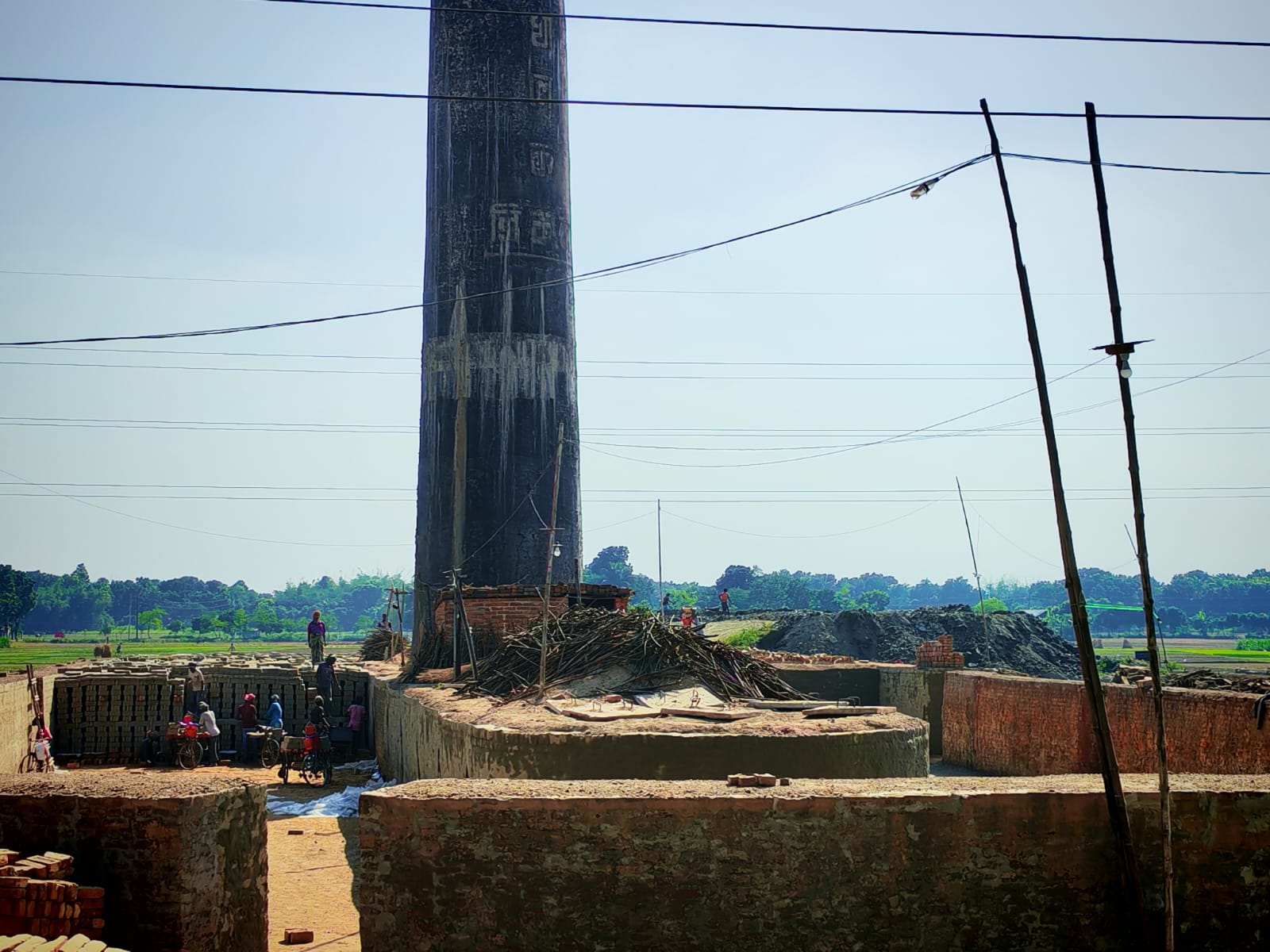
KUSHTIA, Dec 11, 2025 (BSS) - The district administration announced plans to demolish illegal brick kilns operating in the district, citing long-standing irregularities, environmental hazards and damage to agricultural land.
Illegal brick kilns continue to operate across the district, exploiting long-standing irregularities and ignoring government policies and environmental rules.
Many of these kilns are burning wood openly and using soil extracted from agricultural land, causing severe environmental degradation and threatening local agriculture and public health.
According to the Department of Environment (DoE), there are 213 brick kilns in Kushtia's six upazilas, but only 17 possess valid environmental clearances. The remaining 196 are running without licenses or legal authorization.
Among the legal brick kilns, Bheramara has three, Daulatpur one, Kumarkhali nine and Khoksa four. Two of these are auto-brick factories and 15 are zigzag kilns. Kushtia Sadar and Mirpur upazilas have no legal brick kilns at all.
Of the 196 illegal kilns, the DoE reports that 1 is auto, 42 zigzag, 29 drum-chimney, and 124 high-rise fixed-chimney kilns. Owners of 21 illegal kilns have filed writ petitions with the High Court, temporarily preventing authorities from taking legal action against them.
Local residents say the establishment of brick kilns on agricultural land is strictly prohibited by law, yet influential groups have destroyed three to four acres of farmland per kiln. Every year, at the start of the brick-making season, new bricks are produced by cutting soil from farmlands and riverbanks, reducing arable land and contributing to declining food production.
Although DoE policy requires kiln owners to submit an affidavit detailing the source of their soil, most owners are not complying, locals allege. As a result, illegal soil extraction continues.
Farmer Shariful Hossain said agricultural land and forests are being destroyed, adding that smoke and ash from the kilns are damaging crops and polluting the air. "Fruit and forest resources are being burned, and our crops are suffering," he said.
Environmental researcher Gautam Kumar Roy said that of the 10,000 brick kilns in Bangladesh, about 4,000 operate illegally, and nearly 95% burn wood. An estimated 25 million metric tons of wood are burned annually. He warned that topsoil fertility is being lost permanently due to soil burning and excavation.
"Topsoil contains microorganisms essential for fertility. Once destroyed, the land becomes unsuitable for farming or even for holding water," Roy said. He emphasized the urgent need to shift to environmentally friendly block bricks made from cement and sand.
Healthcare professionals are also concerned. Dr. Hossain Imam, resident medical officer at Kushtia's 250-bed hospital, warned that black smoke from kilns is extremely hazardous. "It damages the lungs, causes inflammation, and can lead to incurable respiratory diseases," he said.
Professor Shihab Uddin Ahmed echoed these concerns, stating that black smoke is destroying soil fertility and harming crops, threatening the ecological balance.
Shaheen Ali, general secretary of a faction of the Kushtia Brickyard Owners' Association, claimed the group controls 73 kilns and that most use coal, except for "8 to 9 kilns" that burn wood.
Responding to questions about environmental clearance, he said, "No one in Bangladesh has environmental clearance. If that is the case, then everyone is illegal." He blamed previous governments for halting DoE clearances.
Md. Imdadul Haque, Deputy Director of the DoE in Kushtia, said enforcement drives have begun and will continue in phases.
Additional Deputy Commissioner (General) Md. Jahangir Alam confirmed that all illegal brick kilns will be demolished gradually.
"We are committed to restoring environmental order and protecting public health," he said.