Monday
07 September, 2026
News Flash
News Flash
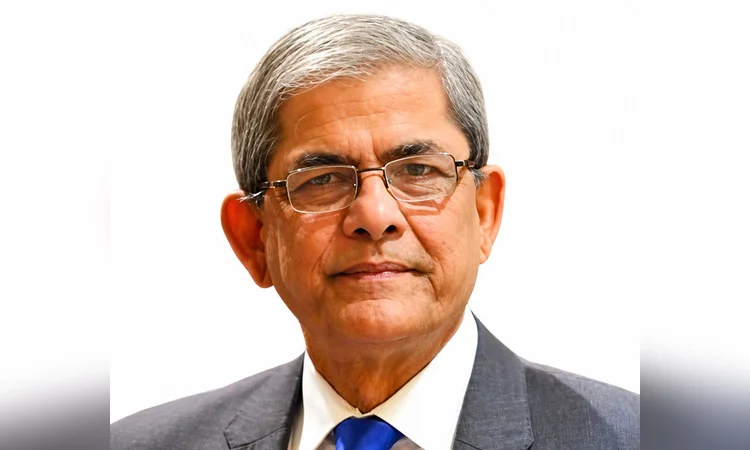
DHAKA, Sept 7, 2026 (BSS) - President Mirza Fakhrul Islam Alamgir has extended heartfelt greetings and felicitations to the people of Bangladesh and all concerned on the occasion of ‘International Literacy Day 2026’, to be observed tomorrow.
“Developing an educated and skilled population is essential for human-centred development, environmental conservation and sustainable economic prosperity,” he said in a message here today marking the day.
He said this year’s theme, “Literacy for People, the Planet and Prosperity,” is highly relevant and significant in the current global context.
The President said literacy is a fundamental human right and one of the key foundations of sustainable development for individuals, society and the state.
“In today’s world, literacy is no longer confined to reading, writing and numeracy; it also encompasses life skills, proper use of information technology (IT), analytical thinking, ethical values and environmental awareness,” he said.
He said literacy plays a vital role in addressing climate change, ensuring proper use of natural resources, creating employment, increasing productivity and promoting inclusive development.
The President underscored the need for ensuring quality education and lifelong learning opportunities for all.
He said the government is committed to building an inclusive, quality and modern education system. To this end, a plan has been taken to raise education expenditure to 5 percent of GDP.
Various initiatives have been undertaken to introduce modern laboratories, multimedia classrooms, school feeding programmes and robotics corners in schools and double educational stipends, he said.
Measures have also been taken to strengthen teaching monitoring, reform the examination system, increase students’ participation in sports, recruit and train new teachers, introduce the ‘One Teacher, One Tab’ programme and facilitate retirement benefits for MPO-listed teachers, he added.
Noting that initiatives are continuing to expand literacy and skill-based education opportunities for women, children, marginalised communities, ethnic minority groups, persons with disabilities and other disadvantaged people, the President hoped that their successful implementation would help build a knowledgeable, technology-oriented, skilled and responsible future generation.
He urged government and private organisations, educational institutions, development partners, civil society, media representatives and people from all walks of life to come forward collectively to achieve this goal.
The Head of the State wished overall success of all programmes undertaken to mark the occasion.