Thursday
16 July, 2026
News Flash
News Flash
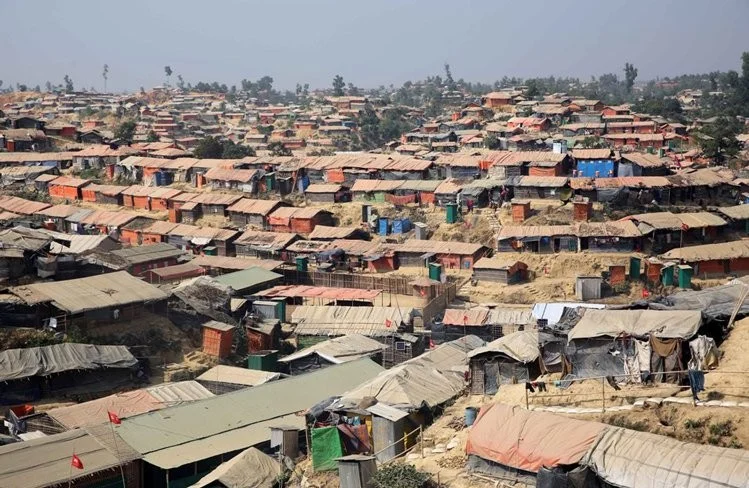
DHAKA, Feb 10, 2026 (BSS) - The United Nations World Food Programme (WFP) in Bangladesh recently received an additional EUR two million contribution from the European Union, through the European Commission’s Directorate-General for European Civil Protection and Humanitarian Aid Operations (ECHO).
This brings the EU’s total contribution to WFP in Bangladesh in 2025 to EUR 15.3 million, all in support of lifesaving food and nutrition assistance for Rohingya refugees and host communities, a WFP press release said here today.
“2025 has been a challenging year for humanitarian operations worldwide,” said Davide Zappa, Head of EU Humanitarian Aid in Bangladesh.
“Yet the European Union remains firmly committed to the Rohingya and their host communities. Solidarity and support for people in crisis are at the heart of the EU’s founding principles, and we will continue working with trusted partners such as WFP to deliver neutral, impartial and needs-based humanitarian assistance, in line with our shared responsibility.”
Through its e-voucher system, WFP provides life-saving food assistance to the entire Rohingya community – now nearly 1.2 million people, including around 140,000 new arrivals between 2024 and 2025. Each family receives an entitlement of USD 12 per person per month to purchase a variety of staple and fresh food items.
In addition, WFP delivers nutrition support to prevent and treat malnutrition among children and pregnant and breastfeeding women, school meals for 260,000 Rohingya children aged 4–14, and resilience-building activities for both Rohingya and host communities.
“We thank the EU for its timely contribution and long-standing partnership,” said Simone Lawson Parchment, WFP Acting Country Director. “Only with commitments like this can WFP keep pace with growing needs, helping Rohingya families meet their essential needs while preserving their dignity. In 2026, as needs continue to outpace our response, such support is more vital than ever.”
Now in its ninth year, the Rohingya crisis is confronting severe challenges, including a sharp decline in funding. In 2026, WFP faces a USD 147 million shortfall for its lifesaving food and nutrition programmes. Without new contributions, this assistance could be disrupted as early as April, it said.