Friday
05 June, 2026
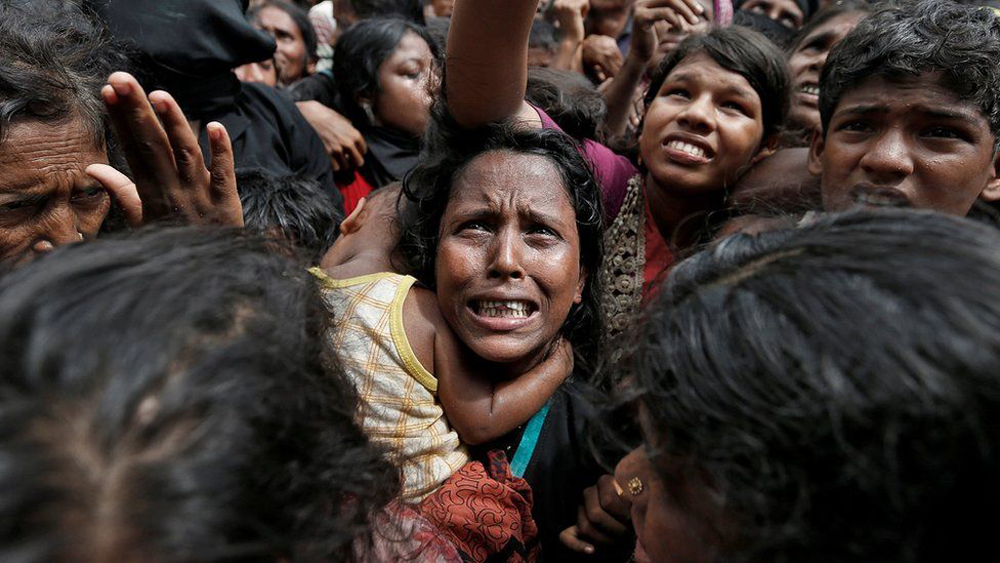
LOS ANGELES, Dec 7, 2021 (BSS/AFP) - Rohingya refugees sued Facebook on
Monday for $150 billion over claims the social network is failing to stem
hate speech on its platform, exacerbating violence against the vulnerable
minority.
The complaint, lodged in a California court, says the algorithms that power
the US-based company promote disinformation and extremist thought that
translates to real-world violence.
"Facebook is like a robot programmed with a singular mission: to grow," the
court document states.
"The undeniable reality is that Facebook's growth, fueled by hate,
division, and misinformation, has left hundreds of thousands of devastated
Rohingya lives in its wake."
The mainly Muslim group faces widespread discrimination in Myanmar, where
they are despised as interlopers despite having lived in the country for
generations.
A military-backed campaign that the United Nations said amounted to
genocide saw hundreds of thousands of Rohingya driven across the border into
Bangladesh in 2017, where they have since lived in sprawling refugee camps.
Many others remain in Myanmar, where they are not permitted citizenship and
are subject to communal violence, as well as official discrimination by the
ruling military junta.
The legal complaint argues that Facebook's algorithms drive susceptible
users to join ever-more extreme groups, a situation that is "open to
exploitation by autocratic politicians and regimes."
Rights groups have long charged that Facebook does not do enough to prevent
the spread of disinformation and misinformation online.
Critics say even when alerted to hate speech on its platform, the company
fails to act.
They charge that the social media giant allows falsehoods to proliferate,
affecting the lives of minorities and skewing elections in democracies such
as the United States, where unfounded charges of fraud circulate and
intensify among like-minded friends.
This year, a huge leak by a company insider sparked articles arguing
Facebook, whose parent company is now called Meta, knew its sites could harm
some of their billions of users -- but executives chose growth over safety.
Whistleblower Frances Haugen told the US Congress in October that Facebook
is "fanning ethnic violence" in some countries.
Under US law, Facebook is largely protected from liability over content
posted by its users.
The Rohingya lawsuit, anticipating this defense, argues that where
applicable, the law of Myanmar -- which has no such protections -- should
prevail in the case.
Facebook, which did not immediately respond to questions about the lawsuit,
has been under pressure in the United States and Europe to clamp down on
false information, particularly over elections and the coronavirus.
The company has forged partnerships with several media companies, including
AFP, intended to verify online posts and remove those that are untrue.