BSS
  21 Jun 2026, 19:08
Update : 21 Jun 2026, 20:04

PM Tarique Rahman’s Malaysia visit to open ‘new horizon’ 

Photo: PMO

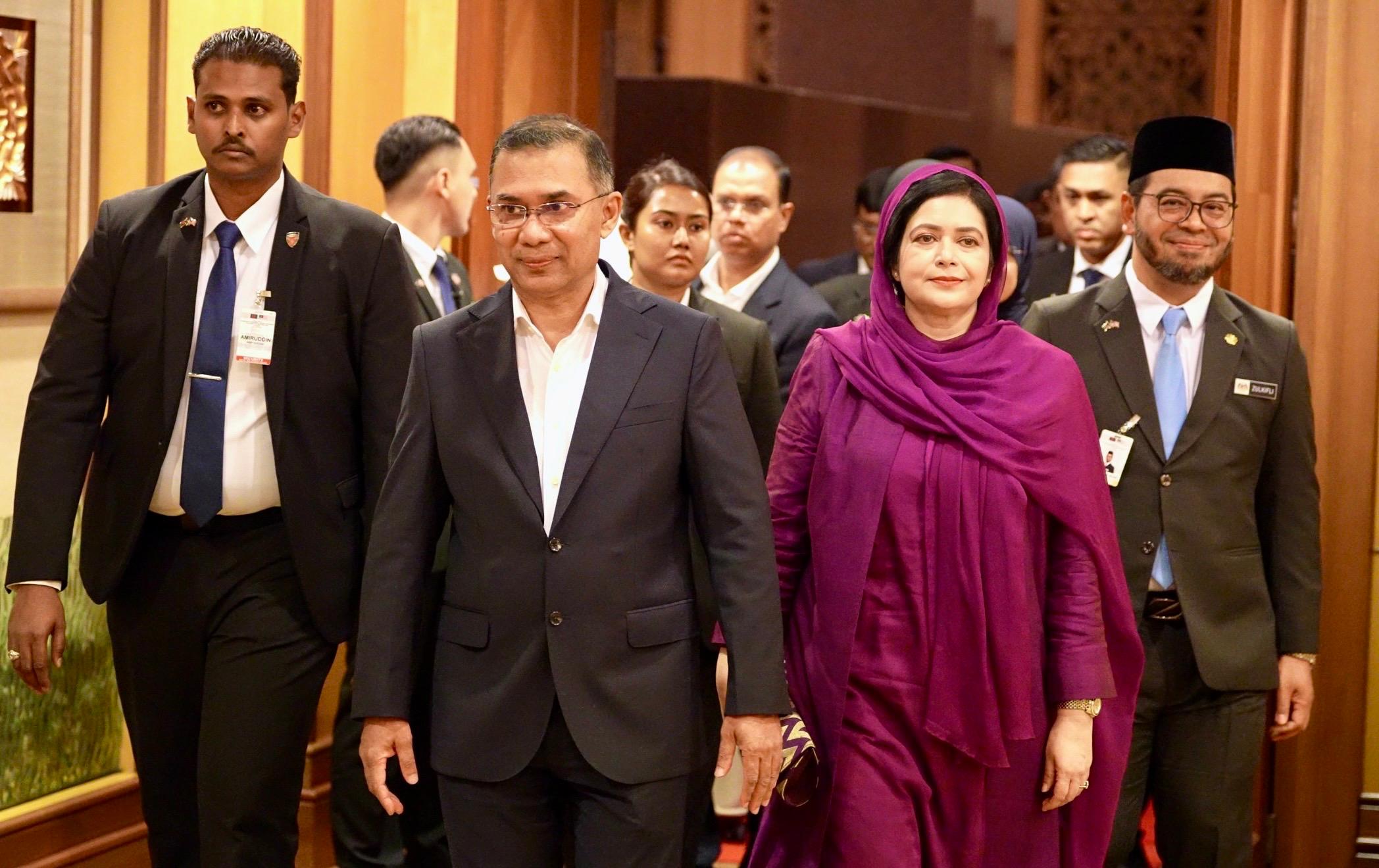
DHAKA, June 21, 2026 (BSS) – Prime Minister Tarique Rahman’s ongoing official visit to Malaysia has been described as a turning point in Bangladesh–Malaysia relations, opening a “new horizon” of cooperation that extends far beyond traditional manpower and trade ties.

The two-day visit, the Prime Minister’s first bilateral foreign tour since taking office, is expected to elevate relations into a comprehensive strategic partnership encompassing trade expansion, investment, energy cooperation, education, and emerging technologies.

The Prime Minister is scheduled to hold a high-level meeting with Malaysian Prime Minister Anwar Ibrahim, followed by delegation-level talks expected to set the direction for long-term economic integration.

Regarding the Prime Minister’s visit, Foreign Secretary Asad Alam Siam told the media on Saturday that a Memorandum of Understanding (MoU) on the Terms of Reference (ToR) for the proposed Free Trade Agreement (FTA) between Bangladesh and Malaysia is expected to be signed.

 Another MoU on cultural cooperation may also be signed.

He said discussions between the two heads of government will focus on expanding cooperation in trade and investment, labour markets, education, agriculture, energy, the halal industry, semiconductors, and other promising sectors.

 Issues such as recruitment of new Bangladeshi workers in various Malaysian sectors, Bangladesh’s membership in ASEAN, and Malaysia’s support for the safe repatriation of Rohingyas will also be raised, he added.

Malaysia is one of Bangladesh’s most important economic partners in Southeast Asia. 

It is a major labour market for Bangladesh and also a key supplier of energy, palm oil, industrial raw materials, and various consumer goods. 

On the other hand, although there is growing potential for exports from Bangladesh in ready-made garments, leather goods, ceramics, pharmaceuticals, and agricultural products, a significant trade imbalance still exists between the two countries.

 According to business leaders, progress in FTA negotiations could help expand the market for Bangladeshi products and reduce the trade deficit.

Talking to BSS, Mohammad Anwar Shahid, President of the Bangladesh–Malaysia Chamber of Commerce and Industry (BMCCI), said that the Prime Minister’s visit as the head of an elected government is highly significant not only diplomatically but also economically. 

He noted that direct talks between the top leadership of both countries would strengthen mutual trust and send a positive signal to investors.

He added that apart from manpower recruitment, there are currently no major unresolved issues between Bangladesh and Malaysia. 

However, he said, because the labour market has long dominated discussions, potential sectors such as trade, investment, energy, agriculture, education, and the halal economy have not received adequate attention.

 He expressed hope that this situation may change through the current visit.

According to Anwar Shahid, the bilateral trade volume is around US$3 billion, but Bangladesh’s share of exports remains relatively low.

 He said that increasing exports of garments alongside agricultural products, processed foods, pharmaceuticals, light engineering goods, and other value-added products could help reduce the trade gap.

He also stressed the importance of developing skilled human resources through joint initiatives by the government and private sector. 

In particular, he said, sending trained workers in technology, engineering, healthcare, and industrial sectors could significantly increase remittance earnings.

Malaysian-based Bangladeshi businessman and former director of BMCCI, Mahbub Alam Shah, believes the visit could provide new momentum to bilateral economic relations. 

He said Malaysian investors are interested in Bangladesh’s manufacturing, power, renewable energy, ICT, and halal industries.

 If decisions taken at the government level are implemented quickly after the visit, this interest could translate into real investment, he added.

He further said that the demand for skilled Bangladeshi workers in Malaysia is steadily increasing. 

Therefore, he said, emphasis should be placed not only on sending general labourers but also trained workers, engineers, IT specialists, and healthcare professionals.

 This would increase remittance inflows and enhance the global acceptance of Bangladesh’s skilled workforce, he added.

He also noted that this is an appropriate time for Bangladesh to expand its participation in the global halal economy. 

“Malaysia has developed one of the world’s strongest halal ecosystems. Strengthening cooperation in technology, quality control, and certification in this sector could open new export opportunities for Bangladeshi food, pharmaceuticals, cosmetics, and other products,” he added.

Business leaders said there is also significant scope for cooperation in education and skills development.

 The number of Bangladeshi students in Malaysian universities is increasing. 

Joint research, technical education, and industry-demand-based skills development programmes could benefit both countries.

According to them, the real success of the visit will depend on post-visit implementation. 

If effective steps are taken to advance FTA discussions, facilitate investment, expand skilled manpower export, enhance energy cooperation, and strengthen partnership in the halal economy, Bangladesh–Malaysia relations could reach new heights, they mentioned.

More than five decades after the establishment of diplomatic relations, business leaders see the visit not merely as a formal state visit but as a key opportunity to further strengthen the foundation of future economic partnership.