Wednesday
22 April, 2026
News Flash
News Flash
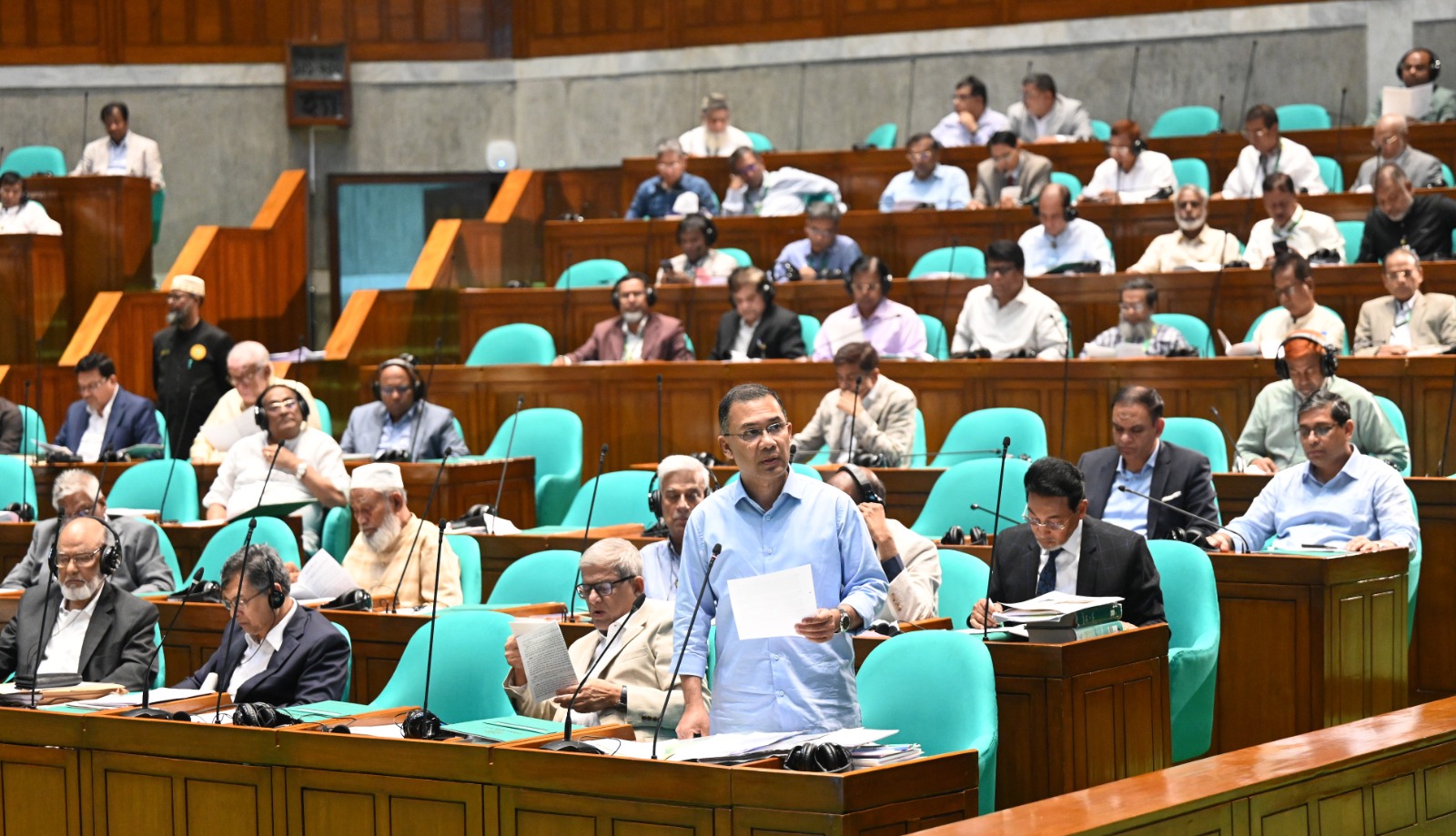
SANGSAD BHABAN, April 22, 2026 (BSS) - Stating that the government has formulated action plans for its first 180 days, fiscal 2026-27 and the next five years, Prime Minister Tarique Rahman today said necessary steps have been taken to implement those plans as per election manifesto.
"The government is working to establish Bangladesh as a dignified state based on equality, justice, and mutual respect," he said.
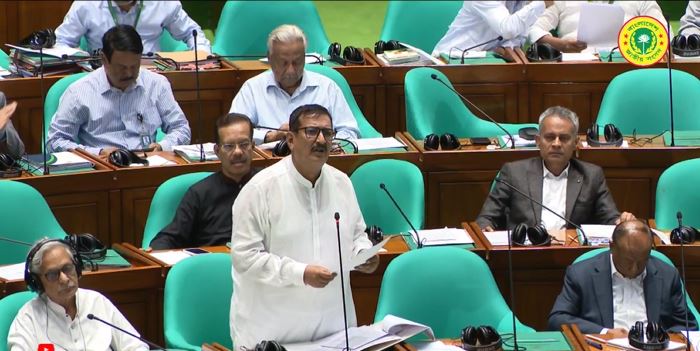
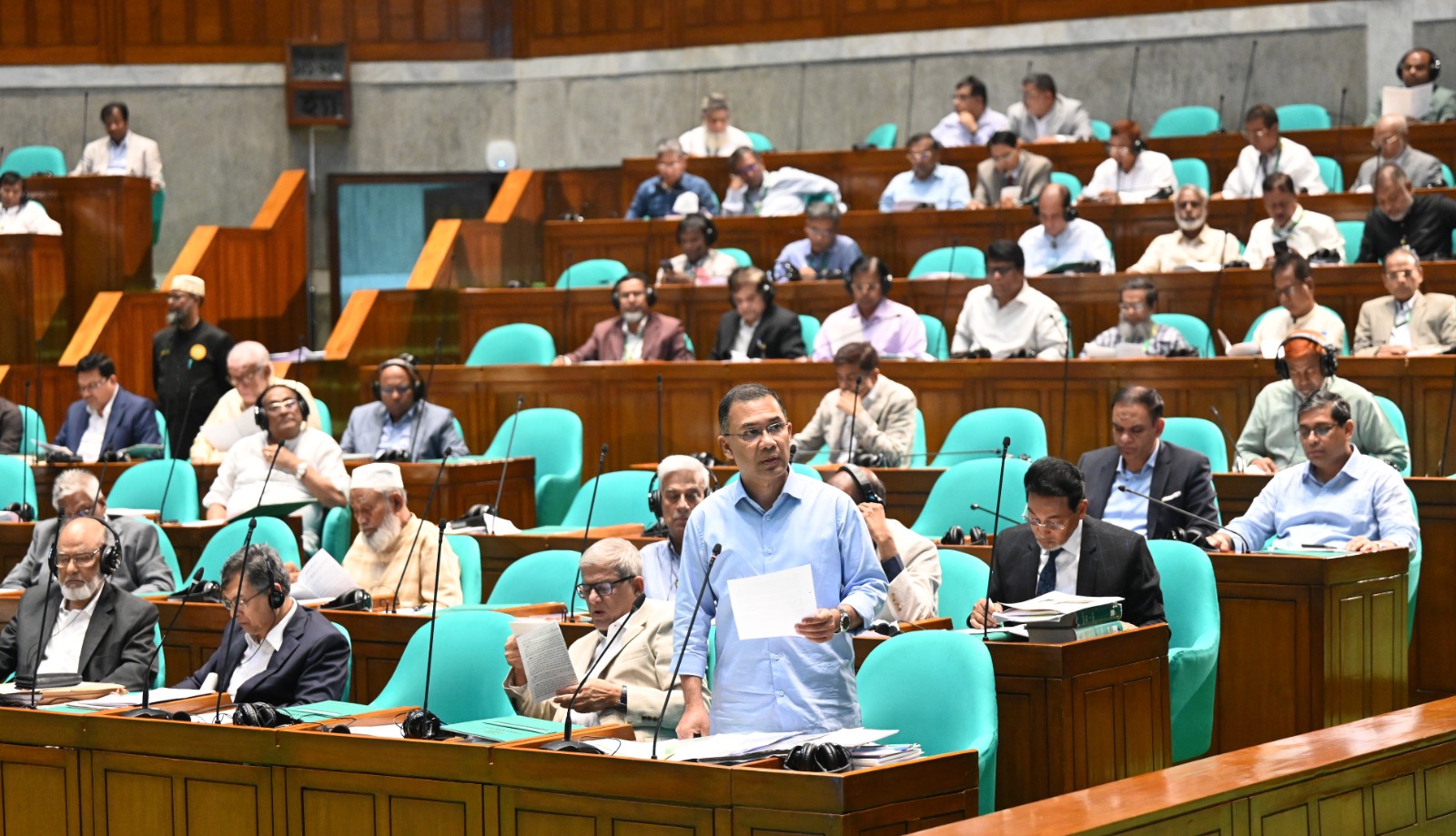
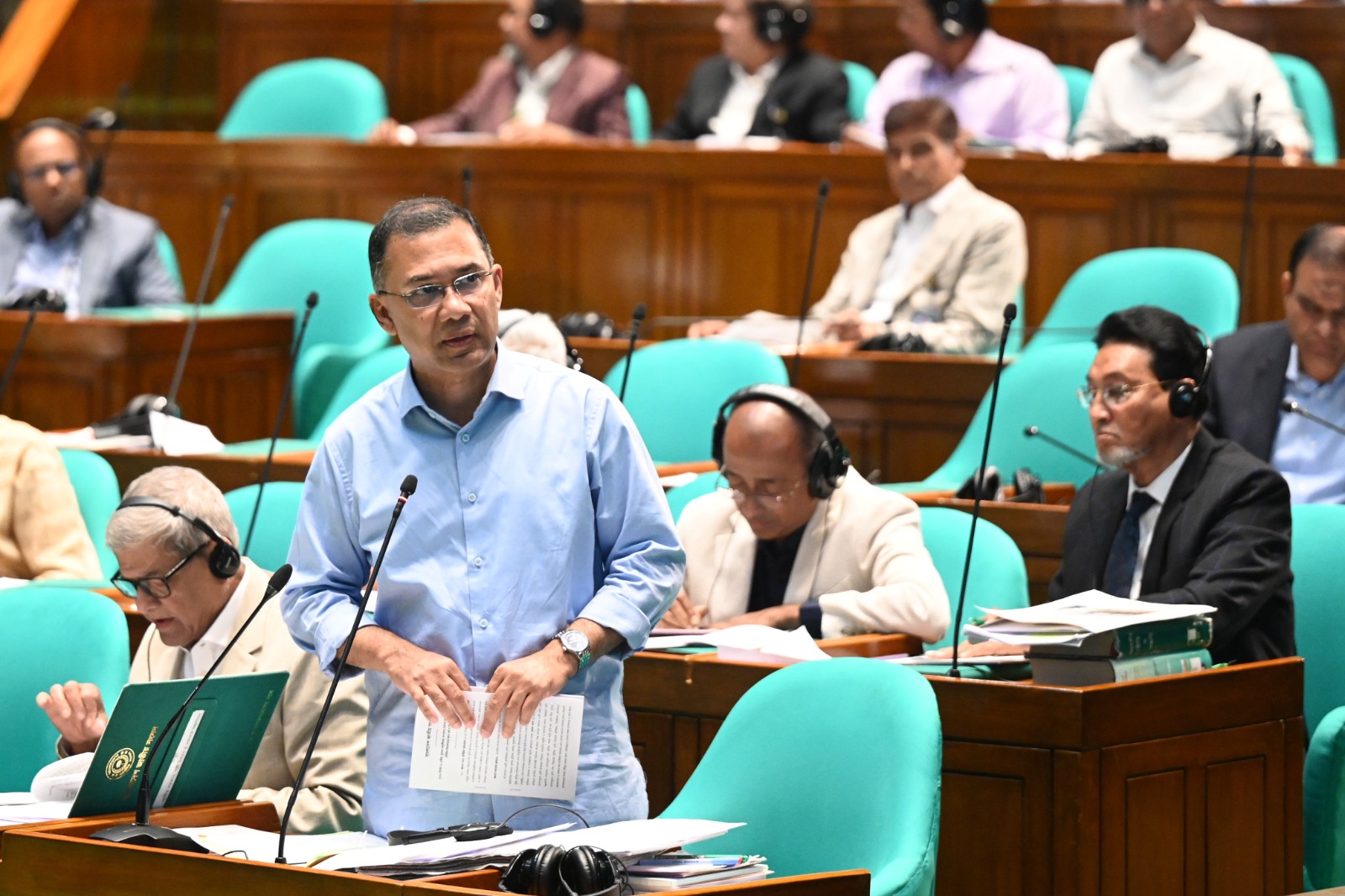
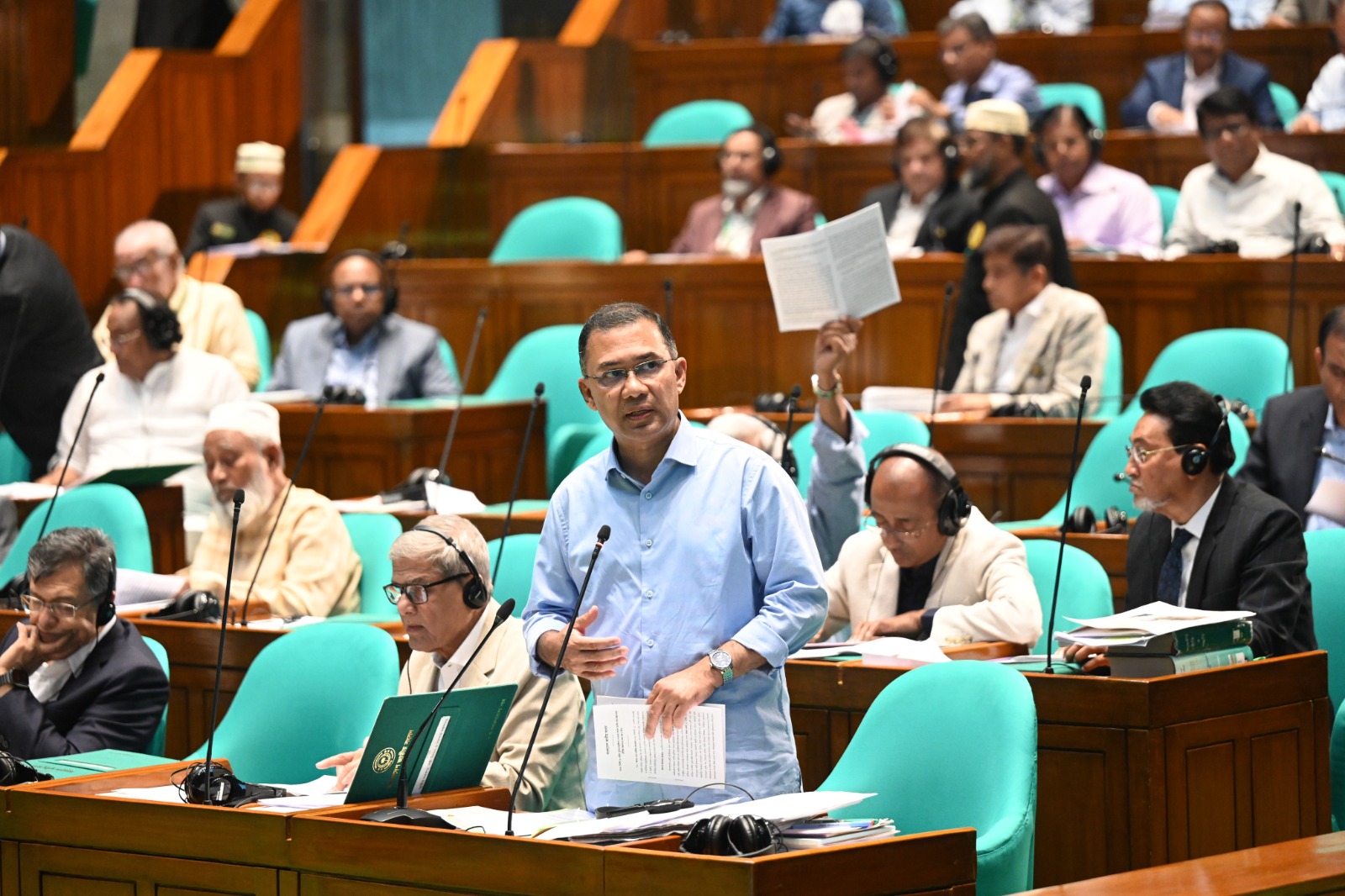
Tarique Rahman, also ruling BNP chairman, said this while responding to a starred question from Cumilla-9 constituency lawmaker Md Abul Kalam in the Jatiya Sangsad (JS) here with Speaker Hafiz Uddin Ahmad, Bir Bikram, in the chair.
The premier said the BNP's election manifesto emphasizes the integrated implementation of democracy, good governance, economic development, and humanitarian values aimed at building a developed, prosperous, and dignified Bangladesh.
It highlights ensuring free and fair elections, administrative transparency and accountability, as well as establishing the rule of law, human rights, and freedom of expression, he said.
The manifesto also sets goals for achieving economic prosperity through anti-corruption measures, increased investment and industrialization, job creation, and human resource development, he added.
Tarique Rahman said special emphasis has been placed on strengthening development in education, health, agriculture, and social protection sectors to build an inclusive and inequality-free society.
Additionally, based on the core principle of the foreign policy "Bangladesh First," initiatives have been undertaken to prioritize the country's independence, sovereignty, national interest, national security, and the welfare of its people, he said.
Mentioning several notable initiatives already undertaken by the government to build a developed, prosperous, and dignified Bangladesh, the prime minister said these include dredging and re-dredging 20,000 kilometers of canals and rivers over five years; providing "Family Card" for marginal and low-income families; "Farmers Card" to support farmers; honorariums and festival allowances for individuals working in mosques, temples, Buddhist monasteries or pagodas, and churches; Sports Card and allowances for athletes; a programme to plant 25 crore saplings over five years; and waiving agricultural loans up to Taka 10,000 with interest.
He said the ongoing initiatives also include designating playgrounds and improving infrastructure in both urban and rural areas nationwide, providing healthcare services through "e-Health Card," recruiting 500,000 government employees, and distributing free school uniforms to 200,000 primary school children during the current fiscal year, among other programs.