Tuesday
25 August, 2026
News Flash
News Flash
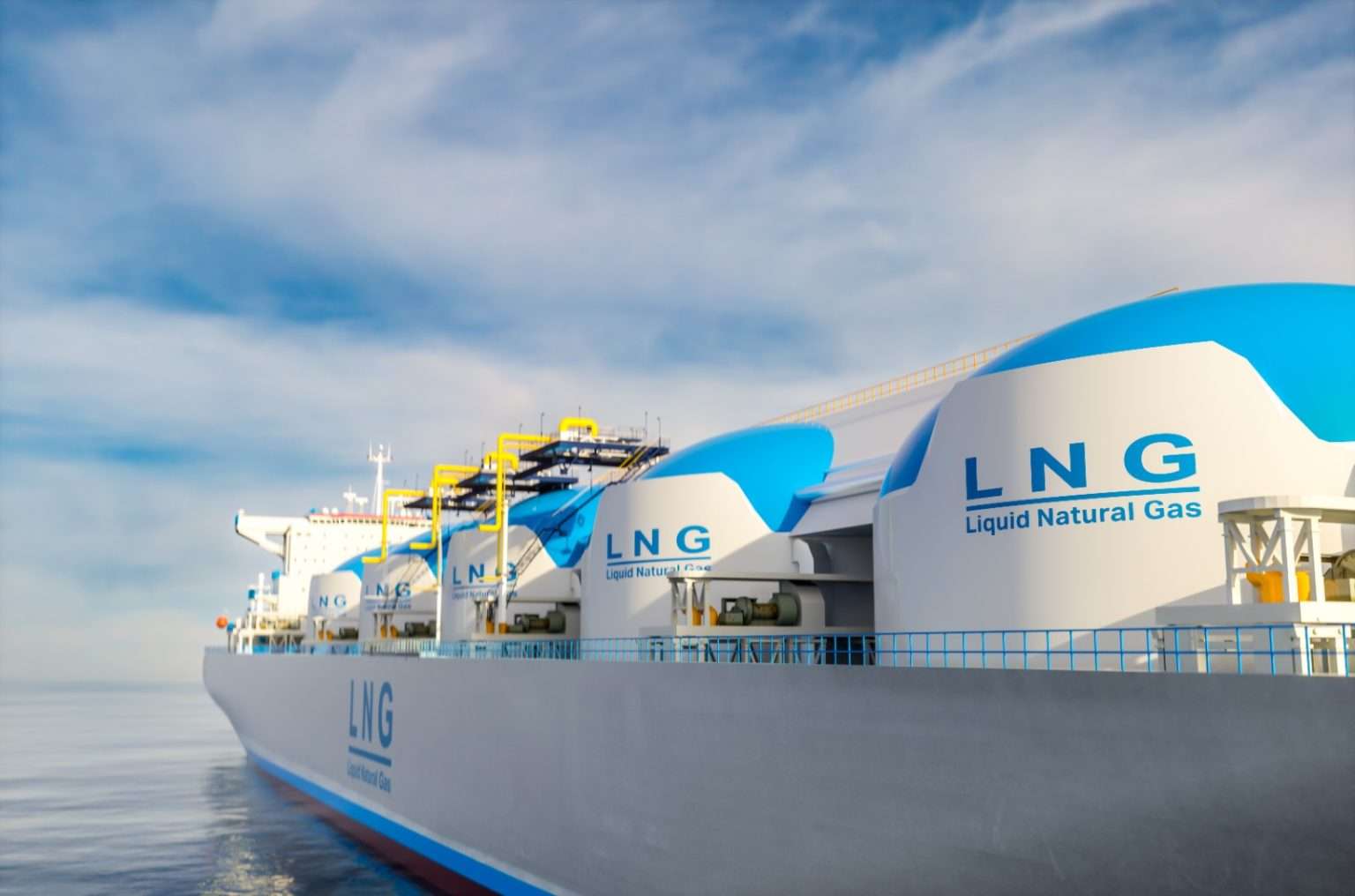
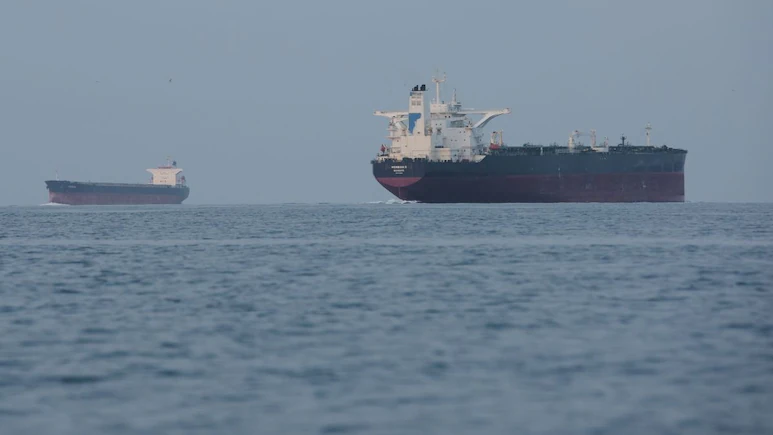
DHAKA, April 16, 2026 (BSS) - The government is set to import an additional 16 cargoes of liquefied natural gas (LNG) over the current and upcoming months, with no existing shortage in LNG supply.
According to relevant sources, the country currently has sufficient fuel reserves. The government has been continuing LNG imports regularly, and preparations are underway to procure LNG from alternative sources, ensuring there is no risk of disruption in gas supply.
Engr. Md. Rafiqul Islam, Director (Operation & Mines), Petrobangla and Director of the board told BSS that a total of nine LNG cargoes are being imported throughout April. Of these, four cargoes have already arrived in the country.
He further stated that, in continuation of this plan, 11 cargoes are scheduled for import in May, in line with the organization’s procurement strategy. So far, seven cargoes have been confirmed, while the process of purchasing the remaining four is ongoing.
Sources from Rupantarita Prakritik Gas Company Limited (RPGCL), a subsidiary of Petrobangla, said that nine LNG cargoes are being imported this month, of which four have already arrived.
These shipments include one cargo each from Australia and the United States, and one from African country Angola. Of the remaining five cargoes, two are expected from Australia, two from the United States, and one from Angola.
The sources also noted that seven cargoes have already been secured for May, including five from the spot market and two under long-term agreements.
Due to limited gas supply from domestic sources, the government has increased LNG imports. Subsidies are being provided to ensure uninterrupted supply and to prevent any potential energy crisis.
Energy experts say that as domestic gas production declines, Bangladesh is becoming increasingly dependent on imported LNG. The rising prices in the global LNG market are increasing energy costs, which is having a broader impact on the economy.
Honorary Professor of Geology Department of Dhaka University energy expert Dr Badrul Imam said that global instability is driving up international market prices, putting economic pressure on import-dependent countries.
“Relief may come if global prices decrease; otherwise, the pressure is likely to persist,” he opined.
Regarding alternative supply sources, he suggested that, alongside the United States and Australia, Bangladesh could consider importing LNG from countries like Indonesia and Malaysia, as they are geographically closer and maintain strong bilateral relations.
He added that there are no significant diplomatic or commercial barriers to importing LNG from Indonesia and Malaysia.
Sourcing LNG from these countries could provide a viable alternative and help meet the country’s growing energy demand more cost-effectively.