Wednesday
26 August, 2026
News Flash
News Flash

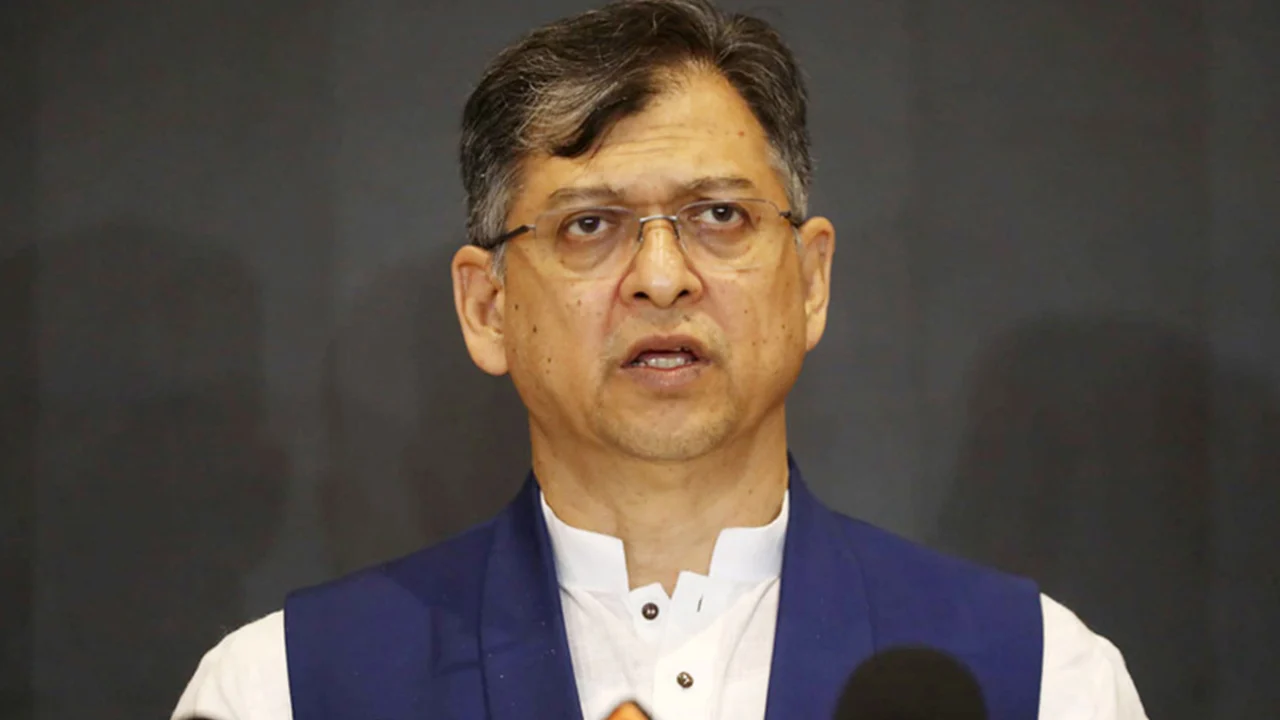
DHAKA, Mar 15, 2026 (BSS) — Dr Rashed Al Mahmud Titumir, Prime Minister's Adviser on the Ministry of Finance and Planning, today identified securing fuel oil funding and implementing urgent structural fiscal reforms as the government’s foremost priorities.
Speaking to reporters following a meeting at the Finance Division, he outlined a comprehensive strategy to maintain economic stability through energy security, transparent social safety nets, and enhanced domestic revenue mobilisation.
Dr Titumir characterised ensuring energy security as a non-negotiable imperative for the nation at this critical juncture.
He affirmed that the government remains prepared to allocate necessary funds at any cost to prevent instability within the energy sector.
To achieve this without compromising the broader economy, the administration is utilising a strategic borrowing framework designed to engage with global lenders and ensure an uninterrupted supply of fuel oil, he added.
To facilitate these energy requirements, he said, the government is actively pursuing low-interest international financing from global partners.
Dr Titumir specifically identified three primary international financial institutions currently being engaged the International Monetary Fund (IMF), the Asian Development Bank (ADB) and the World Bank.
The Adviser clarified that the government’s credit strategy is strictly governed by the pursuit of the lowest possible interest rates and the maintenance of long-term debt sustainability.
The objective is to engage with lenders offering the most favourable terms to support the national exchequer, he added.
As a corollary to international borrowing, he said, the government is focusing on internal expenditure rationalisation.
This involves a disciplined tightening of fiscal outlays and trimming budgets in various other sectors to prioritise the continuous procurement of fuel oil, he added.
Dr Titumir explained that this internal restructuring is essential to ensure that the energy sector remains stable while the government manages its broader financial obligations.
Dr Titumir emphasised a definitive shift toward the depoliticisation of social safety nets, asserting that state assistance must reach the most vulnerable citizens without partisan interference.
Contrasting this eligibility-based approach with previous instances of politisation, the Adviser stated that family cards have not been politised, and political influence will also not be permitted in the issuance of Farmer Cards.
He underscored that only those who are genuinely eligible will receive these cards, marking a clear departure from past administrative processes.
During his assessment of the nation’s fiscal health, Dr Titumir described the current tax-to-GDP ratio as statistically anemic and noted it remains among the lowest globally.
He categorised this deficiency as a structural bottleneck that severely limits the government's capacity to drive large-scale national development.
According to the Adviser, elevating this ratio is a fundamental necessity for the resilience of the national economy and the delivery of essential public services.
He said that the government remains committed to creating the necessary fiscal space for sustainable growth by restructuring its fiscal priorities and building a more robust, transparent economic foundation for long-term national resilience.