Thursday
27 August, 2026
News Flash
News Flash
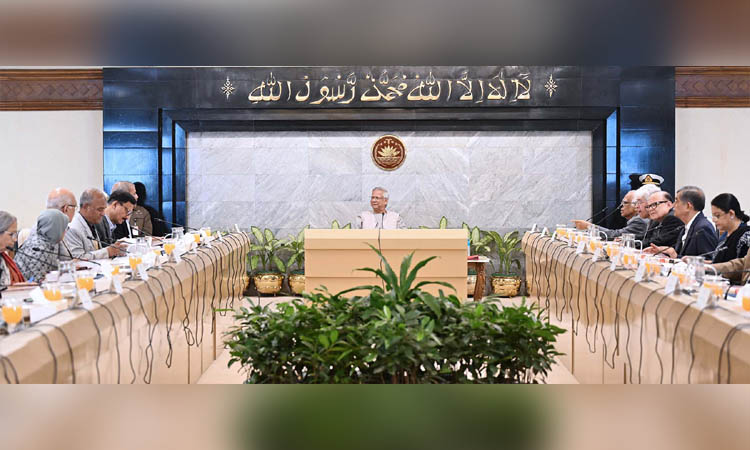
DHAKA, Jan 15, 2026 (BSS) - The government today gave final approval to the draft of the 'July Mass Uprising Protection and Liability Determination Ordinance 2026' granting indemnity to the participants in the 2024 July Uprising.
The Council of Advisers gave the approval at its weekly meeting at the Chief Adviser's Office here with Chief Adviser Professor Muhammad Yunus in the chair.
After the meeting, Later, Law Adviser Professor Dr Asif Nazrul briefed the media at the Foreign Service Academy here this afternoon, saying the government formulated the ordinance as per its earlier commitment to ensure legal protection for the July Uprising participants.
Noting that the ordinance would be promulgated as law through a gazette notification within the next five to seven days, he explained that the core objective of the ordinance is to grant immunity to July mass uprising participants from activities carried out with the purpose of political resistance during the uprising in July and August 2024.
By political resistance, the law adviser said, the ordinance means activities carried out with the objective of restoring democratic governance through the fall of the fascist government.
Participants involved in such activities during July and August in 2024 will be exempted from criminal responsibility, he added.
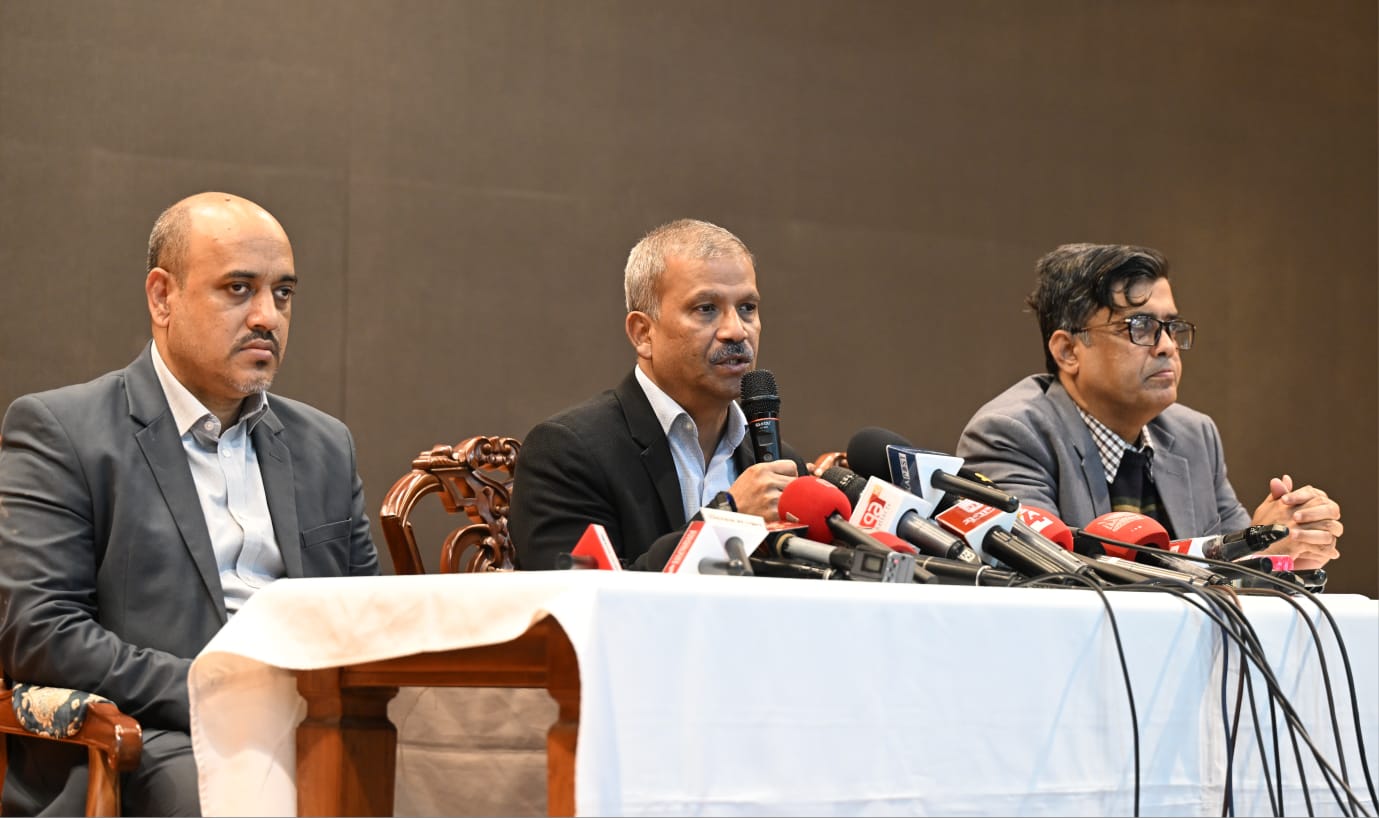
Describing the legal process, Prof Asif Nazrul said that if any criminal cases have already been filed against July Uprising participants due to activities carried out for political resistance during the uprising, the government will take steps to withdraw those cases.
"And from now on, no new cases can be filed against them for actions carried out during July and August as part of organised political resistance," he added.
The law adviser repeatedly emphasised the term "political resistance," clarifying that anyone who committed murder in July or August in the name of political resistance but for personal or narrow interests would not be exempt from criminal liability.
The law was not enacted to provide immunity for killings carried out due to greed, revenge, or personal and narrow interests that have no relation to the objective of overthrowing the fascist government and restoring democracy, he said.
Stating that questions may arise about how to determine whether a killing was linked to political resistance or was motivated by personal and narrow interests, Prof Asif Nazrul said the responsibility for making this determination has been entrusted to the National Human Rights Commission.
"If a victim's family believes that their father, brother, or relative was killed due to someone's personal or narrow interests and that the incident had no connection to the fall of the fascist government, they may approach the Human Rights Commission," he added.
If the Human Rights Commission finds that the killing was indeed committed for personal and narrow interests, it will conduct an investigation and submit a report to the court, the law adviser said, adding, that report will be treated in the same manner as a police investigation report.
But if the Commission determines that the killing occurred in the course of organised political resistance, no criminal liability will apply for that act, he said, adding immunity will be granted in such cases.
However, if the Human Rights Commission finds that a killing occurred as part of political resistance, it may still recommend financial compensation for the victim's family as per the ordinance if it considers such compensation appropriate.
About the duration over granting indemnity for the activities carried out throughout the July and August in 2024, Prof Asif Nazrul recalled that after the Liberation War, extending indemnity until February 29, 1972 though the war ended with victory on December 16 in 1971.
"But we didn't extend that far. Considering the definitions in various declarations, including the July Charter, the timeframe has been set from 1 July to 31 August," he said and noted such instances of granting indemnity for revolutionaries across the world.
About the formation of the Human Rights Commission, Prof Asif Nazrul said the commission would be formed by January 31, noting that the selection committee has already held its first meeting.
He expressed confidence that Bangladesh will soon have the strongest, most powerful, and most effective Human Rights Commission in its history.
Chief Adviser's Press Secretary Shafiqul Alam and Deputy Press Secretary Mohammad Abul Kalam Azad Majumder were present at the briefing.