Monday
24 August, 2026
News Flash
News Flash
SANGSAD BHABAN, June 11, 2026 (BSS) - The government has continued and
expanded a range of food assistance programmes aimed at reducing poverty and
protecting low-income people from the impact of inflation, Finance Minister
Amir Khosru Mahmud Chowdhury said today.
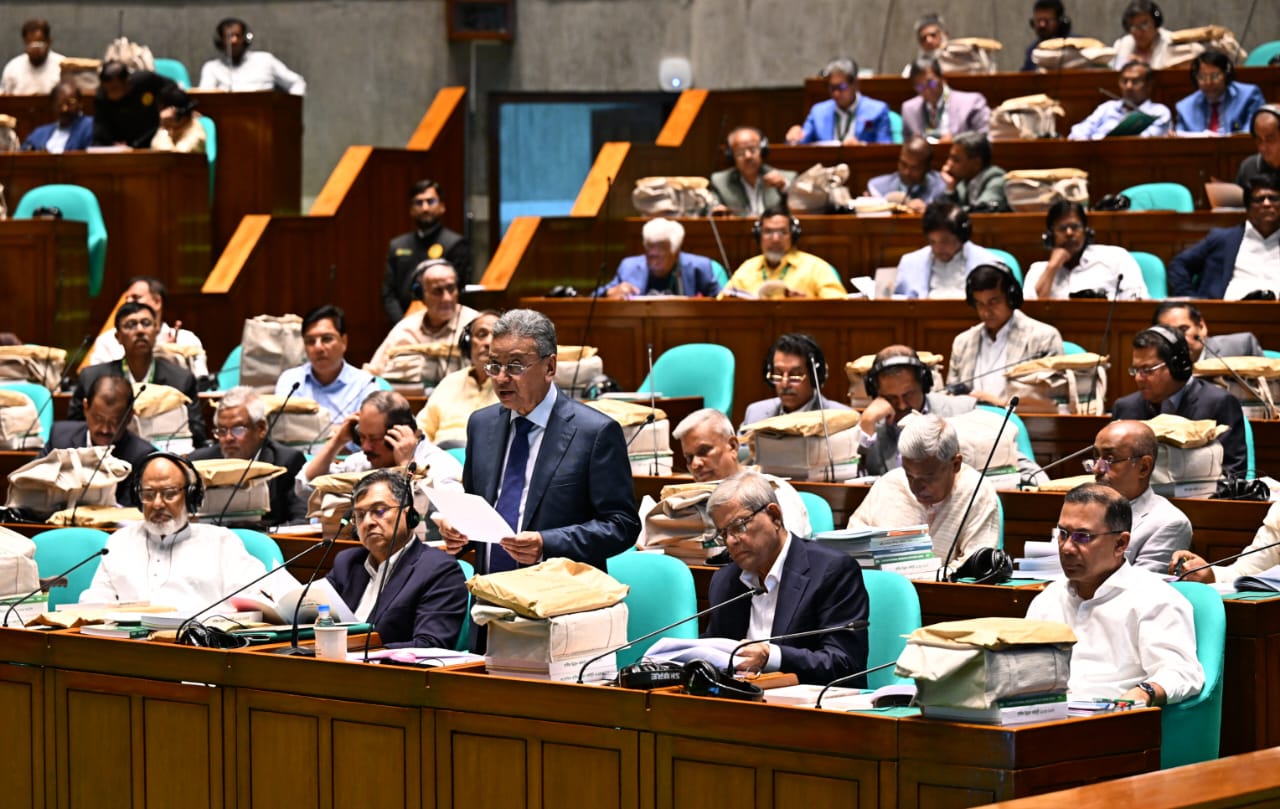
Presenting the national budget for fiscal year 2026-27 in the Jatiya Sangsad,
the finance minister said 5.5 million beneficiaries are currently receiving
30 kilograms of rice per month at a subsidised price of Tk. 15 per kilogram
for six months during the lean season under the Food-Friendly Programme.
He said the initiative is playing a vital role in ensuring food security for
vulnerable households and helping them cope with rising living costs.
To maintain stability in the rice market, Khosru said the government has
expanded Open Market Sale (OMS) operations by launching additional activities
in 419 upazilas across the country.
Under the OMS programme, rice is being sold daily at a subsidised price of
Tk. 30 per kilogram, providing consumers with access to affordable food
grains while helping to curb market volatility.
The minister also noted that the supply of rice and flour at subsidised
prices has been continued through more than 1,000 sales centres nationwide to
improve food access for low-income groups.
Highlighting efforts to enhance transparency and efficiency in food
distribution, he said work is underway to develop a digital database for
preparing a verified list of beneficiaries under the Food-Friendly Programme.
In addition, pilot activities have been launched to distribute food grains
through the "Food-Friendly Distribution" mobile application, which is
expected to streamline beneficiary management and strengthen service
delivery.
The finance minister further informed the House that an online monitoring
system has been introduced to track food grain market prices and support
timely policy interventions when necessary.
The measures form part of the government's broader strategy to strengthen
food security, improve transparency in social protection programmes and
shield vulnerable populations from the adverse effects of inflation.