News Flash

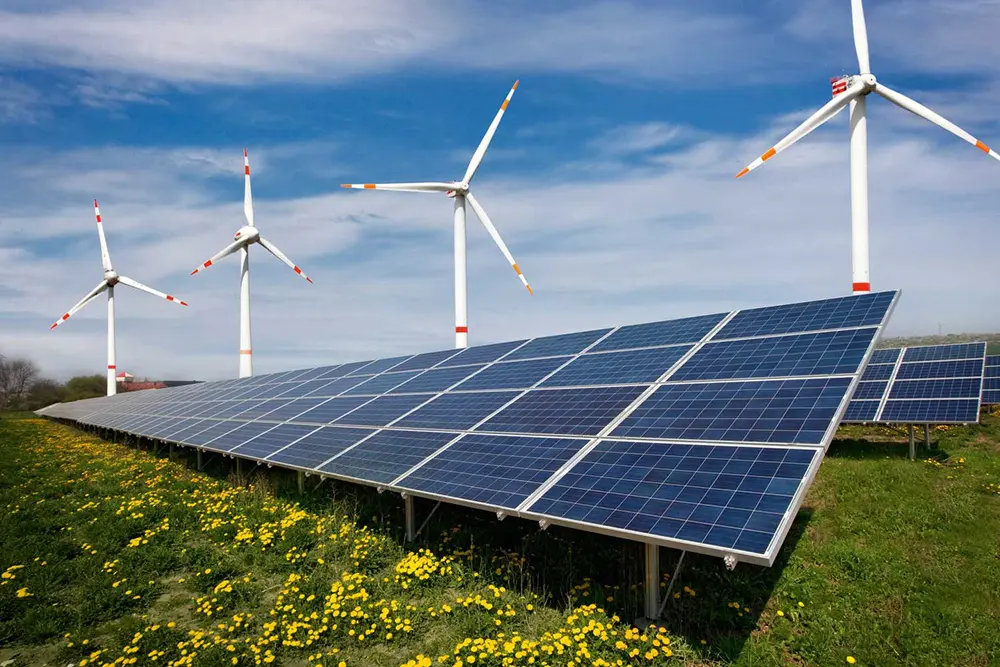
SANGSAD BHABAN, June 11, 2026 (BSS) – The government has announced a plan to expand renewable energy generation and reduce dependence on imported fuels, setting a target of meeting 20 percent of the country's total electricity demand from renewable sources by 2030.
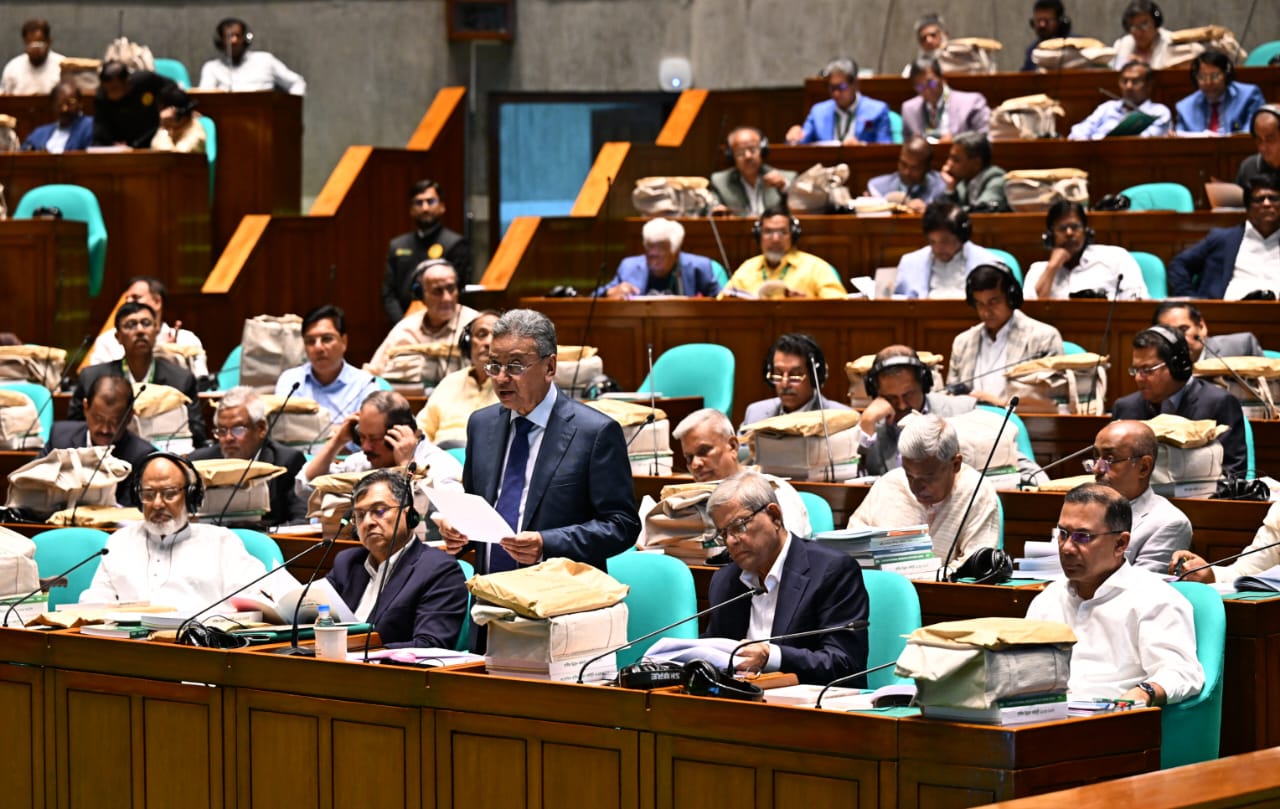
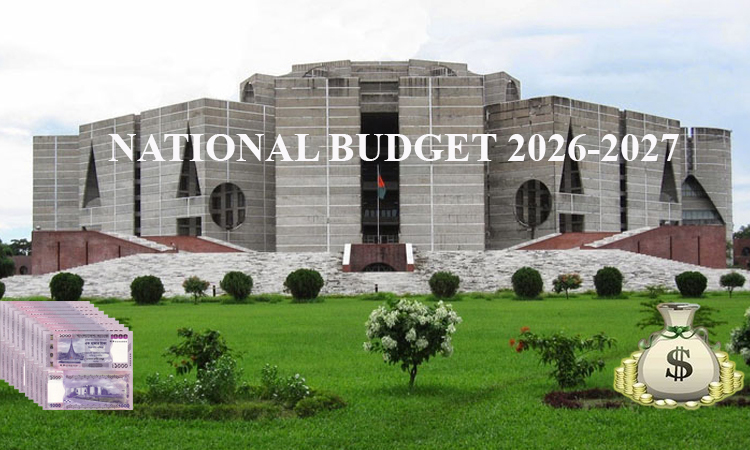
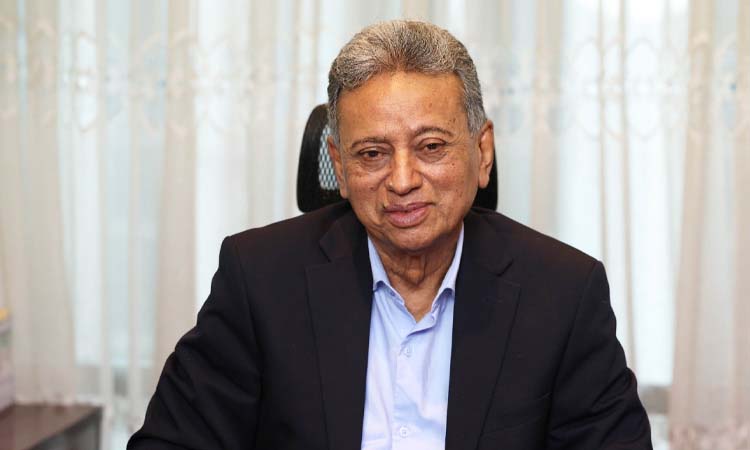
Finance Minister Amir Khosru Mahmud Chowdhury unveiled the plan while presenting the national budget for fiscal year 2026-27 in the Jatiya Sangsad today.
He said more than 40 percent of the country's electricity generation capacity is currently gas-based, but declining domestic gas reserves and growing reliance on imported liquefied natural gas (LNG) have significantly increased the cost of power generation.
Against this backdrop, the government intends to reduce dependence on imported fuels by expanding the use of renewable energy and maximizing the utilization of indigenous energy resources.
To encourage investment in the sector, the minister said investors would receive support and incentives for the domestic manufacture of renewable energy equipment, including solar panels, wind power components and battery storage systems.
"The government has set a target of generating 20 percent of total electricity demand from renewable energy sources by 2030," Khosru told the House.
He added that the country plans to further increase the share of renewable energy to between 30 percent and 50 percent of total electricity generation by 2050.
To achieve these goals, the government has undertaken a series of initiatives, including strengthening rooftop solar programmes, conducting wind resource assessments in coastal and adjoining areas, and implementing large-scale utility-scale solar power projects.
The minister also highlighted plans to explore alternative energy sources through surveys and pilot projects for waste-to-energy generation, alongside the formulation and implementation of a National Energy Storage Roadmap to support the integration of renewable energy into the power system.
Efforts will also be made to improve grid flexibility to accommodate a growing share of renewable power generation, he said.
In addition, energy audit activities will be strengthened to promote the use of energy-efficient equipment and encourage efficient energy consumption among designated industrial consumers.
The proposed measures form part of the government's broader strategy to ensure energy security, contain electricity generation costs, reduce carbon emissions and accelerate Bangladesh's transition towards a sustainable and resilient energy future.