News Flash

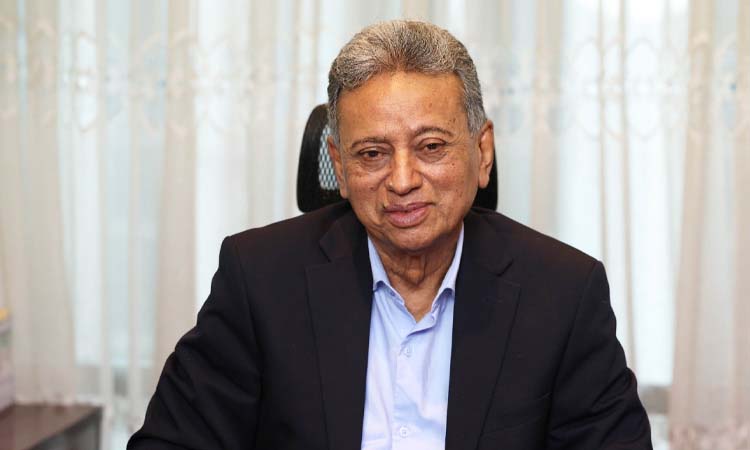
SANGSAD BHABAN, June 11, 2026 (BSS) - Finance Minister Amir Khosru Mahmud Chowdhury today said that the government is working to increase electricity generation capacity to 35,000 MW by 2030 and ensure energy security by intensifying oil and gas exploration activities.
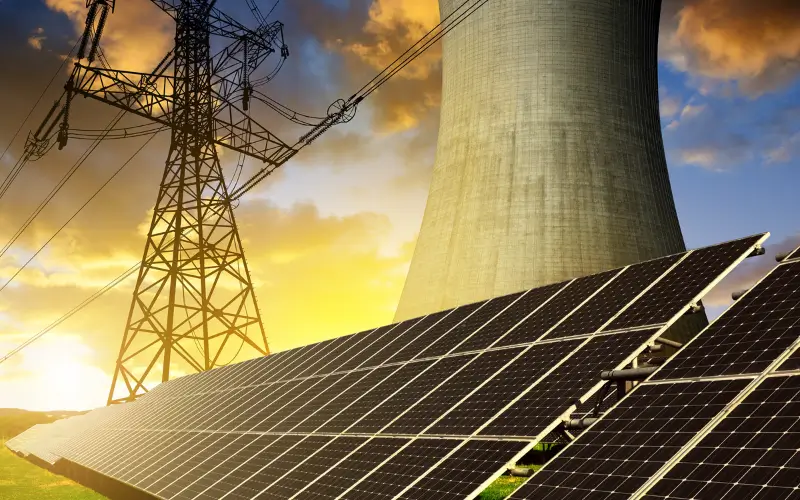
“To meet the growing demand for electricity and ensure quality supply, the government is working to increase electricity generation capacity to 35,000 MW by 2030 and expand transmission lines to 25,000 circuit kilometres,” he said.
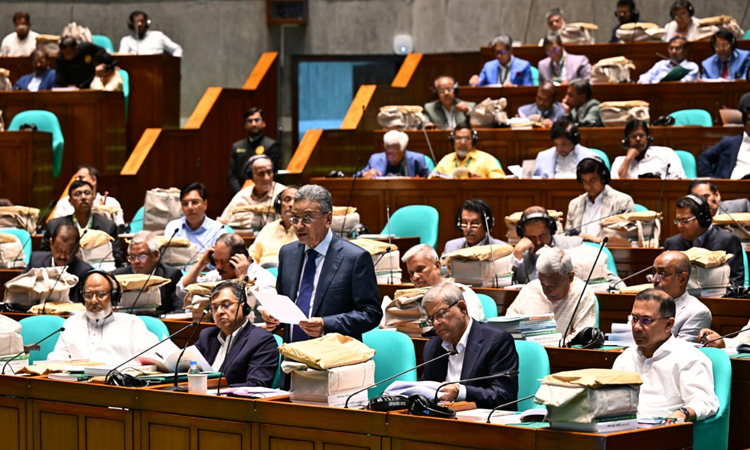
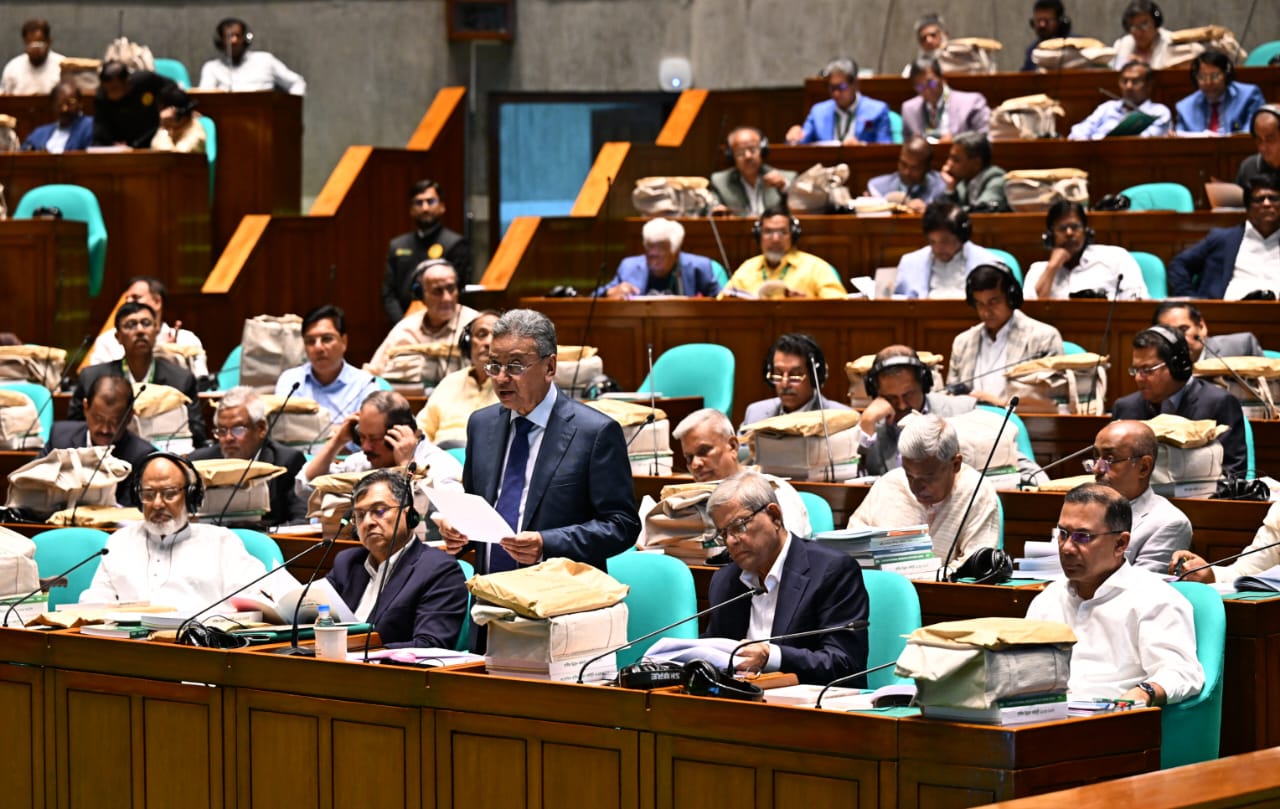
While placing a Tk 9.38 lakh crore national budget for the fiscal year (FY) 2026-27 in the Jatiya Sangsad (JS) this afternoon, Chowdhury said the government has undertaken a range of initiatives to strengthen energy security by intensifying oil and gas exploration activities, increasing domestic production, expanding petroleum refining capacity and diversifying import sources.
“Overall, our government is committed to establishing a self-reliant, affordable, uninterrupted, environmentally sustainable and modern electricity system,” the minister said.
He said following the assumption of office, the present government has accorded the highest priority to the development of the power sector and initiated steps to formulate and implement short-, medium- and long-term plans for electricity generation, transmission and distribution.
In his budget speech, Chowdhury said investors will be provided with support and incentives for the domestic manufacture of renewable energy equipment, including solar panels, wind power components and battery systems.
“We have undertaken initiatives to retire inefficient power plants, modernise them where necessary, and adopt a least-cost generation strategy,” he added.
The minister informed that the government has taken steps to ensure financial transparency and accountability through a review of capacity charges and power purchase agreements.
He said special initiatives have been undertaken to expand electrification in remote and island areas, and measures have been adopted to establish power plants through competitive bidding processes to maintain electricity tariffs at a reasonable level.
Mentioning that domestic gas reserves are declining, Chowdhury said the share of renewable energy would have to be increased to reduce dependence on imported fuels.
“To achieve these targets, initiatives have been undertaken to strengthen rooftop solar programmes and conduct wind power assessments in coastal and adjacent areas,” he said.
The minister, however, said that large-scale utility solar projects would have to be implemented, along with surveys and pilot projects for waste-to-energy generation, formulation and implementation of a ‘National Energy Storage Roadmap’, and improvements in grid flexibility.
“Energy audit activities will also be strengthened to ensure the use of energy-efficient equipment and promote efficient energy consumption among designated consumer industries,” he said.
In addition, construction of the 2,400 MW Rooppur Nuclear Power Plant is progressing rapidly. Fuel rods have already been loaded into one reactor, and approximately 300 MW is expected to be connected to the national grid by August 2026, followed by 1,200 MW by January 2027.