Sunday
23 August, 2026
News Flash
News Flash
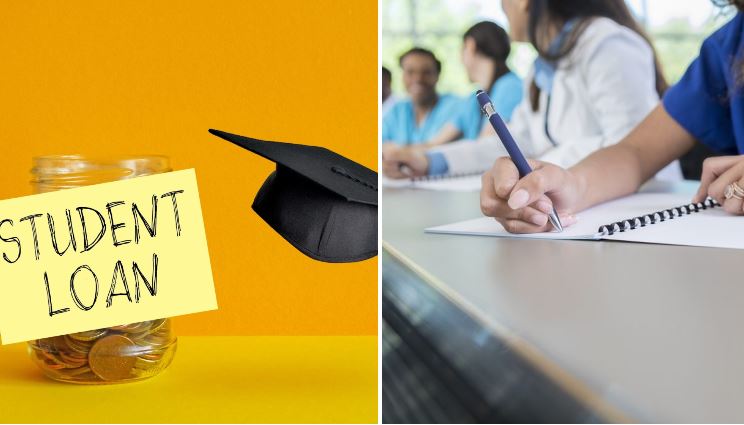
SANGSAD BHABAN, June 11, 2026 (BSS) – Finance Minister Amir Khosru Mahmud Chowdhury today said the government will introduce student loan and bank loan facilities to make medical and dental education more inclusive and accessible, alongside a special financing scheme for talented students pursuing higher studies abroad.
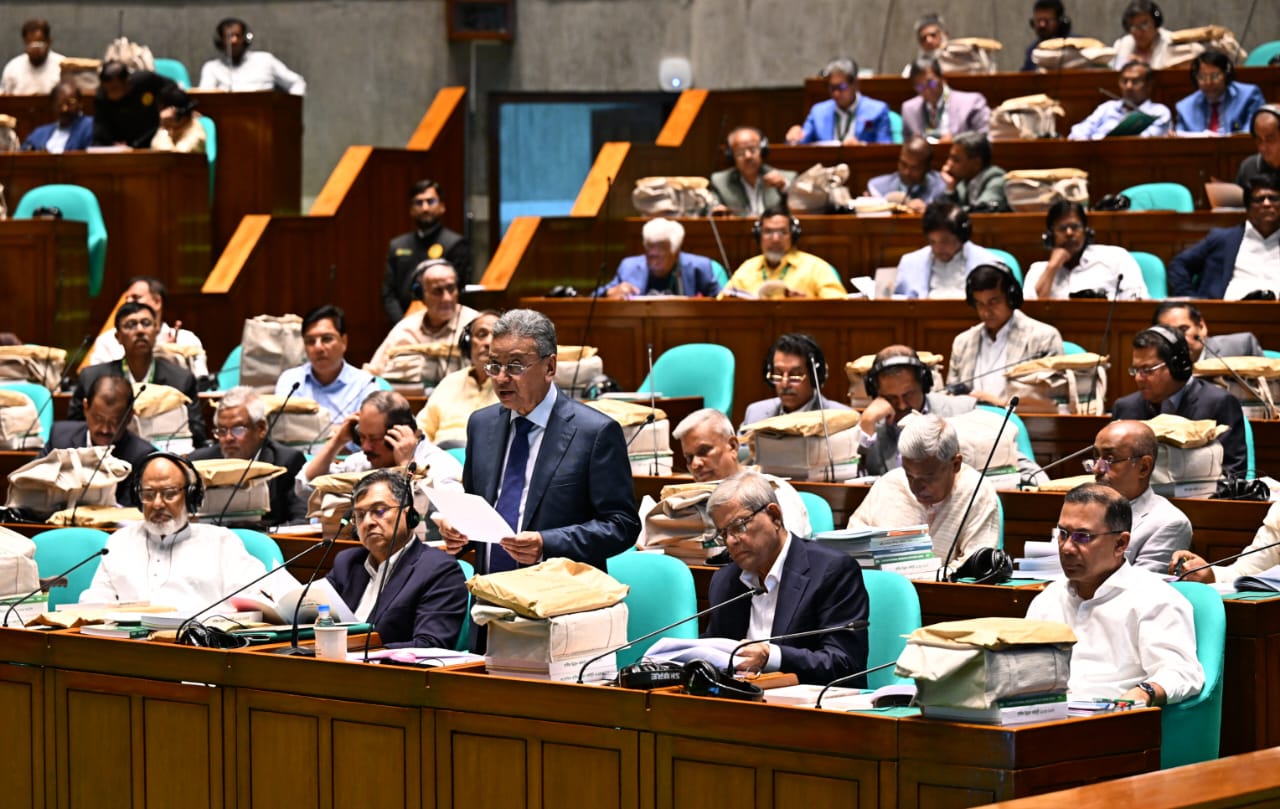
While placing the national budget for the financial year 2026–27 in the parliament, which proposed a total outlay of Tk 9.38 lakh crore, the Finance Minister said the initiative is aimed at ensuring that financial constraints do not hinder the academic and professional advancement of meritorious students.
“To make medical and dental education more inclusive and accessible, student loan and bank loan facilities will be introduced. Plans are also being drawn up to launch a special bank loan programme for talented students travelling abroad for higher studies, so that financial constraints do not stand in the way of any bright student's advancement,” he said.
The proposed measures are part of a broader set of reforms in the health education sector, including modernization of medical colleges and improvement of academic infrastructure.
Highlighting the broader budget context, the finance minister said the government has allocated Tk 69,409 crore for the health sector in FY2026-27, nearly double the revised allocation of Tk 35,477 crore in the previous fiscal year.
He said a comprehensive reform and infrastructure development programme will be undertaken to transform all government medical colleges into modern, quality-assured and education-friendly institutions.
Amir Khosru said the programme will focus on upgrading academic buildings, dormitories, laboratories, libraries, hospital facilities and training infrastructure, particularly in older medical colleges, to ensure a safe and improved learning environment for students and trainee physicians.
The Finance Minister also said that the government aims to strengthen the quality of medical education and align it with modern standards through curriculum reform and training improvements, alongside expanding opportunities for both domestic and international study through financial support mechanisms.