News Flash

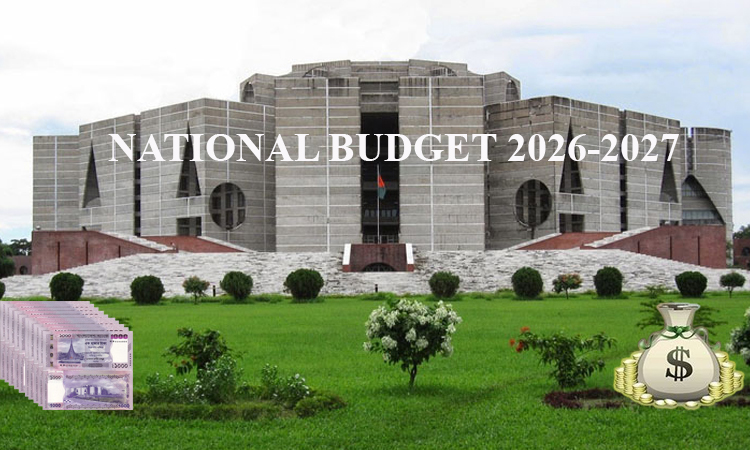
SANGSAD BHSABAN, June 11, 2026 (BSS) – The government has projected a budget deficit of Tk 2.43 lakh crore in the next fiscal year (FY27).
“We will have a deficit of Tk 2 lakh 43 thousand crore, which is equivalent to 3.6 percent of GDP. Although a significant increase in investment has been proposed in both the social and infrastructure sectors, the budget deficit ratio has been maintained at the same level as in the previous fiscal year,” he said.
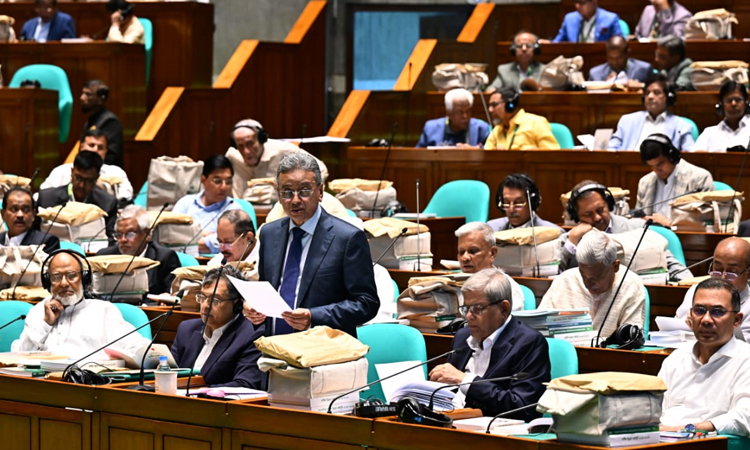
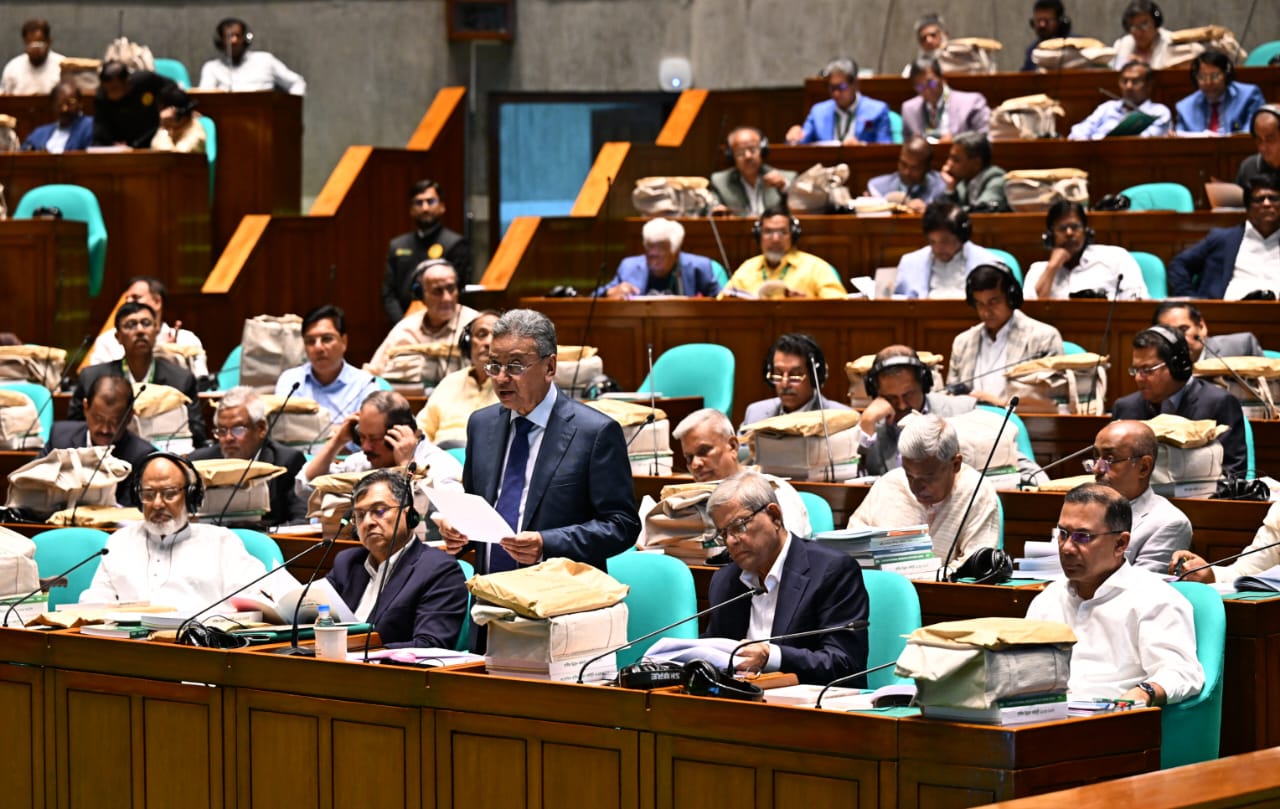
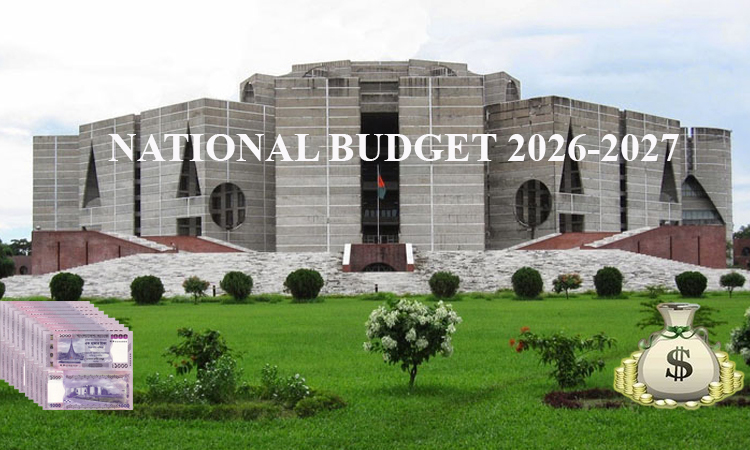
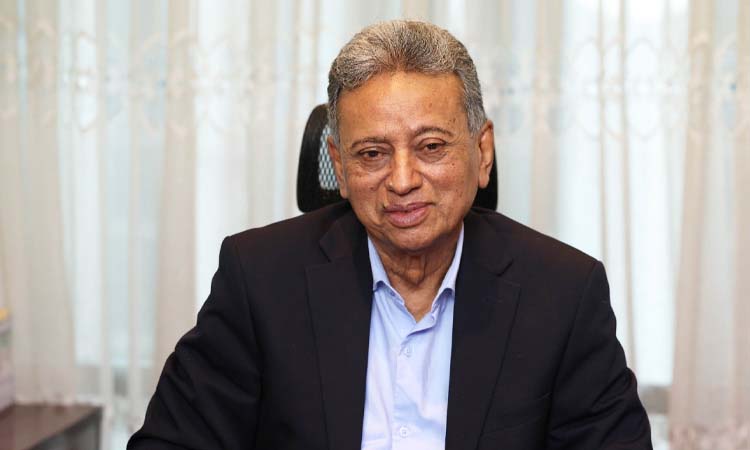
Finance Minister Amir Khosru Mahmud Chowdhury said this while placing the proposed budget for FY27 in the Jatiya Sangsad today.
He said the funds for these increased allocations will be mobilized by achieving revenue targets through necessary reforms in the revenue sector.
Over the past few years, the Finance Minister said significant depreciation of the Taka against foreign currencies has increased expenditure on the repayment of both principal and interest on foreign loans.
“Out of the total deficit in the proposed budget, I propose to finance Tk 1 lakh 27 thousand crore from domestic sources and Tk 1 lakh 16 thousand crore from external sources. Of the domestic borrowing, Tk 112,000 crore will be sourced from the banking system.
In the current fiscal year 2025–26, it was Tk 118,000 crore. That is, we have proposed to reduce borrowing from the banking system by Tk 6,000 crore in the upcoming fiscal year,” said the minister.
Due to excessive borrowing during the fascist regime, Khosru said the country’s debt servicing and interest payment costs have risen substantially. As a result, the budget deficit in the proposed Budget has also increased. In FY 2005-06, the budget deficit was 2.9 percent of GDP. By contrast, in FY 2023-24, this deficit climbed to 4.05 percent of GDP.
“Alongside addressing these inherited fiscal pressures, we are working to restore discipline and stability in the economy. We are adopting effective measures to boost domestic revenue collection, reforming debt management, channelling public investment into high return sectors, and modernizing the project implementation framework,” he added.
As a result of these measures, he said the government’s revenue collection will be enhanced, the quality of investment will be ensured, and the flow of money in the economy will be increased, through the multiplier effect, economic activities will become more dynamic and revenue income will be increased more in future, which will gradually contribute to reducing the budget deficit.