News Flash

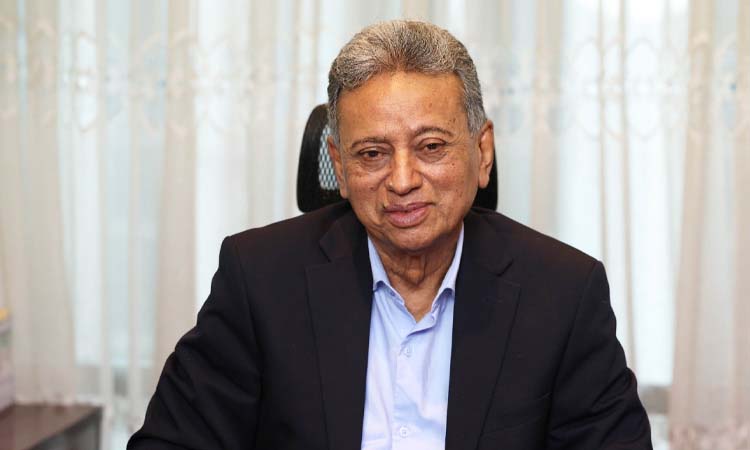
SANGSAD BHABAN, June 11, 2026 (BSS) – Finance Minister Amir Khosru Mahmud Chowdhury today announced a comprehensive set of reforms aimed at transforming the country's capital market into a stronger platform for long-term financing, infrastructure development and investment mobilization.
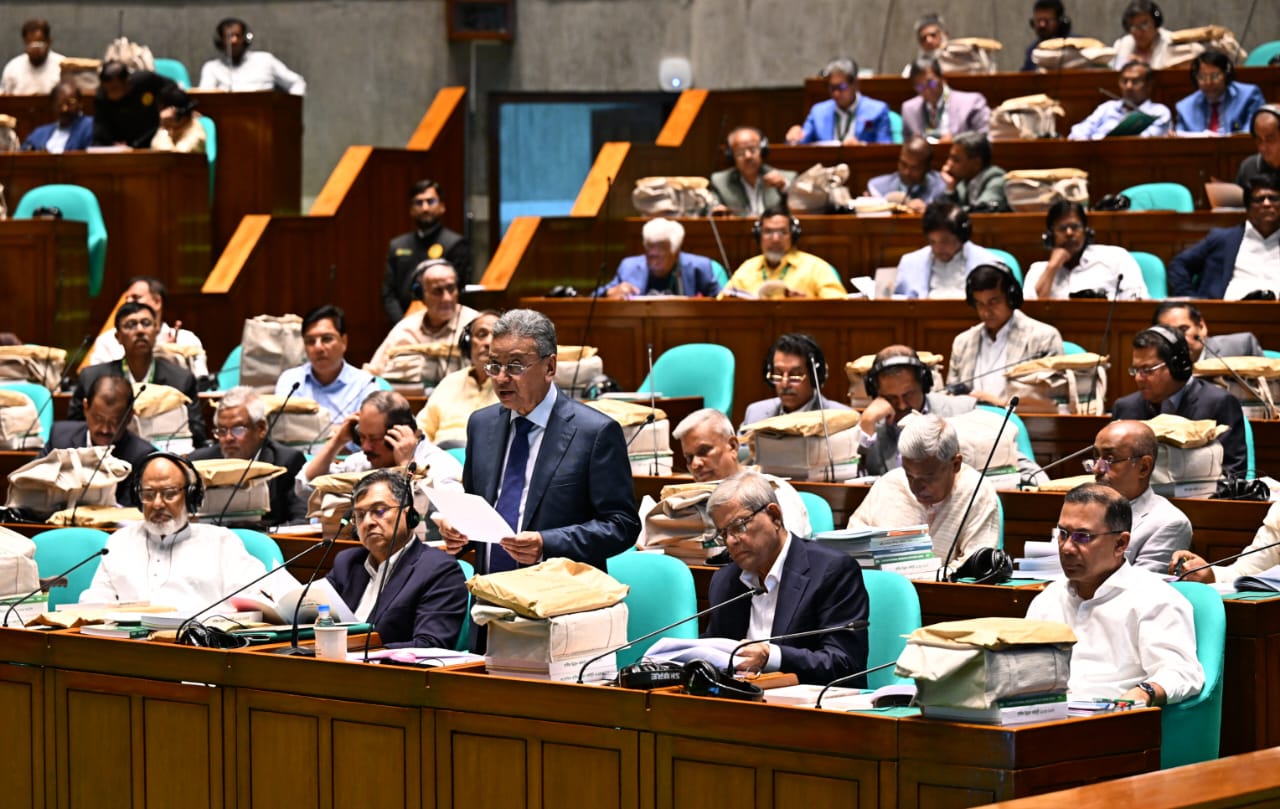
Placing the proposed national budget of Tk 9.38 lakh crore for FY2026-27 in the Jatiya Sangsad, the finance minister said a robust capital market is essential for providing long-term financing to industry, infrastructure, urban development, technology-driven initiatives and emerging businesses.
He said excessive dependence on bank loans increases pressure on the financial sector and therefore the government will work to make the capital market deeper, more diversified, transparent and investor-friendly.
The finance minister said the government is reviewing the reasons why many sound and promising companies remain reluctant to list on the stock market.
To encourage greater participation, unnecessary complexities, delays, excessive costs and regulatory uncertainties in the listing process will be reduced gradually while maintaining investor protection.
He announced that the Initial Public Offering (IPO) process will be simplified, time-bound and fully technology-enabled. Submission of applications, supporting documents, due diligence, fee payments and approvals will be conducted online through an integrated digital platform linking issuing companies, issue managers, stock exchanges, CDBL and regulators.
He said that the government will also examine the possibility of introducing direct listing facilities for eligible and mature companies.
To enhance market stability, participation of pension funds, insurance companies, asset management companies, mutual funds and other long-term institutional investors will be expanded, he added.
He said that measures will also be taken to strengthen professional fund management and increase the size and number of mutual funds.
The minister said the corporate bond market would be expanded and municipal bonds introduced to finance local government and urban infrastructure projects.
“Greater use of bonds, Sukuk, infrastructure funds and other financing instruments will help reduce dependence on traditional bank borrowing,” he added.
As part of efforts to diversify financial products, he said that the government plans to make the country's first commodity exchange operational by activating existing licences, formulating necessary regulations, strengthening technological capacity and securing international expertise.
He said the usability of Real Estate Investment Trusts (REITs), Exchange Traded Funds (ETFs), index hedging and currency hedging instruments will also be reviewed.
The finance minister said the government would examine opportunities for dual listing of domestic companies on regional stock exchanges and assess the feasibility of listing selected state-owned enterprises.
The process of opening and operating Non-Resident Investor Taka Accounts (NITA) will also be simplified to facilitate participation by expatriate Bangladeshis and foreign investors, he added.
To strengthen investor confidence, he said, the quality of corporate disclosures, financial reporting, audits, share valuation, credit ratings, IPO management and research reports will be improved.
Responsibilities and liabilities of auditors, valuers, issue managers, merchant bankers, research analysts and other market intermediaries will be clearly defined, he noted.
The minister further said the settlement cycle for share transactions would be shortened gradually. Following the current T+2 settlement system, the government plans to move toward T+1 settlement and eventually prepare for T+0 or same-day settlement after ensuring adequate technological and risk management capabilities.
He also disclosed that a specialised dispute resolution mechanism for capital market-related disputes is under review. The government may consider establishing a special tribunal or fast-track court with enforcement powers to resolve market disputes swiftly and strengthen investor protection.
The finance minister expressed optimism that the planned reforms would transform the capital market from a platform primarily focused on share trading into a key source of long-term capital, productive investment, infrastructure financing and domestic and foreign investment attraction.