Tuesday
08 September, 2026
News Flash
News Flash
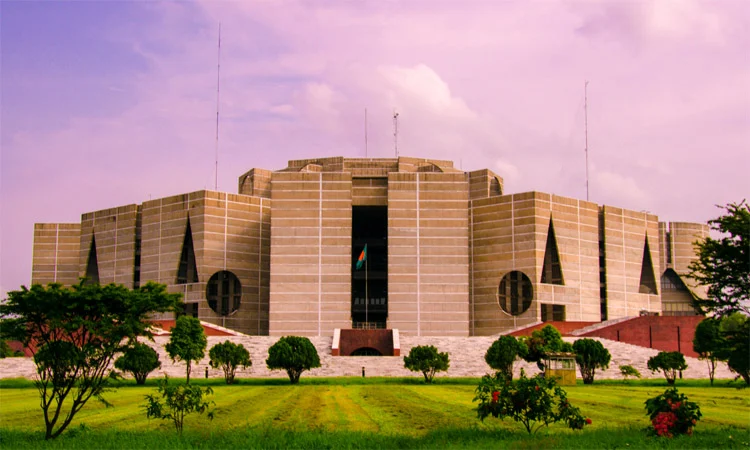
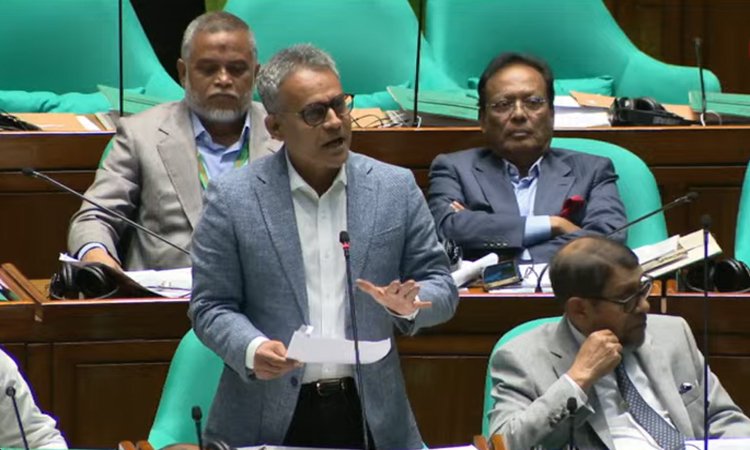
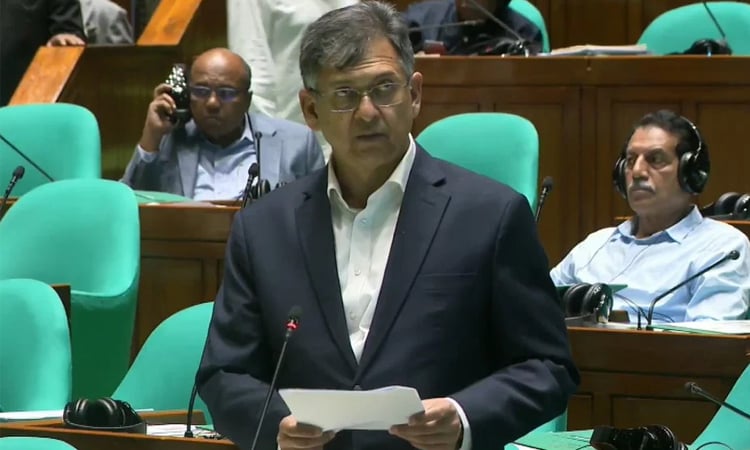
SANGSAD BHABAN, Sept 7, 2026 (BSS) - State Minister for Power, Energy and Mineral Resources Aninda Islam Amit today said the government has taken a series of short- and medium-term measures to address the country's energy crisis and plans to resolve it by 2030.
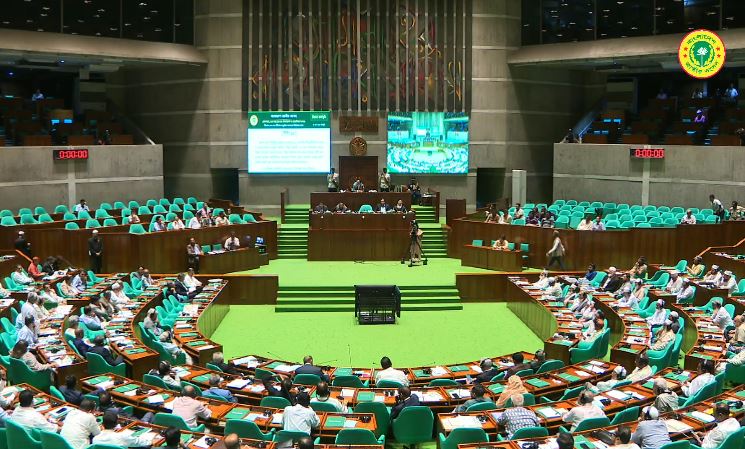
The state minister said this while taking part in the discussion on the country's energy crisis brought by Opposition Leader Dr Shafiqur Rahman under Rule 68 at the Jatiya Sangsad here with Deputy Speaker Barrister Kayser Kamal in the chair.
Aninda Islam Amit said the government has allocated Taka 6,000 crore to generate around 4,000 megawatts of electricity from furnace-oil-based power plants within the shortest possible time.
To further ease the power crisis, the 660-megawatt Rampal power plant is also scheduled to resume operations this week.
Following instructions from Prime Minister Tarique Rahman, plans have also been taken to generate 550 megawatts of electricity from five power plants starting this week, with no capacity charge applicable to the plants.
Amit said the country's annual gas demand is around 3,800 million cubic feet, against current production of only 2,600 million cubic feet, while demand is increasing at a rate of 10 percent annually.
The country currently faces a deficit of 1,200 million cubic feet, and under the government's plan, around 2,800 million cubic feet of gas could be supplied to the national grid by 2030.
To open offshore gas fields, the state minister said that during the fascist regime, the country achieved a maritime boundary victory over Myanmar on March 14, 2012, but no effective measures were taken during that regime in this regard.
After the present government came to power, he said, the government invited international companies on May 24 under the Bangladesh Offshore Bidding Round 2026 to explore oil and gas in 26 offshore blocks, comprising 15 deep-sea and 11 shallow-water blocks.
The bidding process will remain open until November, while preparations are also underway to launch a new onshore bidding round, he told parliament.
To strengthen the state-owned Bangladesh Petroleum Exploration and Production Company Limited, the government is procuring two additional drilling rigs alongside its existing five rigs.
The government has intensified efforts to increase natural gas production through expanded exploration, well drilling, seismic surveys and offshore bidding to attract international investors.
He said the government plans to complete the drilling and work over of 150 wells by 2031. Of these, work on 29 wells has already been completed, drilling is underway at eight more, and preparations and development activities for the remaining wells are progressing.
Regarding modernizing and expanding refining capacity of Eastern Refinery Limited (ERL), the country's lone facility for converting crude oil into refined petroleum products, the state minister said the refinery was established during the Pakistan period but none of the previous governments had taken any initiative to enhance the capacity of the unit.
The second unit of the ERL will be commissioned during the tenure of the present government.
Upon implementation, its refining capacity will treble from the current 15 lakh tonnes to 45 lakh tonnes per annum.
The Jeddah-based Islamic Development Bank (IsDB) will provide over $1 billion in financing for the modernisation project.
A financing agreement titled "Modernisation and Expansion of Eastern Refinery in Bangladesh" was signed between the Government of Bangladesh and the IsDB on Thursday (September 3).
A sustainable plan has also been made to increase the power generation through the rooftop and land-based solar system. The duty-free policy support by the present government will bring a revolution in the renewable energy sector, said the state minister.
About the fuel price, Aninda Islam Amit said the fuel price has been hiked in all the developed countries, including Australia and the USA, after the Middle East crisis, but we have coordinated the price to reduce smuggling to the neighboring countries.
Under the coordinated fuel price from February 18 to until August 31, the government had to pay Taka 25,000 crore as subsidy.
Participating in the discussion, Home Minister Salahuddin Ahmed said the government is trying to make the energy sector self-sufficient instead of an import-based policy undertaken by the previous fascist government.
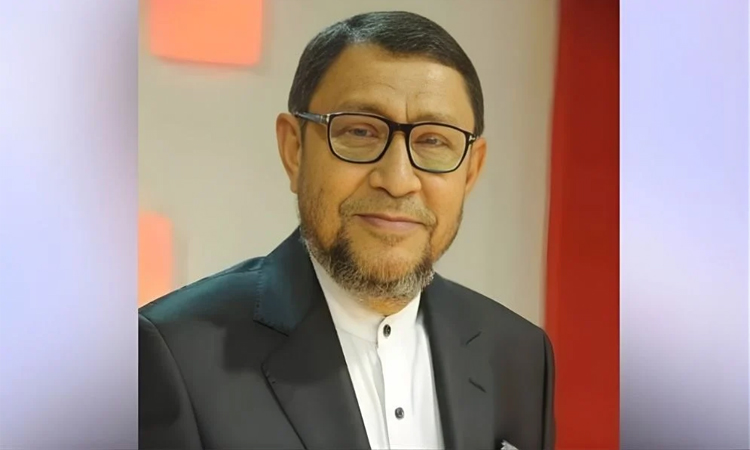
Raising the discussion in the parliament, Dr Shafiqur Rahman said the government should take pragmatic and sustainable policy to reduce the energy crisis. The opposition leader urged the government to form an effective energy cell to handle the problem effectively.
State Minister for Planning Md Zonayed Abdur Rahim Saki and Opposition lawmaker Nazibur Rahman also participated in the discussion.