Monday
07 September, 2026
News Flash
News Flash
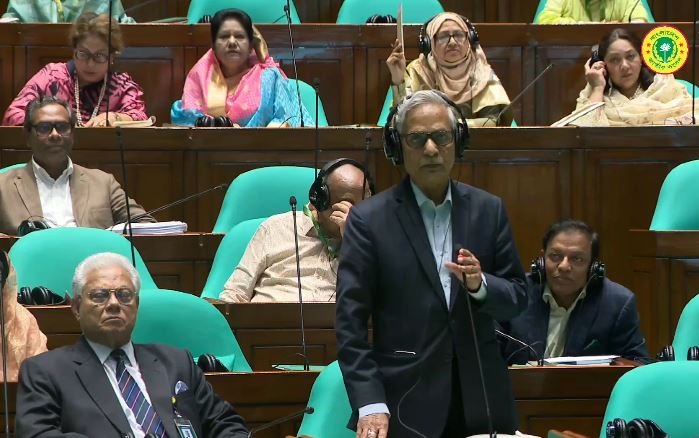
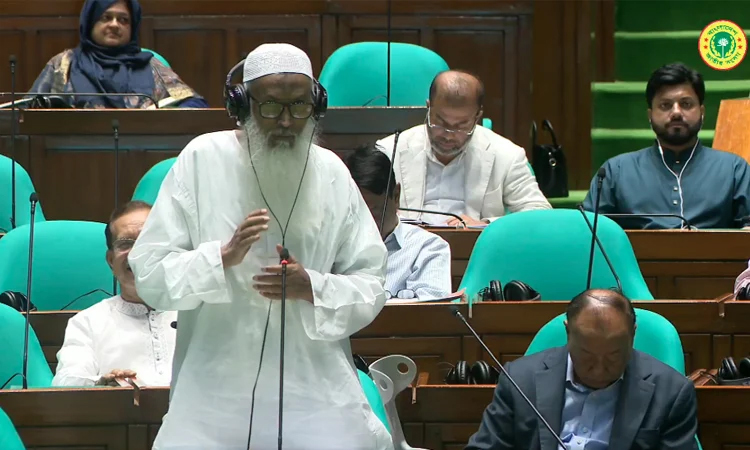
SANGSAD BHABAN, Sept 7, 2026 (BSS) - Religious Affairs Minister Kazi Shah Mofazzal Houssain (Kaikobad) today said Bangladesh could achieve unprecedented success in poverty alleviation within eight to 10 years if eligible people properly paid zakat and the authorities distributed the funds through a planned system among the eight categories prescribed by Shariah.
“Zakat is the third pillar of Islam and an important Faraz Ibadat,” he said while replying to a scripted question from ruling party lawmaker Mohammad Enamul Hoque (Chattogram-12) during the day’s question and answer session in Parliament with Speaker Hafiz Uddin Ahmad, Bir Bikrom, in the chair.
The minister said all men and women who have the prescribed level of wealth, or nisab, should pay zakat properly and the funds should reach the designated beneficiaries through a planned distribution mechanism.
“If all men and women who possess the nisab pay zakat properly and it is distributed in a planned manner among the eight categories prescribed by Shariah, unprecedented success in poverty alleviation in the country could be achieved within 8 to 10 years,” he said.
Responding to whether the government would take a plan to use zakat as an instrument for poverty alleviation, Houssain said a major portion of the country’s zakat management currently operates through the private sector.
He said thousands of madrasas and orphanages across cities, towns and villages operate with zakat collected from donors, contributing to socio-economic security as well as religious and moral education.
“Therefore, a major part of zakat management is in the private sector,” he said, adding that these institutions perform a significant responsibility related to socio-economic security and religious and moral education.
The minister said a reform committee had submitted recommendations to strengthen and modernise the Zakat Fund of the Islamic Foundation in coordination with madrasas.
“Keeping this reality in view, a reform committee, formed at the interest of the Prime Minister to strengthen and modernise the Zakat Fund management of the Islamic Foundation in coordination with madrasas, has made several recommendations,” he said.
He said the Ministry of Religious Affairs was working to make zakat collection easier from domestic and foreign sources and to ensure its distribution through cheques among genuine beneficiaries.
“The Ministry of Religious Affairs is working to facilitate zakat collection from domestic and foreign sources and expedite distribution among genuine beneficiaries through cheques in accordance with the proper rules, while making the process trustworthy to the people,” he said.
The minister expressed optimism that stronger coordination between the government zakat fund and the broader zakat system could contribute significantly to poverty reduction.
“With cooperation from all quarters, it will be possible to eradicate poverty from the country and society through the government Zakat Fund division and the overall zakat system,” he said.
He expected the strengthened zakat management system to produce a tangible impact within a relatively short period.
“We hope that a significant impact will be felt in this sector within four to five years,” he said.