Thursday
13 August, 2026
News Flash
News Flash
By Mutaher Hussain
DHAKA, Aug 13, 2026 (BSS) - The Dhaka Metropolitan Police (DMP) is moving beyond conventional traffic enforcement to adopt a broader, technology-driven approach to road safety, with plans for GPS-based vehicle monitoring, scrapping of ageing vehicles, healthcare for drivers, stronger noise-pollution control and improvements in road infrastructure.
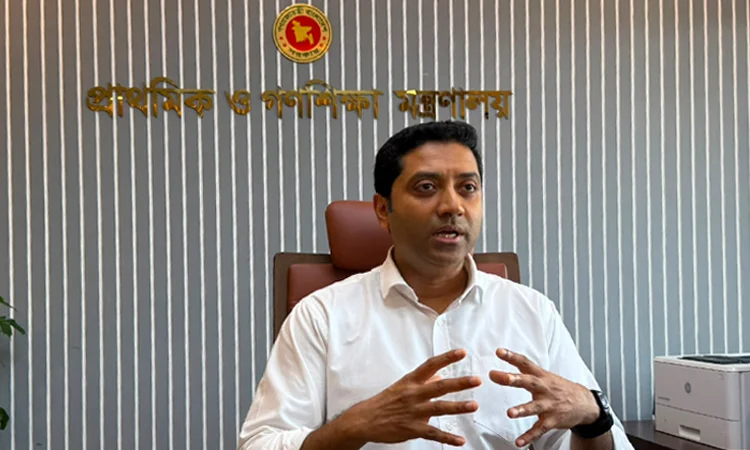
DMP Additional Police Commissioner (Traffic) Anisur Rahman outlined the initiatives in a recent interview with Bangladesh Sangbad Sangstha (BSS), saying road crashes and traffic disorder cannot be addressed through fines and legal action alone.
“Road safety requires a holistic approach,” he said, stressing that driver behaviour, training, working conditions, vehicle fitness, road design, infrastructure and the conduct of road users all contribute to the problem.
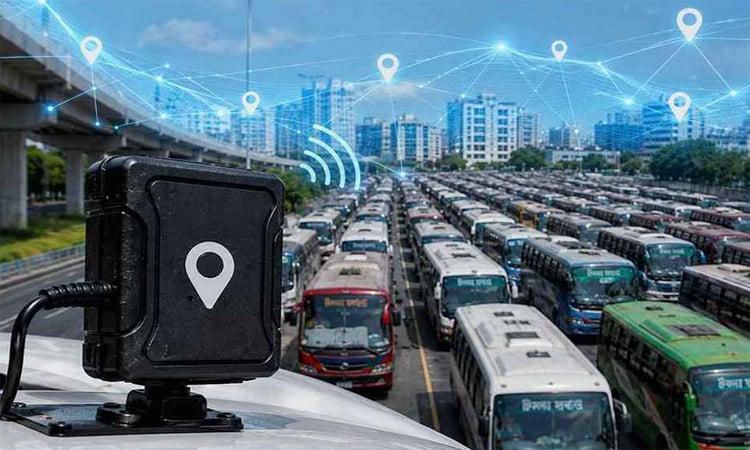
The DMP is working to introduce GPS technology to make action against reckless driving, wrong-way driving and signal violations more effective.
Once the system is operational, authorities will be able to track a vehicle’s movement and determine where and when it travelled, including whether it followed the designated route or drove against traffic.
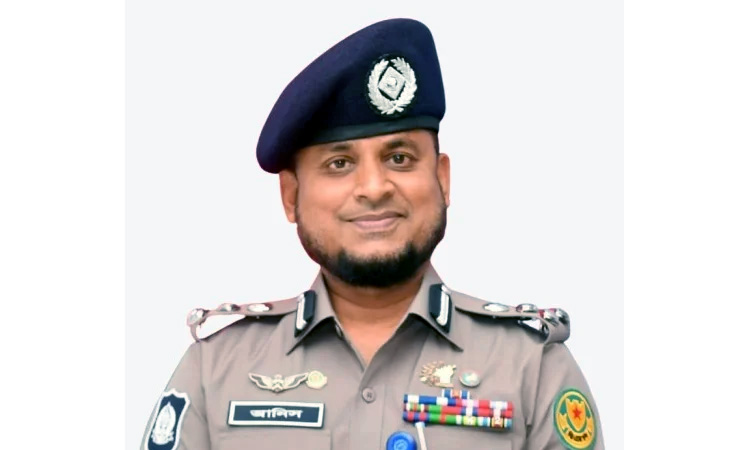
“This will make law enforcement more effective,” Rahman said, adding that solving Dhaka’s long-standing traffic problems would require time and coordinated efforts.
He said unsafe and ageing vehicles remain a major concern.
Although the DMP regularly takes action against unfit vehicles, many return to the roads after paying fines.
He noted that under the Road Transport Act, buses more than 20 years old and trucks more than 25 years old are not supposed to operate on the roads.
A vehicle-scrapping policy has already been formulated, with the Bangladesh Road Transport Authority (BRTA) tasked with implementing it.
“Effective implementation of the scrapping policy can significantly reduce the number of risky vehicles on the roads,” he said.
Rahman said road accidents cannot be blamed solely on drivers, adding that poorly designed road connections and inadequate infrastructure also increase risks.
He pointed out that, under international standards, highways generally do not allow vehicles to enter directly from feeder roads.
In Bangladesh, however, many roads under the Local Government Engineering Department (LGED) connect directly to highways without adequate barriers or controlled entry systems.
Such infrastructure gaps, he said, create additional accident risks.
In a new initiative, the Traffic Division is taking healthcare services directly to transport workers, particularly drivers.
“A bus driver carries the lives of 40 to 50 people at a time. His physical fitness is therefore an essential part of road safety,” Rahman said.
Many drivers, he noted, cannot afford to lose income by spending several days visiting doctors.
The new initiative seeks to address that barrier by bringing basic healthcare services closer to them.
Rahman also highlighted the health risks faced by traffic police and others who spend long hours on busy roads.
Continuous exposure to dust, vehicle fumes and excessive noise can lead to respiratory problems, chronic back pain, hearing loss and eye-related complications, he said.
He revealed that he recently underwent a hearing test and found a significant degree of hearing loss himself.
He urged people to undergo hearing checks, particularly those regularly exposed to traffic noise, and called for an end to unnecessary honking. Children, he said, are particularly vulnerable to the harmful effects of noise pollution.
The Traffic Division is also conducting research into the health impacts of prolonged exposure to traffic-related pollution and noise.
The health concerns, he said, extend beyond police and drivers to people such as street vendors who spend long hours working beside busy roads.
Many of them rarely seek medical care, despite being exposed to similar environmental risks that can cause long-term health problems.
“Road safety is not simply about preventing accidents. We must also protect the health of the people who work on and around our roads,” Rahman said.
He stressed that improving road safety in Dhaka would require sustained, coordinated action involving law enforcement, transport authorities, infrastructure agencies, vehicle owners, drivers and ordinary road users.
The message from the DMP is clear: safer roads will require more than enforcement—it will require technology, safer vehicles, healthier drivers and better-designed roads.