Monday
24 August, 2026
News Flash
News Flash

By Habibur Rahman
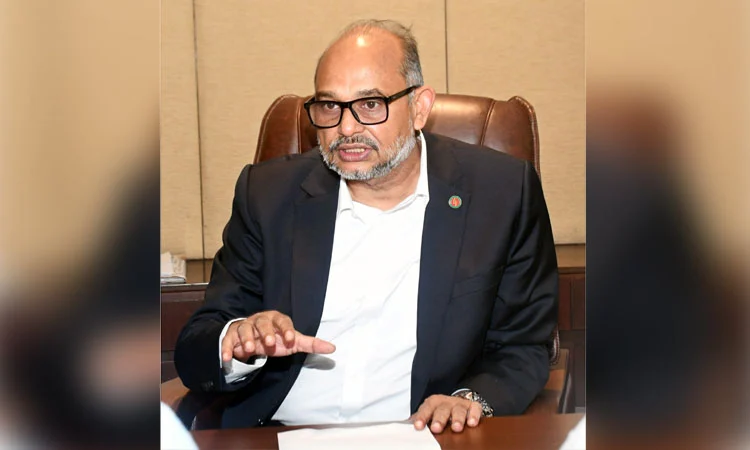
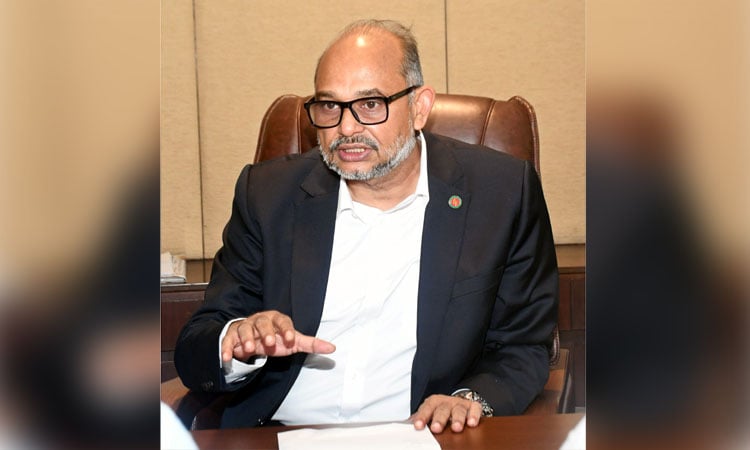
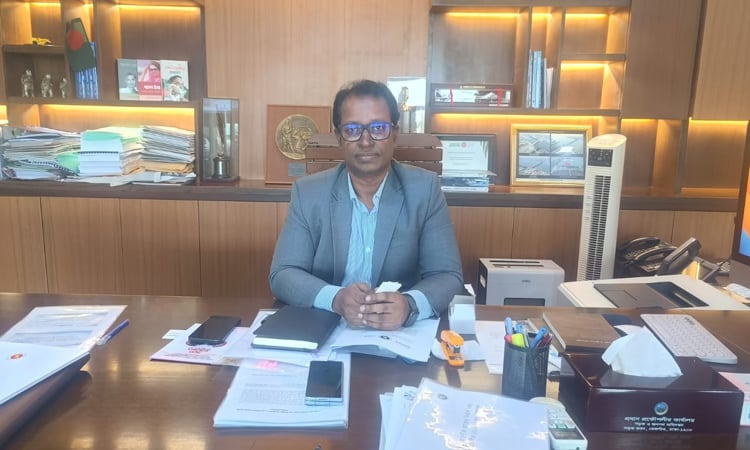
DHAKA, April 25, 2026 (BSS)- Chief Whip of the Jatiya Sangsad (JS) Nurul Islam Moni has said the government under Prime Minister Tarique Rahman is working to transform the national parliament into an effective, accountable and truly democratic institution.
He noted that the 13th JS is set to evolve into a stronger, more vibrant and policy-driven body.
In an exclusive interview with Bangladesh Sangbad Sangstha (BSS) at his JS office, the Chief Whip emphasized that the current parliament is not only a lawmaking centre but is also emerging as the core of a dynamic democratic process, poised to play a greater role in state governance in the days ahead.
Nurul Islam Moni said that in the past the parliament failed to ensure genuine representation of the people. According to him, at that time the parliament was effectively used as a tool to sustain an autocratic structure, where there was no real electoral competition or accountability.
Mentioning that during the autocratic period there was virtually no parliament, he said elections were held at night, dummy elections were staged, and various types of so-called elections took place, which in real sense, were not elections at all.
To form a government, 151 members of parliament are required, yet during that period 154 MPs were elected unopposed without votes, he added.
“We have seen such parliaments. So those parliaments cannot be compared with the present one. This parliament has tried to create a democratic environment. The difference is that they formed an autocratic government through those parliaments, whereas we want to build a democratic environment through this parliament,” he added.
Noting that before making the parliament vibrant it is essential to make it effective, the Chief Whip said without ensuring effectiveness, vibrancy becomes merely symbolic.
He said as many as 133 bills were disposed of within the first few days of the ongoing session, which is a rare occurrence in parliamentary history. According to him, this proves that the parliament is now capable of taking swift decisions.
He said parliamentary activities are no longer confined to lawmakers alone, as the parliament secretariat, committees and administrative structures are working in coordination. This coordination has enhanced the effectiveness of the parliament.
The Chief Whip said the goal of the present government is to establish the parliament as a true “people’s parliament”, adding that government policies, development plans and budgetary activities are being brought under public accountability through the parliament.
Members of parliament will act as the main instruments of this accountability, while the opposition will maintain balance through criticism and review, he noted.
Regarding the role of the opposition, he said adequate time and opportunity are being given to them in parliament. Compared to the past, the opposition can now speak more freely and criticise government activities. “Criticism is part of democracy, and we welcome it,” he added.
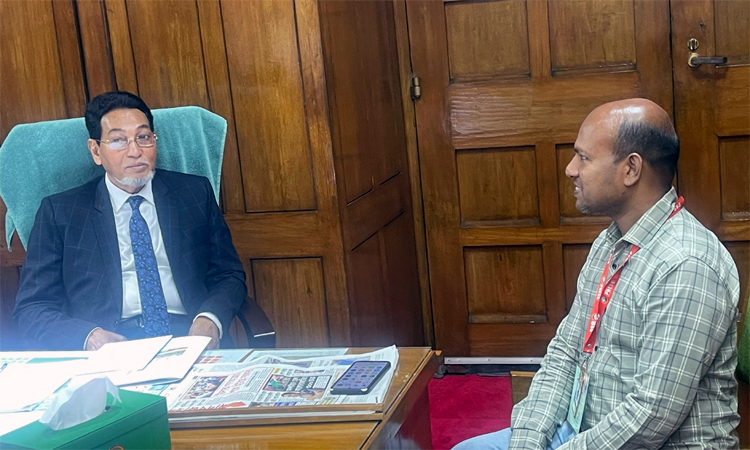
Speaking about the new lawmakers, Nurul Islam Moni said a large portion of the current parliament consists of new members and they are gradually becoming familiar with parliamentary rules, traditions, legislative processes and procedures. Some initial instability is natural, but they will be able to play a more effective role in future, he added.
Highlighting areas of consensus in parliament, he said there is broad agreement among members on several important issues. He cited decisions such as not accepting government plots and not availing tax-free car facilities as examples, saying the decisions have set a new standard of transparency and ethics within the parliament.
On the agriculture sector, the Chief Whip said the government has taken multifaceted initiatives to economically empower farmers. Work is underway on creation of agricultural cards, distribution of fertilizer at fair prices, soil testing and crop-based databases.
However, he warned that timely supply of quality fertilizer, seeds and pesticides is essential for the success of these initiatives.
He said fertilizer dealer appointment and distribution systems are being reformed to eliminate long-standing irregularities in the agriculture sector, noting that the previous structure had led to artificial shortages.
On the economy and governance, Nurul Islam Moni said the government is working to ease pressure on public through subsidies, energy price control and welfare-oriented projects.
“The main goal of the present government is to ensure that state resources are used directly for the welfare of the people,” he said.
Regarding the implementation of the July Charter, he said constitutional amendments may be required. He said there is a plan to formulate a strong law after reviewing various ordinances and policies. Some issues will be finalized after discussion in special committees, he added.