Thursday
20 August, 2026
News Flash
News Flash
COLOMBO, Aug 20, 2026 (BSS/AFP) - Heavy rains and severe drought are likely to hit Sri Lanka in the coming months as the largely agricultural nation faces its "worst" ever El Nino climate phenomenon, the environment minister said on Thursday.
El Nino is a natural climate variation that warms surface temperatures in the central and eastern equatorial Pacific Ocean, bringing worldwide changes in winds and rain patterns.
Human-caused climate change can amplify its impacts because a warmer ocean and atmosphere make more energy and moisture available to feed extreme weather events.
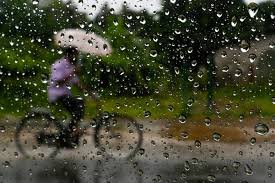
Weather experts have forecast that Sri Lanka's current dry conditions will give way to heavy rains from late September until December, Environment Minister Dhammika Patabendi said.
But those rains are expected to be followed by a prolonged drought early next year.
The government has set up a ministerial panel to deal with the fallout from what Patabendi said would be the island's "worst" El Nino.
The forecasts pose a particular threat to Sri Lanka, a country of 22 million people where agriculture employs about a quarter of the workforce and remains a key contributor to the economy.
"The drought will be very severe between January and April, and that is when we will face serious challenges," Patabendi told reporters in Colombo.
"We are preparing to mitigate the impending crisis."
Authorities urged rice farmers last month to begin the main planting season in early October, around two weeks ahead of schedule, to take advantage of the expected early rains.
Patabendi said the government was also studying the potential impact of erratic weather on economic growth as the country recovers from its 2022 financial crisis.
Water reservoirs, including those supplying hydroelectric power stations, are currently at 56 percent capacity, according to officials.
While that level compares well with previous years, there are concerns over water availability next year if drought conditions intensify as forecast, Patabendi said.
Intense rains between October and December could trigger mudslides in mountainous regions, which were badly hit in November following Cyclone Ditwah.
The destruction caused by Ditwah affected almost the entire island, claiming nearly 650 lives. The damage to infrastructure alone was estimated by the World Bank at about $4.1 billion.