Wednesday
19 August, 2026
News Flash
News Flash
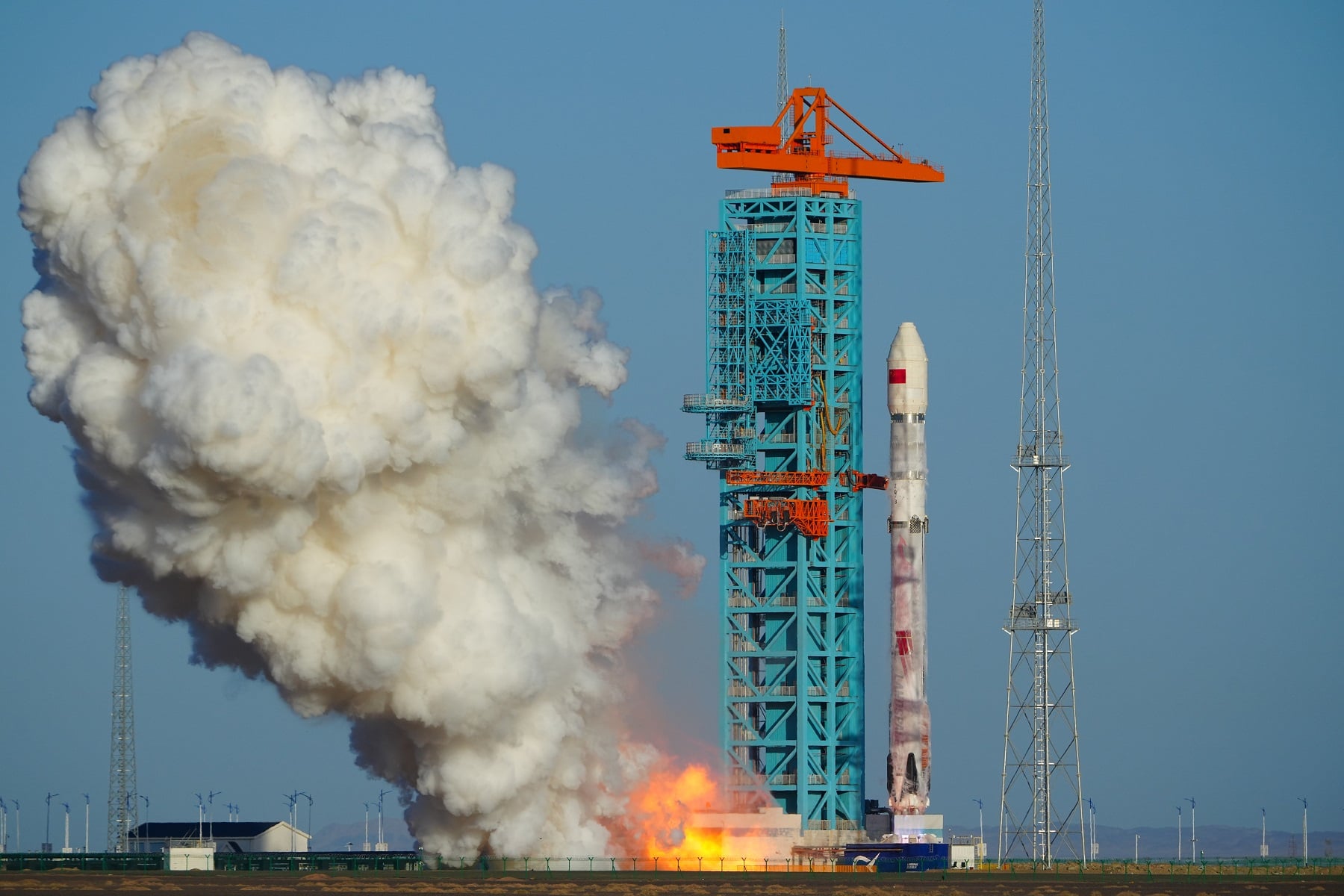
BEIJING, Aug 19, 2026 (BSS/AFP) - A Chinese space startup recovered the first stage of a rocket on land on Wednesday morning, hailed by state media as a first for the country and a "breakthrough" in its reusable spacecraft technology.
Beijing has invested billions of dollars in its space programme in recent years to achieve what President Xi Jinping calls China's "space dream".
The Zhuque-3 rocket, developed by start-up LandSpace, blasted off from the Dongfeng commercial space innovation pilot zone in northwestern China at 7:35 am on Wednesday (2335 GMT Tuesday), the state-run Xinhua news agency said.
The first stage -- referring to the bottommost part of the rocket -- was later successfully recovered, "touching down smoothly", Xinhua said.
Footage from state broadcaster CCTV showed it steadily descending onto a landing site in the desert, its deployable legs unfolding to set itself down.
The second stage of the rocket, located above the first stage, sent the Honghu-03 satellite into orbit, Xinhua said, lauding the mission as "a complete success".
Space experts said LandSpace was the first company outside the United States to land an orbital-class booster "on its own legs".
"LandSpace's successful landing is a major milestone for China's commercial space sector," said Richard de Grijs, an astrophysicist and professor at Australia's Macquarie University.
LandSpace's achievement came just a month after the recovery of the first stage of the state-developed Long March-10B carrier rocket from a seaborne platform in July.
"China has now demonstrated two different recovery architectures through both its state-owned and commercial space sectors," de Grijs said.
"That combination of institutional competition and technical experimentation could help China develop the cheaper, higher-frequency launch capacity needed for its planned satellite mega constellations."
Xinhua said the Zhuque-3 has been approved by the China National Space Administration and made for "low-cost, high-capacity and high-frequency launches".