Thursday
30 July, 2026
News Flash
News Flash
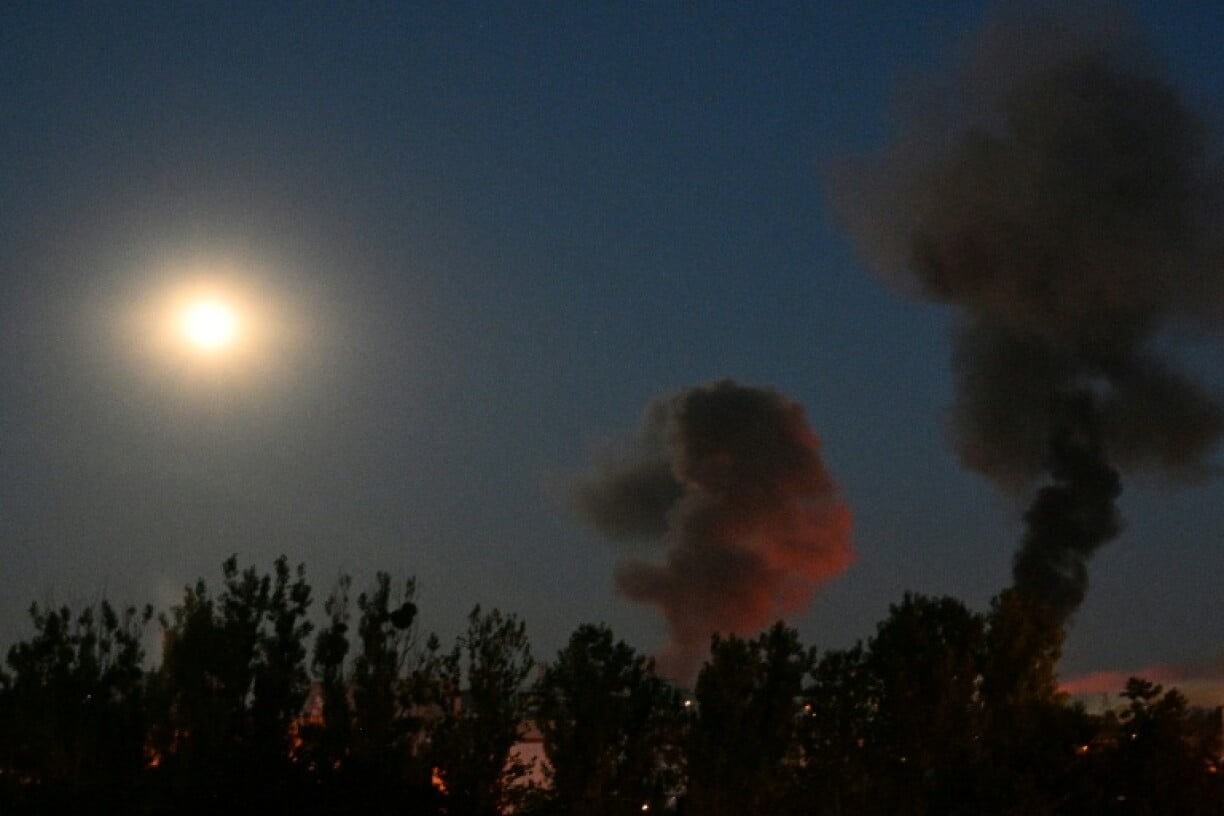
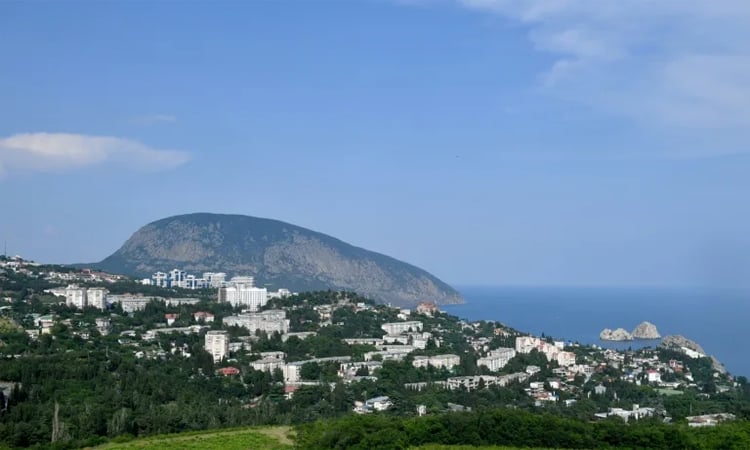
SEVASTOPOL, July 30, 2026 (BSS/AFP) - A boom rang out over the city of Sevastopol on the Russian-annexed peninsula of Crimea.
A Russian air-defence drill or a Ukrainian drone attack? Local Georgy shrugged.
"We're already used to it, really ... nothing scares us anymore," he told AFP.
Ukraine has heavily targeted the Black Sea territory -- a popular summer retreat despite the four-and-a-half-year war -- escalating a campaign of strikes on fuel and electrical facilities over recent months.
But like Georgy, who works in the tourism sector, many in Crimea are simply carrying on.
"Here we are sitting, drinking a coffee. Even if there are some sounds, it's most likely just a drill," he said, refusing to give his surname.
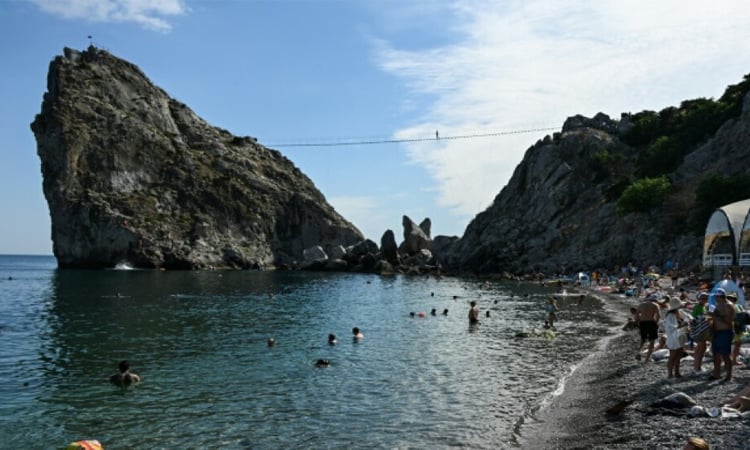
Along the seafront, elderly women waded in the water, a kid splashed his brother, and toned men worked out.
At a skatepark, teenagers strung tricks together near one of the city's many bomb shelters.
A check of the Sevastopol governor's Telegram channel showed no air alert this time.
But warnings have become more frequent since Ukraine started ramping up attacks in June.
Civilians have been killed and wounded in the attacks. Two were killed overnight from Tuesday to Wednesday, Crimea's governor Sergei Aksyonov said.
Blackouts and fuel shortages are part of daily life for Crimea's 2.4 million people and the Crimenergo electricity distributor announces daily power outages on its website.
Authorities have already introduced a local state of emergency and halted petrol sales.
'Catastrophe' -
Seaside resorts, businesses and hotels that can afford them are equipped with generators.
"Yes, you can hear the generator," Oksana, who runs a grocery store in Yalta, explained over the hum.
"I have no choice... otherwise the sorbets will melt. This year is just a catastrophe," she added.
Russia seized and annexed Crimea in 2014, triggering a first batch of sanctions from the West.
The peninsula has symbolic and political importance for Russian President Vladimir Putin, who promised locals a better life under Moscow's rule than Kyiv.
Almost no other countries have recognised the peninsula as Russian.
More than four years into Russia's offensive on Ukraine, air defence batteries are visible on roads across Crimea.
So too are the partially blackened facades of electric substations hit by Ukrainian drone strikes and gas stations that are either closed or only serving essential transport.
When petrol or diesel does go on sale to regular drivers -- occasionally announced by local officials on social media -- the stations "do not display the price, so as not to annoy people", said one taxi driver.
A litre of 95-octane unleaded petrol goes for around 250 rubles (about $3) -- three to four times what it used to cost.
Getting supplies from Russia has become treacherous.
Ukraine frequently targets tankers and haulers travelling on the northern route between Crimea and Rostov-on-Don, through Russian-controlled southern Ukraine.
It has become known as the "road of death".
'Crown jewel' -
The other route to Russia is eastwards, across the Kerch bridge, a multi-billion-dollar 19-kilometre (12 mile) long road-and-rail link that has become a symbol of Moscow's annexation.
Ukraine has frequently targeted the bridge, including a 2022 attack in which explosives were packed into a truck that was then driven across.
Fuel tankers are now banned from using it.
Kyiv's aim for its Crimea campaign? To "create the conditions under which Russia will be forced to choose peace," Ukrainian President Volodymyr Zelensky said last month.
Ukraine also sees it as fair retribution for Russia's attacks on its cities.
"Crimea is the crown jewel of Russia's territorial conquests since 2014 with an entire mythology built around it," Maria Snegovaya, a researcher at the US-based Center for Strategic and International Studies (CSIS) told AFP.
"While the occupation of the Donbas has been justified primarily by the narrative of 'protecting Russian speakers,' Crimea is framed as historically sacred Russian land," she added.
Ukraine rejects that narrative and the vast majority of the international community do not recognise Russia's rule over Crimea.
Local officials did not respond to AFP requests for an interview.
There is no information about a contingency plan if the Kerch Bridge is put out of action again.
There have been reports of residents leaving the peninsula since the start of the war -- but no figures.
The idea of moving abroad appeals to Ekaterina and Anastasia, Crimeans visiting home on a summer break from studies in Moscow -- "where people have never heard an air-raid siren".
"I want first to go to Asia," said Ekaterina, who is 18 and studying fashion.
"But it's difficult to get residency there ... maybe somewhere like the Netherlands, or other European countries, there are more options there."