Wednesday
22 July, 2026
News Flash
News Flash
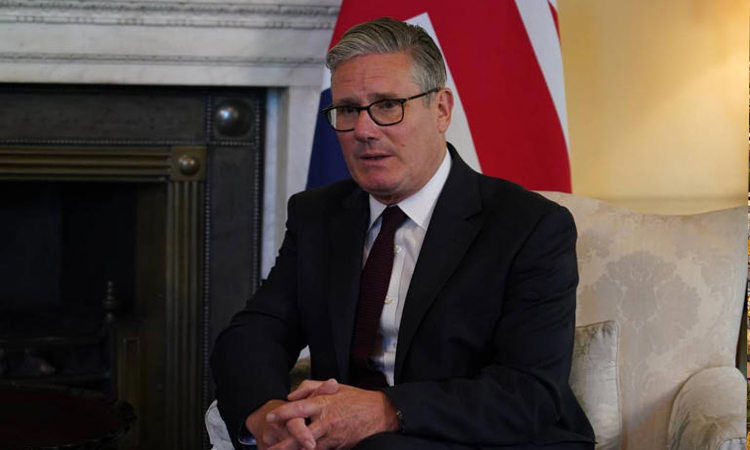
LONDON, Britain, June 30, 2026 (BSS/AFP) - Outgoing Prime Minister Keir Starmer will on Tuesday finally announce his long-delayed plan for funding Britain's future defence needs, with increased money for drones and autonomous systems.
The announcement follows months of wrangling within his Labour government over the resources required to modernise the UK's armed forces in the face of rising threats, including from Russia.
Two defence ministers quit earlier this month in a row over the Defence Investment Plan (DIP), including defence secretary John Healey who said it risked making Britain "less safe".
The resignations highlighted Starmer's weakening authority. He announced last Monday he was stepping down after MPs from his ruling Labour party switched their support to veteran politician Andy Burnham.
Burnham, the 56-year-old former Greater Manchester mayor, will take over as prime minister in mid-July if he faces no challengers for the Labour leadership.
Starmer, who hopes the 10-year defence spending plan will become one of his legacies, called the proposals "game-changing investment" in a statement released late on Monday.
It "will keep our country safe and secure long into the future," he added, ahead of the unveiling on Tuesday.
The plan includes more than £5 billion ($6.6 billion) for drones and autonomous systems over the next four years, the Ministry of Defence (MoD) said in a press release.
The investment will see capabilities ranging from "highly complex autonomous mine-hunting drones to small 'quadcopter' tactical drones, and low-cost 'kamikaze' one-way attack drones," the MoD added.
The wars in Ukraine and Iran have highlighted the increased use of warfighting robots.
Ukraine uses roughly 200,000 drones a month to defend itself from Russia's invasion, while at the height of the Iran conflict 700 offensive drones were being launched per day, the MoD said.
Starmer vowed to raise defence spending to 2.5 percent of economic output from next year, increasing to three percent if Labour wins the next general election, expected in 2029, before reaching 3.5 percent in 2035.
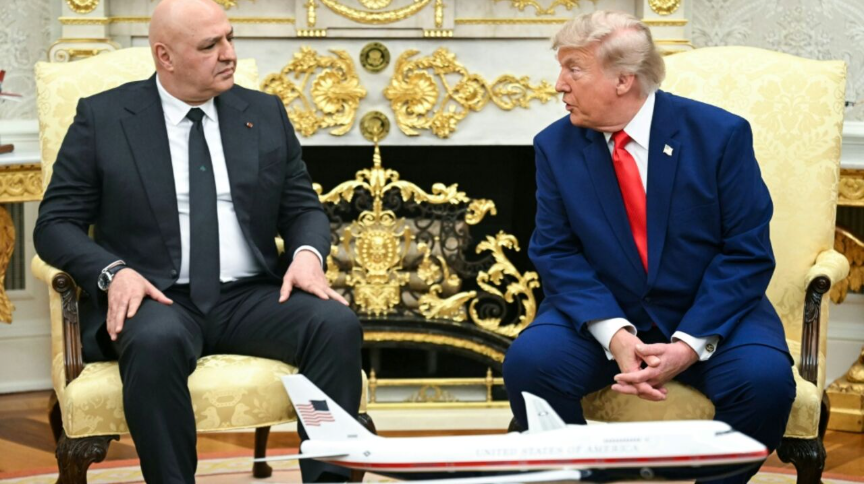
The pledge came as US President Donald Trump has repeatedly urged NATO allies to spend more and become less reliant on Washington for security. Starmer discussed the DIP with NATO Secretary General Mark Rutte on Monday.
Healey quit on June 11 saying in his resignation letter to Starmer that the DIP only saw defence spending rise to 2.68 percent of GDP by 2030.
An aide, speaking on condition of anonymity, said it did not put a date on the three percent commitment.
UK media has reported that new Defence Secretary Dan Jarvis has secured some extra money for the plan, taking the full settlement to £14.5 billion, up from the £13.5 billion put to Healey.
That would still be short of the £28 billion that military leaders previously said was needed.
Ex-armed forces minister Al Carns, who followed Healey out of the door last month, accused the then-version of the investment plan of being short-sighted and planning for the "last war rather than the next one".
On Monday, the government announced that from the early 2030s Britain will replace its six ageing destroyer warships with at least six "hybrid" vessels that will "mix crewed and uncrewed capabilities".