Saturday
12 September, 2026
News Flash
News Flash
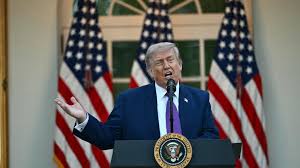
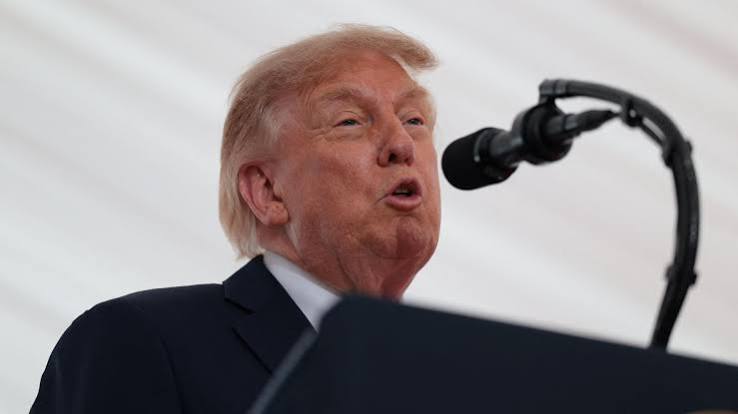
BEIJING, May 12, 2026 (BSS/AFP) - Donald Trump was due in Beijing Wednesday
for the first visit to China by a US president in nearly a decade, as the war
he launched on Iran in February added to the heap of issues straining the
powers' ties.
This week's trip -- the first since Trump visited in 2017 -- will involve
high-stakes talks with Chinese President Xi Jinping on Thursday and Friday,
during a packed itinerary that includes a state banquet and tea reception.
US arms sales to Taiwan, China's controls on rare earth exports and the
countries' raucous trade relationship are among the topics expected to be
taken up by the heads of the world's top two economies.
The war in the Middle East will also top the agenda, with a senior US
official telling reporters this week that Trump will pressure Xi over Iran,
as he seeks a deal to end the conflict.
Signs of tension in the buildup to the superpower summit were already visible
Tuesday on the streets of Beijing, with police monitoring major intersections
and checking the ID cards of passengers on the metro, AFP journalists saw.
"It's definitely a big deal," said Wen Wen, a 24-year-old woman travelling
from the eastern city of Nanjing, when asked by AFP about Trump's visit.
"Some progress will certainly be made," she said, noting that she hopes China
and the United States can ensure "lasting peace" despite "recent instability
in the global situation".
Trade ties between Beijing and Washington have been fraught in recent years,
with the two sides currently maintaining a one-year truce in a blistering
tariff war reached at Trump and Xi's last meeting in South Korea in October.
China's major surplus in trade with the United States has long irked Trump,
who slapped tariffs on the country's goods during his first term in office.
Trump will be accompanied in China by a large group of top US business
executives, including Tesla's Elon Musk and Apple's Tim Cook, the White House
has said.
The highly anticipated summit comes at an uncertain time for China's economy,
which has struggled in recent years with sluggish domestic spending and a
protracted debt crisis in the once-booming property sector.
- 'Responsibilities as major powers' -
For Li Jiahao, 30, who manages a Beijing karaoke bar, the summit will not
necessarily solve all problems in China-US relations -- though he is hoping
for "positive results".
"Coming here and actually resolving the issues are two different things," he
told AFP.
"China and the United States both have responsibilities as major powers," he
said, adding that "only through friendship can we achieve mutual development
and become stronger".
The war in Iran -- launched by the United States and Israel on February 28 --
has presented new challenges in the already-complicated relationship between
Beijing and Washington.
Trump delayed his trip to China once due to the conflict, which has
effectively halted shipping through the crucial Strait of Hormuz for more
than two months.
China is the top customer for Iran's oil, though Trump has sought to stop all
purchases through unilateral sanctions.
The US Treasury Department added to those measures on Monday, sanctioning 12
individuals and entities -- including several based in Hong Kong -- it said
facilitated sale and shipment of Iranian oil to China.
Asked about the latest moves on Tuesday, Guo Jiakun, a spokesman for
Beijing's foreign ministry, said that "China firmly opposes illegal
unilateral sanctions".
Another major thorn in the side of Chinese leaders is US provision of
military assistance through arms sales to Taiwan, the democratic, self-ruled
island claimed by Beijing.
Trump expressed willingness to discuss US arms sales to Taiwan on Monday,
suggesting his personal relationship with Xi would prevent a Chinese invasion
of the island.
"I think we'll be fine. I have a very good relationship with President Xi. He
knows I don't want that to happen," he said.