Saturday
12 September, 2026
News Flash
News Flash
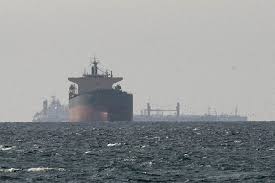
TEHRAN, May 10, 2026 (BSS/AFP) - The naval stand-off in the Gulf threatened to boil over Sunday following days of clashes and tit-for-tat accusations, as a cargo ship was hit off Qatar and Iran warned it could target US interests in the region.
Qatar's defence ministry said the freighter had been arriving in the country's waters from Abu Dhabi and was hit by a drone northeast of the port of Mesaieed.
The United Kingdom Maritime Trade Operations centre said a bulk carrier had reported being struck by an unknown projectile. "There was a small fire that has been extinguished, there are no casualties. There is no reported environmental impact," it said.
There was no immediate claim of responsibility, but Iran's Fars news agency reported that "the bulk carrier that was struck near the coast of Qatar was sailing under the US flag and belonged to the United States".
This came after Iran's Revolutionary Guards threatened to target US interests in the Middle East if its tankers come under fire -- as they had done on Friday when a US fighter jet fired on and disabled two Iran-flagged vessels in the Gulf of Oman to prevent them from continuing to Iranian ports.
"Any attack on Iranian tankers and commercial vessels will result in a heavy attack on one of the American centres in the region and enemy ships," the IRGC said.
- Drone strikes -
Iran's neighbour Kuwait also reported an attempted attack.
"At dawn today, the armed forces detected a number of hostile drones in Kuwaiti airspace, which were dealt with in accordance with established procedures," the military posted on social media.
Iran has choked off the Strait of Hormuz -- a vital route out of the Gulf for oil, gas and fertiliser, seeking to wield economic leverage over the United States and its allies.
The US Navy, meanwhile, is blockading and sometimes disabling or diverting ships heading to and from Iran's ports.
Tension is rising as Washington waits for Tehran to respond to its latest offer of a deal to extend a truce to allow the foes to enter peace negotiations.
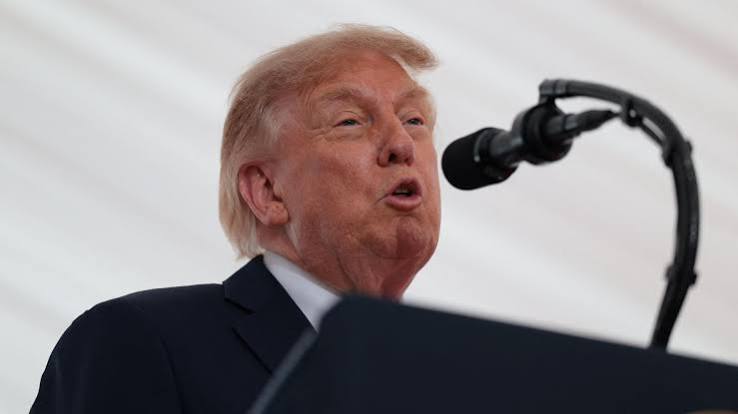
US President Donald Trump had said he was expecting Pakistani mediators to receive Iran's answer on Friday, but none has been made public.
"The recent escalation of tensions by American forces in the Persian Gulf and their numerous actions in violating the ceasefire have added to suspicions about the motivation and seriousness of the American side in the path of diplomacy," Iran's Foreign Minister Abbas Araghchi said, according to Iran's ISNA news agency.
Iran has set up a payment mechanism to extract tolls from shipping trying to cross the strait, but US officials have repeatedly stressed that it would be "unacceptable" for Tehran to control what had been an international waterway and the route of a fifth of the world's oil exports.
US Secretary of State Marco Rubio met Saturday with the leader of Qatar, a key intermediary. Qatar's Sheikh Mohammed bin Abdulrahman Al Thani met the previous day with US Vice President JD Vance to discuss efforts to broker a permanent peace.
Iran has attacked sites in Qatar during the war, pointing to the wealthy emirate's role as host of a major US air base.
- Lebanon front -
A parallel ceasefire on the war's Lebanon front is also under strain amid daily exchanges of fire between Israel and Iran-backed Hezbollah.
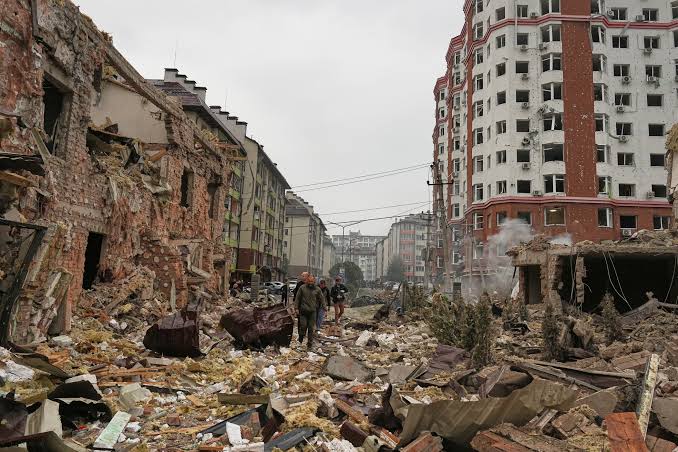
Authorities said at least nine people were killed in Israeli strikes in southern Lebanon on Saturday, while state media reported air raids targeting a highway south of Beirut, outside the militant group's traditional strongholds.
The fresh attacks were some of the most intense since the start of a three-week-old ceasefire between Israel and Hezbollah.
Hezbollah said it targeted troops in northern Israel with drones on at least two occasions in response.
Israel's military said several explosive drones were launched into Israeli territory, with one army reservist severely wounded and two others moderately injured.
The strikes come as Lebanon and Israel, officially at war since 1948, are to hold direct negotiations in Washington next week, which Hezbollah vehemently opposes.