Sunday
13 September, 2026
News Flash
News Flash
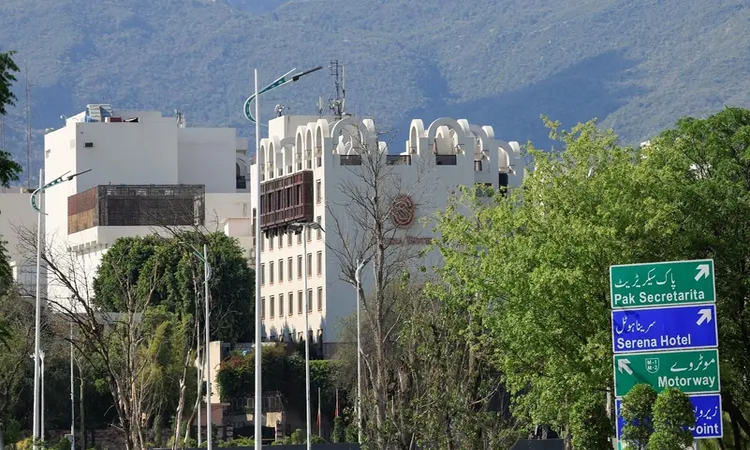
ISLAMABAD, Pakistan, April 10, 2026 (BSS/AFP) - The United States and Iran are holding their highest-level talks in years in Islamabad in a Pakistan-brokered bid to turn a fragile two-week ceasefire into a lasting end to a war that has roiled global energy markets.
Here are five things to know about the Islamabad talks:
- The war behind the talks -
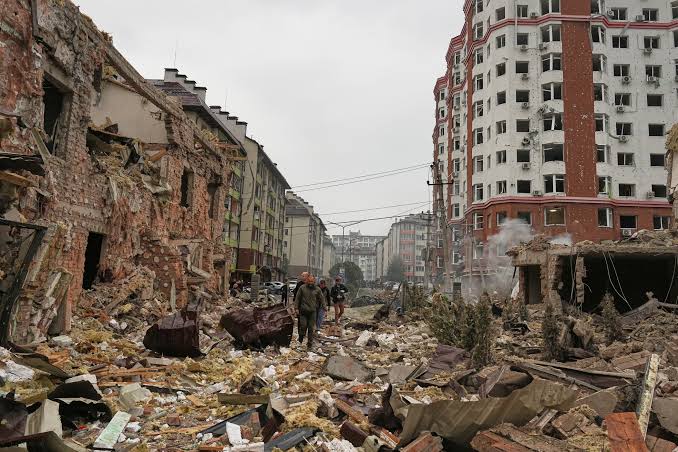
On February 28, the US and Israel launched coordinated strikes that killed Supreme Leader Ali Khamenei and struck Iran's military and nuclear infrastructure, killing more than 2,000 people in five weeks.
Tehran responded by effectively closing the Strait of Hormuz, through which about a fifth of global oil and gas passes, sending energy prices soaring and disrupting trade worldwide.
On April 8, the US and Iran agreed to a two-week ceasefire brokered by Pakistan. Iran's Supreme National Security Council said the talks could continue for up to 15 days. The ceasefire is expected to expire April 22.
- Pakistan's unlikely starring role -
Pakistan, a nation more frequently making international headlines for its militancy and shaky economy, is hosting the first negotiations between Washington and Tehran since the war began, a stunning pivot for a country long viewed through the lens of deep security concerns.
The country does not typically host talks of this scale.
Pakistan's value as mediator rests on an unusually broad diplomatic network.
Iran was the first country to recognise Pakistan following independence in 1947, with the two neighbours sharing a 900-kilometre (560-mile) border and deep historical, cultural and religious ties. Pakistan is also home to over 20 million Shia Muslims: the second-largest such population in the world after Iran.
At the same time, Islamabad has cultivated strong ties with Washington, Riyadh and Beijing.
Pakistani Foreign Minister Ishaq Dar visited Beijing at the end of March for talks with Wang Yi, who backed Islamabad's mediation efforts as "in keeping with the common interests of all parties".