Sunday
13 September, 2026
News Flash
News Flash
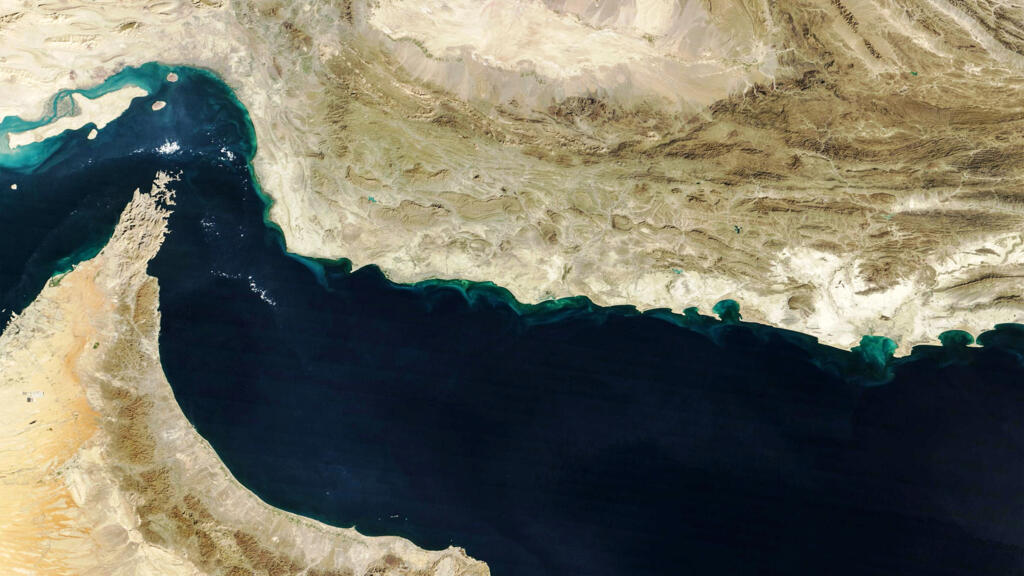
LONDON, March 30, 2026 (BSS/AFP) - Here are the latest key facts and figures about the blockage of the Strait of Hormuz, a crucial shipping route virtually paralysed by the Middle East war.
Around a fifth of global crude oil and liquefied natural gas passes through the waterway in peacetime.
The war erupted on February 28 when the United States and Israel began bombing Iran, prompting Tehran to retaliate with strikes across the region and sharply restrict access to the strait.
- Handful of crossings –
Fifteen vessels crossed the strait over the weekend, 12 of them on Saturday, making it one of the busiest days for crossings since March 1, according to Kpler.
From March 1 to 30 as of 0900 GMT Monday, commodities carriers made just 195 crossings, according to data from analytics firm Kpler -- a decrease of 95 percent from peacetime.
Of these, 121 were by oil tankers and gas carriers and most were travelling east out of the strait.
- Chinese container ships pass –
Later on Monday, two further ships -- ultra-large container vessels owned by Chinese shipping giant Cosco -- appeared to have successfully crossed the strait after an aborted attempt last week, maritime tracker MarineTraffic said on X.
It interpreted their passage as "signalling a potential shift in conditions for commercial shipping".
- Steel, soybeans shipped –
Seven of the ships passing through the strait over the weekend were dry bulk carriers transporting steel, iron ore pellets and soybean meal.
Four vessels were liquified petroleum gas tankers and the rest were liquid tankers.
The channel in peacetime sees around 120 daily transits, according to shipping industry intelligence site Lloyd's List.
- 2,000 ships in Gulf –
Around 2,142 vessels have sent transponder signals in the Gulf west of the Strait of Hormuz in the past day, according to Bloomberg data.
Of those, 298 were tankers, including 10 very large gas carriers and 55 very large crude carriers.
- No reported incidents since March 22 –
Since March 1, 2026, 24 commercial vessels, including 11 tankers, have been attacked or reported incidents in the Gulf, the Strait of Hormuz or the Gulf of Oman, according to the British naval maritime security agency UKMTO.
No incidents have been logged since March 22, when the bulk carrier Phoenix reported an explosion next to the ship in Emirati waters, according to the UKMTO.
Drones struck fuel tanks at Oman's Salalah port on Saturday, injuring one worker and disrupting operations but hitting no vessels.
- Eight sea workers killed –
Since the conflict began, at least eight seafarers or dock workers have died in incidents in the region, according to the International Maritime Organization (IMO).
A further four remained missing and 10 were injured.
Around 20,000 seafarers are affected in the region, according to the IMO.
- Iran-approved route –
Recent crossings appeared to have mainly used a route apparently approved by Iran around Larak Island just off the country's coast.
Leading shipping journal Lloyd's List last week said at least 34 ships had been tracked using it.
Over the weekend three ships sent signals close to Larak Island before turning off their transponders to cross the strait.
Iran's Revolutionary Guards said the route was closed to vessels travelling to and from ports linked to its "enemies".
- 45% sanctioned ships –
Since the war started, 45 percent of the crossings have been by ships under US, EU or UK sanctions, according to an AFP analysis of passage data.
Of the crossings by oil and gas tankers, 61 percent were by vessels under sanctions.