Sunday
14 June, 2026
News Flash
News Flash
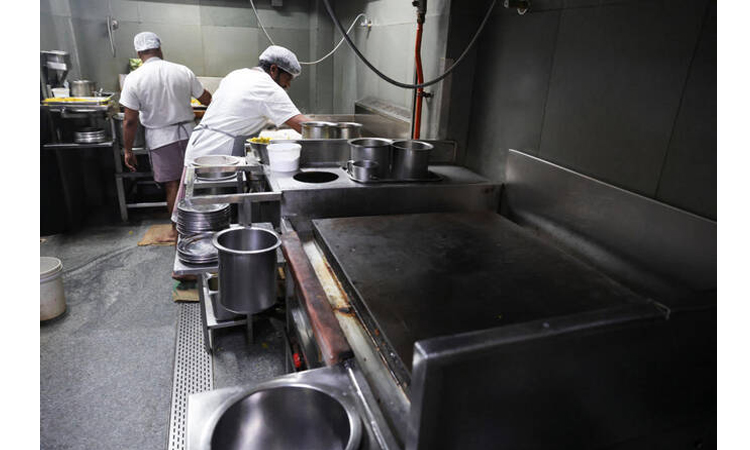
MUMBAI, India, March 10, 2026 (BSS/AFP) - India ordered tighter controls over natural and cooking gas on Tuesday following import disruptions caused by the Middle East war, with restaurants warning it could spark widespread closures.
The world's most populous nation is the fourth largest liquefied natural gas (LNG) buyer, and second-largest buyer of liquefied petroleum gas (LPG), such as that used for cooking -- much of which is sourced from the Middle East.
"The ongoing conflict in the Middle East has resulted in the disruption of liquefied natural gas shipments through the Strait of Hormuz," the Ministry of Petroleum said in an order issued on Tuesday.
It said the new rules would "ensure equitable distribution and continued availability for priority sectors".
The ministry ordered that LNG supplies be prioritised to supply households, transport sectors and production of LPG.
But other sectors, including fertiliser plants and tea industries, would receive 70 to 80 percent of consumption needs, "subject to operational availability".
To meet the gap, gas supplied to petrochemical facilities and power plants would either be fully or partially curtailed.
Indian industries including several ceramics and tile firms have already said they are facing a cutback in gas supplies that could impact production.
Restaurants and hotels across India also warned of disruptions to operations, after a separate ministry order on Monday that prioritised domestic LPG supplies to households.
The National Restaurant Association of India warned that the government order had resulted in LPG suppliers "across the country" signalling that supplies to eateries would be stopped.
"The restaurant industry is predominantly dependent on commercial LPG for its operations," it said in a statement. "Any disruption therein will lead to a catastrophic closure of majority of restaurants."
PC Rao, head of a hotel industry association in the southern tech-city Bengaluru, said the "situation was dire".
"Supply of gas has been hit and many of the smaller establishments only have one to two days of stock left," Rao told AFP.
"The big ones probably have about 10 days worth remaining. Now, people will look to change or restrict their menus bearing in mind the situation."