Tuesday
25 August, 2026
News Flash
News Flash
CARACAS, Feb 19, 2026 (BSS/AFP) - Relatives of Venezuelan political prisoners staged a fifth day of hunger strike Wednesday on the eve of a parliament sitting they hope will result in passage of a long-awaited amnesty law.
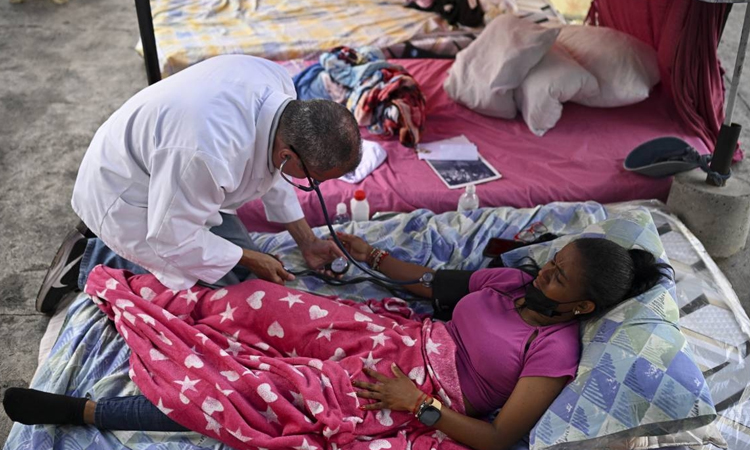
Outside the "Zona 7" prison in the capital Caracas, five women from an initial group of about a dozen lay on mattresses on the ground, weakened but resolute.
The strike will last "as long as my body can take it," one of the participants, Narwin Gil, told AFP.
Her brother-in-law, Jose Gregorio Farfan, is among 60 inmates that remain in Zona 7.
There are hundreds more prisoners countrywide whose release family members have been clamoring for, with relatives holding vigils outside prisons in the weeks since the ouster of longtime leader Nicolas Maduro.
Five days after Maduro's toppling on January 3, an interim government led by Delcy Rodriguez -- formerly his vice president -- vowed under pressure from Washington to free all political prisoners.
But Rodriguez and the rest of what remains of the regime left in power by US President Donald Trump are staunch Maduro acolytes, and some Venezuelans distrust their intentions.
The National Assembly has delayed several sittings meant to pass the amnesty bill. Parliament is to reconvene Thursday, but its agenda is not known.
A week ago, lawmakers were unable to agree on the wording of an article in the bill on freeing political prisoners.
Critics fear the bill's wording is vague enough to be used by the government to pardon its own and deny freedom to real prisoners of conscience.
Rafael Arreaza, a prominent Venezuelan doctor volunteering help to the "Zona 7" families, visited the hunger strikers on Wednesday.
"After 100 hours without food, changes in the body become very evident," he told AFP.
"I had to remove one woman from the strike because she suffered a very serious hypertensive crisis."
Gil said she herself nearly fainted.
"I got very cold, my heart started beating very fast, but my fellow fighters helped me and I stabilized."
Arreaza said he was trying to negotiate an end to the hunger strike in exchange for being allowed into the prison to assess the health of those still detained.
Hundreds, perhaps thousands, of Venezuelans have been jailed in recent years over plots, real or imagined, to overthrow the regime of Maduro.
Family members have reported torture, maltreatment and untreated health problems among them.
- 'They're not terrorists' -
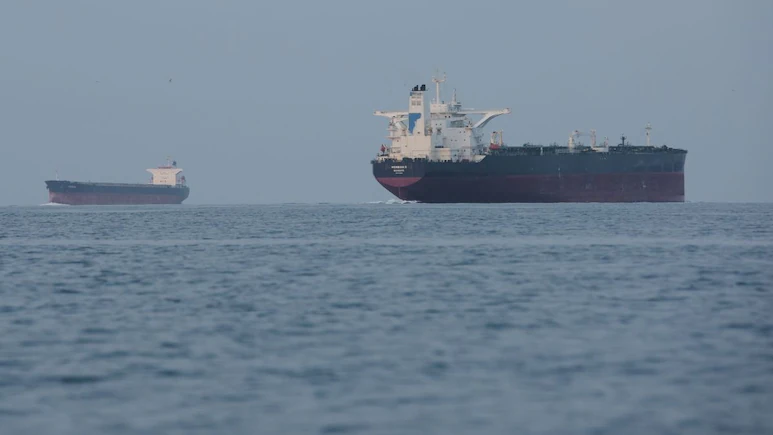
The prisoners include dozens of workers from the Venezuela state oil company PDVSA, many arrested at their workplace as long ago as 2024, accused of smuggling and trafficking of oil -- a strategic asset.
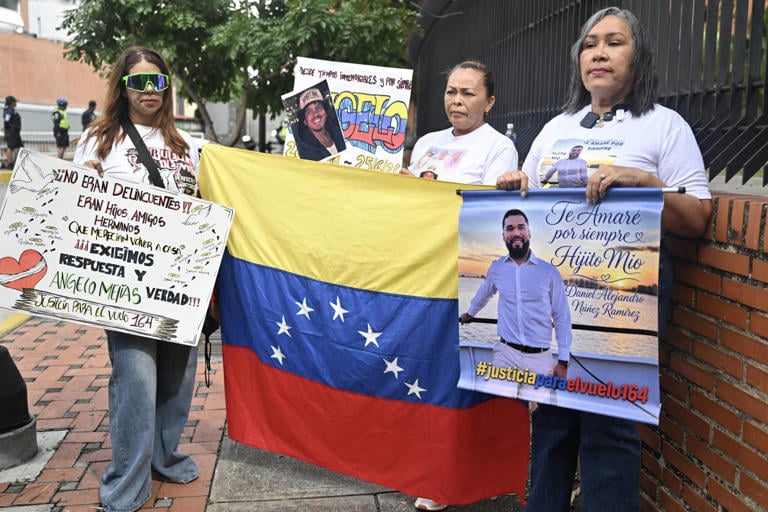
Their families denied the charges against the workers at a rally pleading for their release Wednesday, chanting: "They're not terrorists, they're professionals!"
The authorities have never formally commented on their status.
Their lawyer Zimaru Fuentes said Wednesday the workers had been denied their basic right to a legal defense.
Their families hope the PDVSA workers, too, will benefit from the amnesty that is meant to apply retroactively to 1999.
Meanwhile, a prominent Venezuelan oil expert with dual US nationality, has been released after spending four days in detention, the prosecutor's office said Wednesday.
Evanan Romero, 86, worked as a consultant for international oil companies and an adviser on the subject for opposition leader Maria Corina Machado.
He was arrested on February 13 "for the crimes of fraud and criminal association," according to the prosecutor's office.