Monday
10 August, 2026
News Flash
News Flash
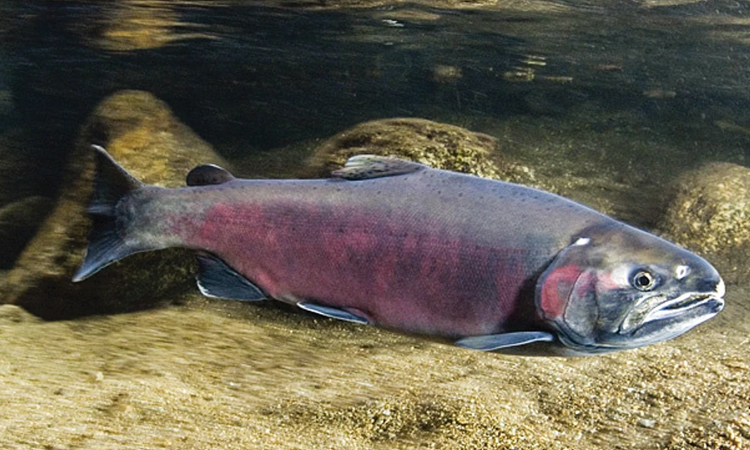
SAN FRANCISCO, United States, Jan 27, 2026 (BSS/AFP) - A federal court in San Francisco began hearing a case Monday brought by fishermen against tire companies over a chemical additive which plaintiffs allege can be deadly to endangered salmon.
Bridgestone, Michelin, Pirelli and 10 other tire manufacturers in the United States are facing off in court against the Institute for Fisheries Resources and the Pacific Coast Federation of Fishermen's Associations, who are represented by the environmental group Earthjustice.
Plaintiffs argue that usage of the additive 6PPD can devastate coho salmon and other fish populations who live off the coasts of California and Alaska.
The suit charges that the use of the additive constitutes an illegal "taking" under the US Endangered Species Act, affecting 24 populations of coho, Chinook salmon and steelhead trout listed as threatened.
The 13 tire companies have argued that 6PPD provides an essential safety function by ensuring the integrity of tires when they come into contact with ozone and oxygen.
But plaintiffs say the use of 6PPD, when combined with ozone, produces 6PPD-quinone or 6PPD-q, which moves into waterways after storm events, with devastating consequences for fish populations.
Scientific studies published by prestigious journals have shown such substances to be damaging to fish populations, even at low doses.
6PPD-q "can kill coho salmon within hours and the chemical is largely responsible for 'urban runoff mortality syndrome,' which can kill up to 100 percent of salmon returning to freshwater streams to spawn in the Pacific Northwest before they can lay eggs," Earthjustice says on its website.
On Monday, researcher Edward Kolodziej testified before US Judge James Donato that just one automobile could do tremendous damage.
A car contains four tires with enough of the chemical that, after interacting with ozone, could produce enough to 6PPD-q to kill more than 11 million salmon, said Kolodziej, whose testimony followed video of a salmon flailing in the water in distress.
Countering that testimony were remarks from scientist Tiffany Thomas of consultancy Exponent, who told the court that the findings presented by plaintiffs' scientists were based on laboratory conditions rather than real life and therefore were "limited and speculative."
Concentrations of 6PPD-q found in waterways are well below lethal doses, according to Thomas.
Tire companies maintain, further, that there is no substitute for 6PPD, adding that other possible options would have worse environmental impacts.
Hearings in the case will continue on Wednesday and Thursday with further testimony from scientists. A ruling is expected at a later time.
Beyond the California case, the European Chemicals Agency is also weighing potential restrictions on 6PPD in tires.