Monday
10 August, 2026
News Flash
News Flash
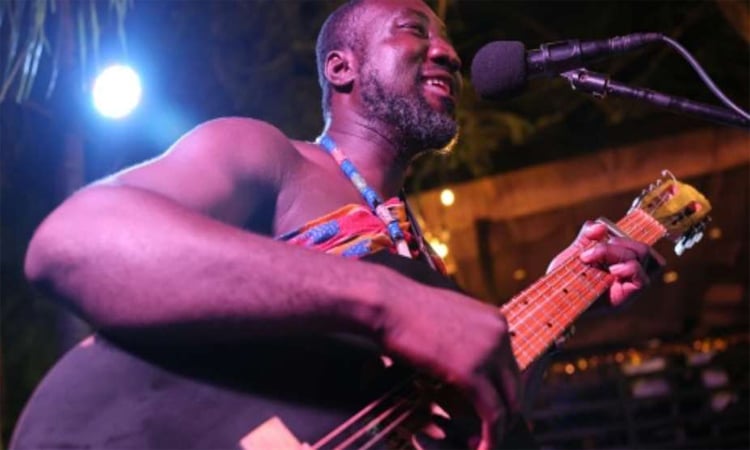
ACCRA, Jan 9, 2026 (BSS/AFP) - On a humid Tuesday night in Accra, Zen Garden
is alive with sound, movement and memory as Highlife melodies spill into the
open air, drawing families, friends and office workers who sway long past
midnight as if the weekend has come early.
Under soft lights, the four young men of the Kwan Pa band strike layered
guitar lines and lilting rhythms, their live performance pulling cheers and
applause from a crowd visibly elated, white handkerchiefs twirling above
heads as revellers dance, sing along and clink glasses between bites of food.
"It's like therapy," one patron said, laughing as couples glide across the
floor and strangers dance together, united by a sound that has shaped
Ghanaian life for generations.
That charged ambience has taken on new meaning after Ghana's famed Highlife
music was inscribed recently on UNESCO's Intangible Cultural Heritage list, a
major international recognition of one of west Africa's most influential
musical traditions.
UNESCO announced the decision on December 10, describing Highlife as a
"monumental expression of Ghana's musical genius, culture, and global
influence", honouring generations who have preserved and adapted the genre
since the early 20th century.
For Asah Nkansah, leader of the Kwan Pa band -- whose name means "the right
path" -- the timing is symbolic.
"This news is just great," Nkansah told AFP. "If you trace the origin of
Highlife music, we can trace it to September 1925. And so, this year, 2025,
we are celebrating 100 years of Ghanaian Highlife music."
At Zen Garden, that century-old tradition feels anything but distant. The
band's palm-wine-infused Highlife sets prompt spontaneous dancing, with
patrons singing lyrics from memory and cheering solos deep into the night.
"Highlife talks about almost everything, passion, love, social and
everything," Nkansah said.
"Highlife Music naturally has what we call content... it is not music for
music's sake."
- Highlife influenced Afrobeats, hiplife -
UNESCO's listing places Highlife among the world's protected cultural
treasures, a move expected to boost Ghana's cultural standing and encourage
investment in music preservation, tourism and the creative arts.
Highlife's layered guitars, horn sections and storytelling have shaped
national identity for more than a century, popularised by legends such as
E.T. Mensah, Nana Ampadu, Paapa Yankson, A.B. Crentsil, Osibisa, Amakye Dede
and Kojo Antwi, and influencing later movements including hiplife and
Afrobeats.
For fans like Selina Doade, the appeal is deeply personal.
"Highlife music, for me as a Ghanaian, it tells our story. It touches on
every aspect of our society," she told AFP.
"When you are down, when you are happy, when you need inspiration, Highlife
music talks to you."
Band leader Nkansah believes younger audiences can be won over through
creativity.
"We need to make a conscious effort to make them love our sound," he said.
"We will pick the songs the young ones love... then we bring the same melody
onto our palm-wine rhythms... by so doing, we are giving them the taste of
Highlife."
He rejects claims the genre is fading. "Highlife is not dying, in my
opinion," Nkansah said.
"There will be some highs and lows... I think we are rising."
At a national level, UNESCO officials see Highlife as a living heritage
rather than a relic.
"It's a reflection of the way of life of we Ghanaians," said professor Osman
Damba Tahidu, secretary-general of the Ghana Commission for UNESCO.
"It is not just a museum relic, but a living product."
"When it comes to sports, it goes with Highlife. When it comes to funerals,
it goes with Highlife... even food and festivals, it goes with Highlife,"
said Tahidu.
Back at Zen Garden, as midnight approaches, the crowd shows no sign of
leaving.
Handkerchiefs wave again, laughter rises, and Highlife carries on -- rooted
in the past, dancing confidently into the future.