Sunday
19 April, 2026
News Flash
News Flash
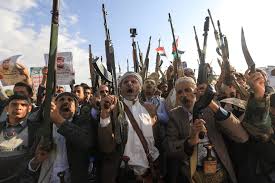
MUSCAT, Oman, Dec 23, 2025 (BSS/AFP) - Yemen's Iran-backed Houthi rebels and its internationally-recognised government have agreed to a prisoner swap that includes nearly 3,000 people in total, including seven Saudis, officials from both sides said Tuesday.
The breakthrough deal came after nearly a fortnight of discussions between Yemeni officials from both sides in Muscat, the capital of neighbouring Oman, a key mediator in the conflict that has lasted for over a decade.
Majed Fadhail, a member of the government delegation for the prisoner swap talks, said they had agreed with the Houthis on a new exchange that would see "thousands" of war prisoners released.
Abdulqader al-Mortada, a negotiator with the Houthi delegation, said in a statement on X that "we signed an agreement today with the other party to implement a large-scale prisoner exchange deal involving 1,700 of our prisoners in exchange for 1,200 of theirs, including seven Saudis and 23 Sudanese".
Two of the seven Saudi nationals are air force pilots, Fadhail told AFP, adding that Mohamed Qahtan would also be among the released.
Qahtan, a prominent Sunni Islamist leader aligned with the government, has been held by the Huthis since 2015.
No timeline or details were shared about the date of the exchange or following steps.
United Nations Special Envoy for Yemen Hans Grundberg in a statement welcomed the agreement as "a positive and meaningful step that will hopefully ease the suffering of detainees and their families across Yemen".
But he said its "effective implementation will require the continued engagement and cooperation of the parties, coordinated regional support and sustained efforts to build on this progress toward further releases".
Yemen's Houthi rebels control the capital Sanaa and much of the north, which includes most population centres, while the internationally-recognised government holds much of the south.
The war has since 2015 pitted the Iran-backed rebels against a Saudi-led coalition backing the government.
The conflict has been effectively frozen since a UN-brokered ceasefire in 2022, which has held despite expiring.
But talks to bring the conflict to a formal end have yet to result in a deal.
The conflict in Yemen has killed hundreds of thousands of people directly or indirectly, with large numbers taken as prisoners on both sides.
A reconciliation deal between the warring parties' main foreign patrons, Riyadh and Tehran, in early 2023 saw nearly 900 prisoners released in April that year.