Sunday
23 August, 2026
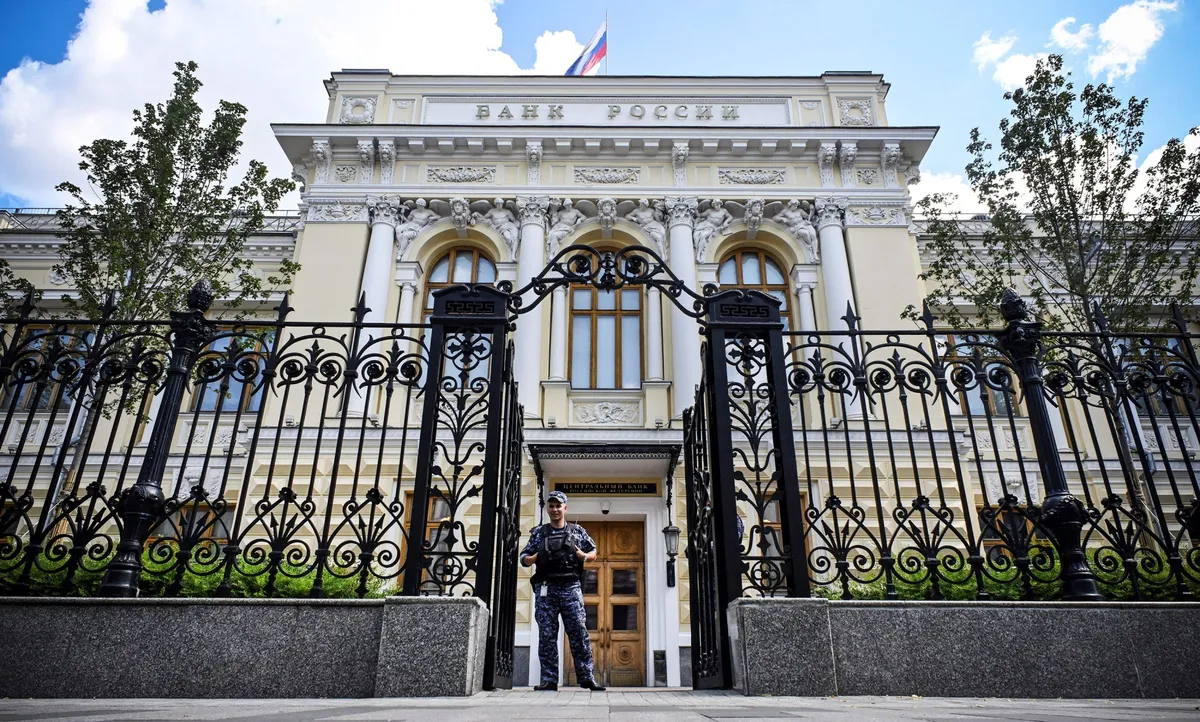
MOSCOW, Dec 12, 2025 (BSS/AFP) - Russia's central bank on Friday said it was suing the Belgium-based Euroclear financial group, which holds Moscow's frozen international reserves, as the EU moves closer to using the funds to support Ukraine.
The European Commission is pushing to tap some 200 billion euros ($232 billion) of the Russian central bank's assets that the bloc immobilised after Moscow's 2022 assault on Ukraine, in order to provide Kyiv a financial lifeline.
The EU is determined to reach a final deal at a summit next week, but faces resistance from Belgium, which as the home of Euroclear fears retribution from Moscow.
On Friday, Russia's central bank said it was filing "a lawsuit against Euroclear in the Moscow Arbitration Court" due to what it called "the illegal actions" of the institution.
"The actions of Euroclear depository caused damage to the Bank of Russia due to the inability to manage funds and securities belonging to the Bank of Russia," the bank said in a statement.
It did not say if the lawsuit has already been filed nor elaborate on the nature of the damages.
It was also unclear what the implications of any Russian-based legal claim would be.
G7 countries have already used the interest earned on the frozen assets to fund a $50-billion loan for Ukraine.
Russia has long decried the freezing of the assets as illegal and said any further steps to directly use the money would be theft.
Euroclear declined to comment directly on the lawsuit announced Friday.
A spokesman for the clearing house noted however that Euroclear is "currently fighting more than 100 legal claims in Russia."
EU leaders have already pledged to keep Kyiv afloat next year, and officials are determined to reach an agreement on where the money should come from at their December 18-19 summit.
Under the complex scheme proposed by the EU, Euroclear would loan the money to the EU, which in turn loans it to Kyiv.
The funds would only be paid back by Ukraine if and when Russia compensates Kyiv for the destruction it has wrought.
On Thursday, the bloc's member states lifted a key hurdle by agreeing on a way to keep the funds frozen as long as required, without need for renewal every six months.