Saturday
18 April, 2026
News Flash
News Flash
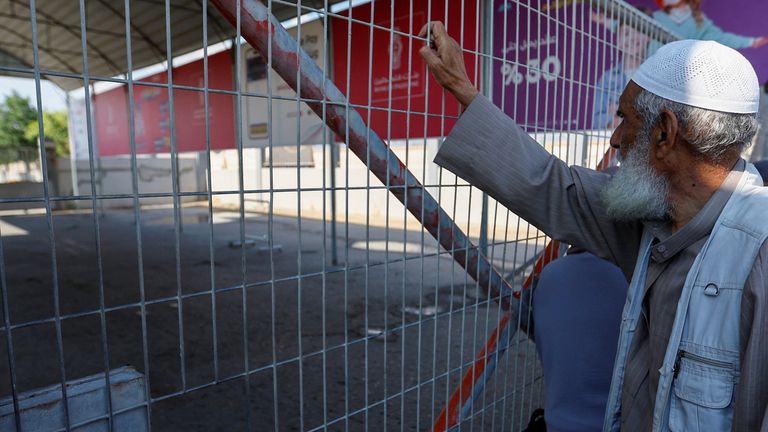
JERUSALEM, Dec 3, 2025 (BSS/AFP) - Israel said on Wednesday it would open the Rafah crossing from Gaza to Egypt to allow residents to exit the Palestinian territory "in the coming days," but Egypt denied such a deal with Israel.
"In accordance with the ceasefire agreement... the Rafah Crossing will open in the coming days exclusively for the exit of residents from the Gaza Strip to Egypt", COGAT, the Israeli defence ministry body that oversees civil affairs in the Palestinian territories, said in a statement.
But Egypt swiftly denied that it had agreed a deal, insisting that the key crossing be opened in both directions.
"If an agreement is reached to open the crossing, it will be in both directions, to enter and exit the Gaza Strip, in accordance with the plan of US President Donald Trump," the state information service said in a statement, quoting an official Egyptian source.
Israel's COGAT added that the crossing would operate under the supervision of the EU's Border Assistance Mission, "similar to the mechanism that operated in January 2025", when the crossing was briefly opened during a six-week truce.
Two European diplomatic sources told AFP they had originally been preparing for the crossing's opening for pedestrians on October 14 after a similar announcement, before the opening was delayed.
Reopening the Rafah crossing is a part of Trump's peace plan for the Palestinian territory, as well as something UN agencies and other humanitarian actors have long called for.
- 'Insufficient' -
Egypt regularly calls for the crossing to be opened to humanitarian aid, in accordance with the US-brokered plan.
Convoys stationed on the Egyptian side of the border continue to pass through the nearby Israeli crossing at Kerem Shalom.
But while the agreement provided for some 600 lorries per day to be allowed through, "UN data puts that number at just over 100 per day," United Nations sources in Cairo said.
"The vast majority of cargo entering is food, while essential goods like tents and medical equipment are still denied or face significant delays."
The sources added that while about half of Gazan households reported better access to food in November, overall food access remains "insufficient" throughout the territory, according to the World Food Programme.
The Israeli army took control of the Palestinian side of the crossing in May 2024, claiming that it was being "used for terrorist purposes", with suspicions of arms trafficking.
It was briefly reopened during the ceasefire between Israel and Palestinian militant group Hamas that took effect on January 19, initially allowing the passage of people authorised to leave Gaza, and later of trucks.
The Rafah crossing is a crucial entry point for humanitarian workers and for lorries transporting aid, food and fuel, which is essential for daily life in a territory deprived of electricity.
For a long time, the crossing was the main exit point for Palestinians from Gaza who were authorised to leave the narrow strip of land, which has been under Israeli blockade since 2007.