Sunday
10 May, 2026
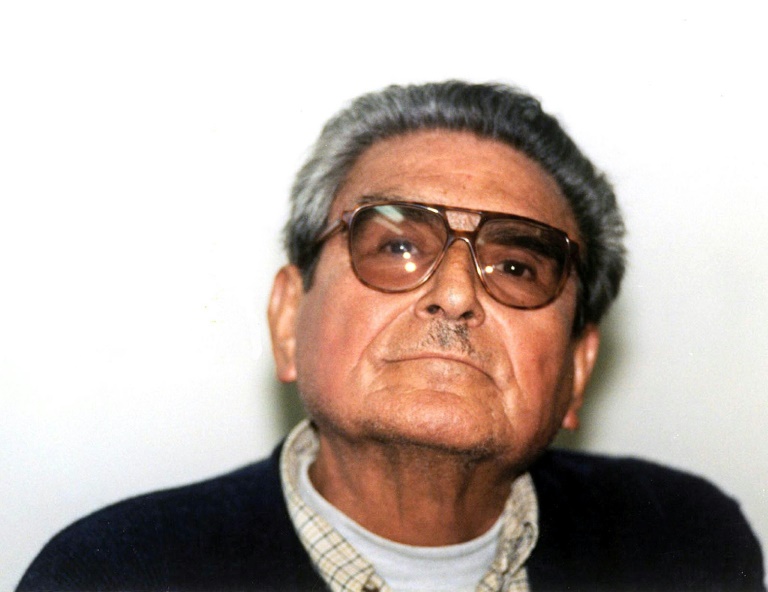
LIMA, Sept 12, 2021 (BSS/AFP) - Abimael Guzman, the historic leader of
Peru's Maoist Shining Path guerrillas -- blamed for one of the bloodiest
insurgencies in Latin America -- died Saturday in a military prison at the
age of 86.
Guzman had been serving a life sentence in the maximum security prison at
the Callao naval base near Lima.
His lawyer Alfredo Crespo said the navy had confirmed the death and
informed Guzman's wife, Elena Iparraguirre, who herself is serving a life
sentence for terrorism in a different Lima prison. Guzman was captured in
1992.
A prison statement said he died early Saturday from "complications in the
state of his health." It provided no details.
"Terrorist leader Abimael Guzman has died, responsible for the loss of
countless lives of our fellow citizens," President Pedro Castillo said in a
tweet.
- 70,000 dead or disappeared -
Guzman, a former philosophy professor, was considered the intellectual
architect behind the Maoist group's brutal, 20-year attempt to overthrow the
Peruvian government from 1980-2000.
That conflict -- in which Guzman hoped to impose the Marxist model of his
icon, Mao Zedong, on Peru -- claimed 70,000 lives, either dead or
disappeared, according to the country's Truth and Reconciliation Commission.
Guzman, Peru's most famous prisoner, had been due to be transferred to a
civilian prison in the coming months.
He embraced not just Maoism but also the brutal methods of Cambodian
dictator Pol Pot, earning a reputation as a hardened revolutionary prepared
to order the massacre of an Andean village to punish it for refusing to
support him.
That massacre in 1984 in a village called Soras left 117 people dead.
In a 2006 trial, a different side of Guzman was revealed when his erstwhile
lieutenant Oscar Ramirez accused him of being a "coward," unable to pull the
trigger of a gun.
"A coward, an alcoholic and a crybaby," said Ramirez, whose radical faction
of the Shining Path continued fighting even after Guzman's capture.
- Trading books for bombs -
In the 1960s, Guzman left his philosophy chair at San Cristobal de Huamanga
university, in Ayacucho, to create his own party.
Guzman developed a fanatical following, particularly in poverty-stricken
parts of the Andes, committed to his brutal brand of Marxism.
In 1979, he went into hiding and announced that conditions were ripe for
revolution.
On May 17, 1980, he traded his books for dynamite -- symbolically setting
fire to ballot boxes in an Andean town on the eve of the country's first
democratic election after 12 years of military rule.
The Shining Path, while never fully defeated, is now believed to consist of
just a few hundred members.
Out on the streets of Lima, some welcomed the news of Guzman's death.
"To be honest, I am pleased, because how many people died at his hands?"
Nelida Carbajal, who runs a street stall, told AFP.
"It is good news because paying for his upkeep all this time means Peru is
spending money on someone who has done so much harm," she said.
Bryan Fermin, 31, said, "I am not sad that he has died."
"Let us hope that his death at least puts to rest this way of thinking that
he led, which brought so much malice to this country," Fermin said.