Monday
31 August, 2026
News Flash
News Flash
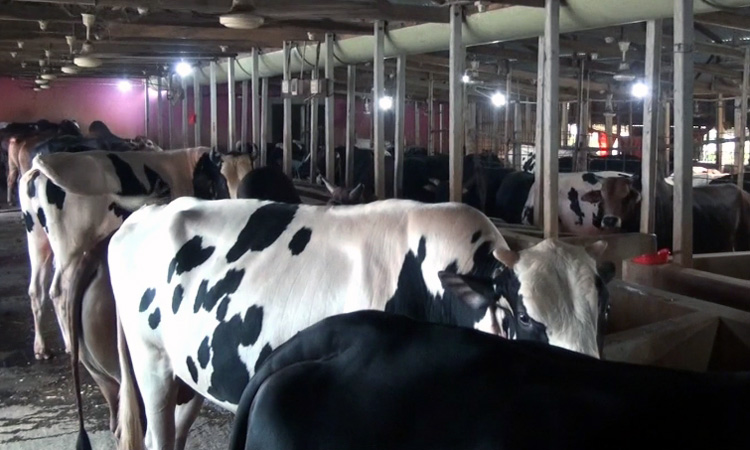
SIRAJGANJ, May 14, 2026 (BSS)- As the holy Eid-ul-Azha draws near, the spirit of sacrifice has spread across the rural areas of Sirajganj, where cattle farmers are now spending busy days preparing animals for the upcoming Qurbani markets.
According to the District Livestock Department, a total of 617,723 sacrificial animals have been prepared in the district this year, far exceeding the local demand of 293,676 animals. Officials said that after meeting local needs, around 324,000 surplus animals will be supplied to markets in different parts of the country.
Farmers said they have raised cows, goats and sheep with great care and without using harmful drugs or hormones despite rising feed and production costs. They expressed hope for good sales during this Eid season.
“We have fattened the cattle using indigenous and natural methods in a healthy environment,” said Haji Abdus Sattar, Director of Chaya Moni Dairy Farm. “The animals are receiving regular care and nutritious feed every day. We want to provide buyers with safe, healthy and quality sacrificial animals.”
Field visits to different farms in the district revealed that farmers are feeding animals with khoil, husk and green grass while maintaining clean and hygienic conditions. Buyers have already started visiting many farms to inspect animals ahead of Eid.
The Livestock Department said that among the prepared animals, there are 199,924 cows, 365,850 goats and 47,724 sheep. Shahjadpur, Ullapara and Sirajganj Sadar upazilas recorded the highest production rates this year.
District Livestock Officer Dr. A.K.M. Anwarul Haque said veterinary medical teams have been deployed at 37 permanent and temporary cattle markets across the district to ensure safe meat production and proper animal health management.
“The district and upazila livestock departments are working actively to meet the challenges during Eid-ul-Azha,” he said. “This year, local demand for sacrificial animals will be fully met through locally raised cattle produced using natural and indigenous methods.”
Farmers also urged authorities to control the entry of Indian cattle through border areas, saying it would help local farmers receive fair prices and strengthen the domestic economy.