Tuesday
04 August, 2026
News Flash
News Flash
MADARIPUR, Feb 27, 2026 (BSS) - Illegal electric shock fishing has taken a
devastating turn in Shibchar upazila of the district, posing a severe threat
to the region's fisheries and aquatic biodiversity.
The prohibited practice, centered in the Padma River, Arial Khan River, and
the Bil Padma area, is resulting in the indiscriminate destruction of fish
fry, eggs, and various aquatic species, pushing the local ecosystem toward a
major crisis.
Local sources indicate that the illegal trade is highly organised, with at
least 10 to 15 active syndicates operating across the Madborer Char,
Kathalbari and Char Janajat unions.
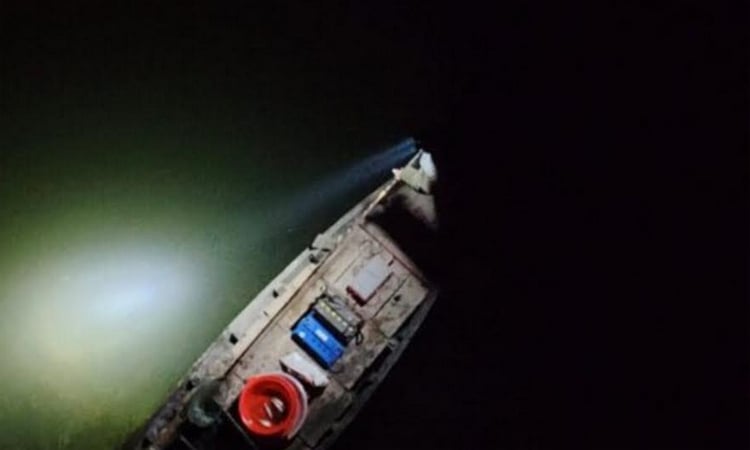
These groups utilize specialized equipment, outfitting fishing boats with
power inverters, high-capacity batteries, and long electric wires.
By dropping these wires into the water to conduct electricity, they instantly
render both large and small fish unconscious, causing them to float to the
surface for easy collection.
This indiscriminate process not only kills target fish but also destroys
beneficial aquatic organisms and the surrounding micro-environment,
effectively halting the natural breeding cycle.
The syndicates maintain a strategic operational schedule to evade detection,
scouring the rivers and wetlands throughout the night.
The catch is then transported and sold at various warehouses and markets in
Madborer Char and Pachchar before dawn, allowing the perpetrators to
disappear before daylight.
On average, each boat harvests 8 to 12 kilograms (Kg) of fish daily, the
majority of which consists of fish fry and small indigenous species.
The prevalence of electric shock fishing has left traditional fishermen in a
state of despair. Those who rely on conventional methods, such as the use of
traditional nets, report that it is becoming nearly impossible to find fish
in the rivers.
Local residents and fishermen expressed deep concern that if this trend
continues, native fish species face a high risk of extinction, threatening
the long-term food security and livelihoods of the community.
Efforts to curb the practice are reportedly stymied by systemic challenges
and patronage from influential circles.
Local residents, speaking on condition of anonymity, alleged that these
syndicates operate under the protection of powerful individuals.
This patronage often results in information leaks; when authorities plan
raids, the perpetrators frequently receive advance warning and flee the
scene, leaving law enforcement to arrive at empty waters.
Shibchar Upazila Senior Fisheries Officer Satyajit Majumdar acknowledged the
gravity of the situation.
"We have information regarding fish hunting through the electric shock
method," he stated.
He noted that while several raids have been conducted, the involved parties
managed to escape before they could be apprehended.
However, he emphasized that surveillance has been increased and strict legal
action will be taken soon.
Conscious quarters of the community have called for immediate and decisive
intervention to prevent Shibchar's water bodies from becoming fishless.
Local residents emphasized that without regular raids, rigorous monitoring of
markets, and the delivery of exemplary punishment to those engaged in these
illegal activities, the region's vital aquatic resources and natural balance
will be permanently destroyed.