Tuesday
04 August, 2026
News Flash
News Flash
By Md Mamun Islam
RANGPUR, Feb 25, 2026 (BSS) - The re-excavated Bharardaho Beel, with its lush
green gardens, beautiful natural scenery around the 11.59-acre wetland, and
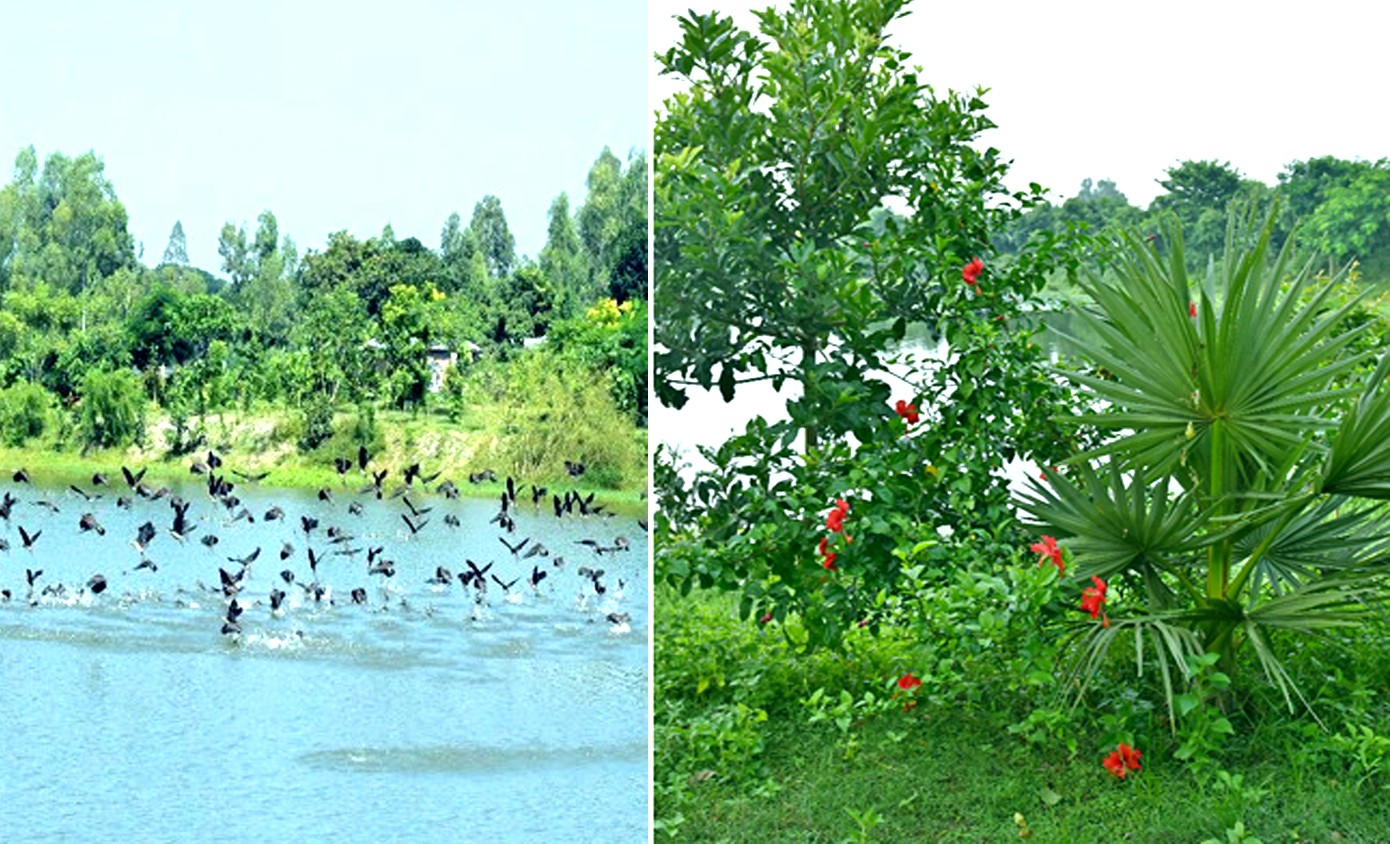
thousands of guest and local indigenous birds, is captivating visiting
tourists and local people.
Many people are visiting the water body on the outskirts of Badarganj
Municipality in Rangpur district to enjoy the revived ecosystem, biodiversity
and breathe in the improved environment and beautiful and natural beauty.
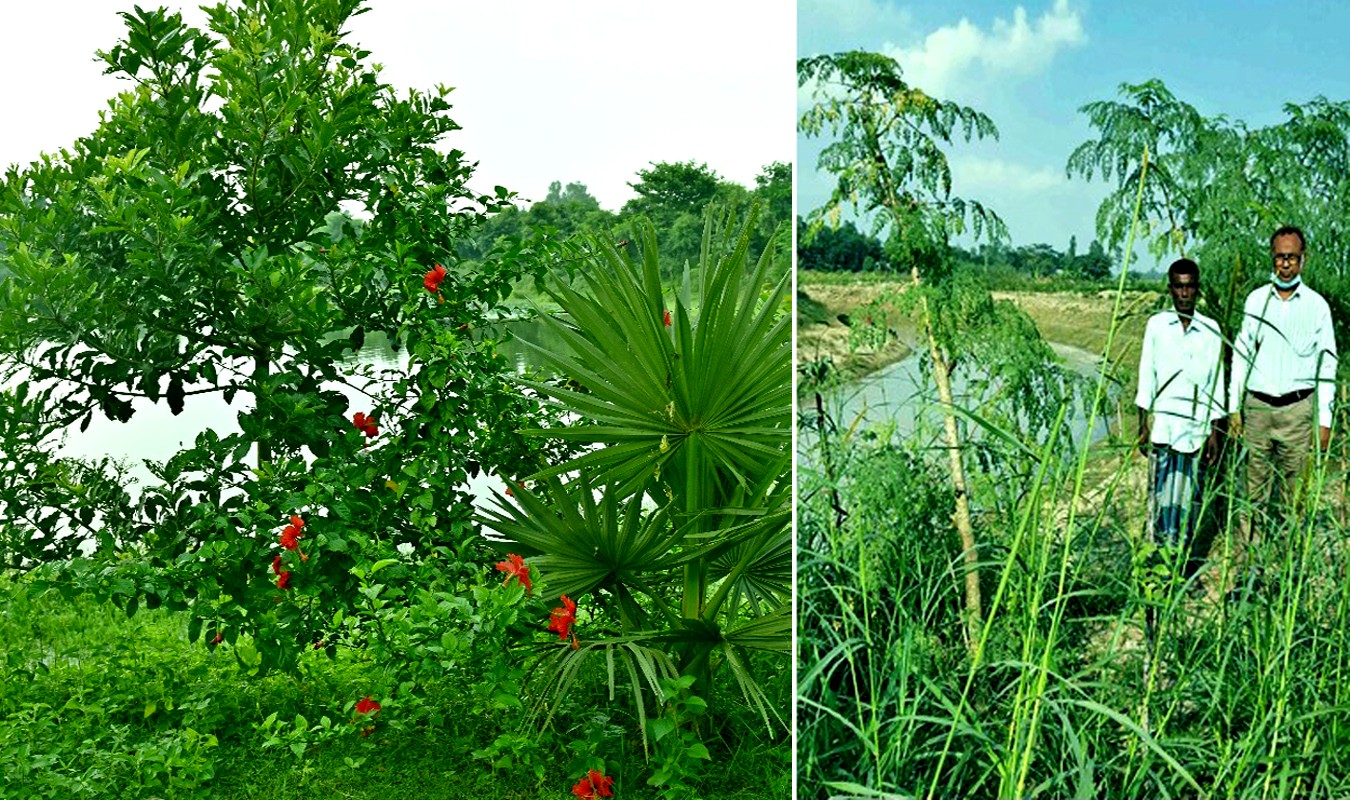
As many as 213 rare species of plants have created a luxurious garden with
green spaces and incredible natural scenery around the Beel, making it a
sanctuary for migratory and endangered native birds, fish, animals and
insects and a tourist attraction.
This natural beauty has been created by re-excavating the 11.59-acre wetland
Bharardaho Beel four years ago and planting rare species of timber, fruit,
medicinal and flowering plants on its wide banks.
Barind Multipurpose Development Authority (BMDA) has re-excavated the Beel
under its just implemented five-year (2019-2025) 'Expansion of irrigation in
greater Rangpur district through best uses of surface water and conservation
of rainwater (EIR) project'.
After re-excavation, BMDA has planted more than 6,500 saplings of 213 rare
species of timber, fruit, medicinal and flowering plants on its 100 feet wide
bank, which has actually turned Bharardaho Beel into a natural picturesque
and spectacular garden of revitalised ecosystem.
Visiting students Jahanara Begum and Anwar Hossain said the re-excavated
Bharardaho Beel has revived the lost ecosystems bringing back balance in
nature to become a dazzling symbol of natural beauty with a delightful look.
They suggested replicating the success achieved in reviving the ecosystems
through re-excavation of the Bharardaho Beel in other extinct water bodies
across the country to adapt to adverse impacts of climate change.
Visiting couple Mohammad Amin and Nur-e-Jannat from Dinajpur district said
re-excavation of the Bharardaho Beel has turned it into a sanctuary for local
species of extinct fishes, birds and migratory birds.
"Once you visit Bharardaho Beel, you will never want to come back. The Beel
has literally become an eco-park and a sanctuary for birds and endangered
species of native fish, aquatic plants, flora and fauna in a developed
ecosystem," said Mohammad Amin.
Talking to BSS, EIR Project Director and BMDA's Superintending Engineer Md
Habibur Rahman Khan said people are enjoying the stunning fascination of the
re-excavated Beel with greenery, flora and fauna, guest birds and their
gracious flying.
"Common people of all ages, students from various schools, colleges and
universities and government officials, couples and youth are visiting the
Beel, which has already become a tourist attraction in Rangpur region," he
said.
The planted rare species of trees on the banks of Bharardaho Beel include
Nageshwar, Naglingam, Hijal, Tamal, Kaizelia, Ashok, Gorjan, Agar, Camphor,
Dhup, Telsur, Nishinda, teak, sea grape, joyfal, saffron, palm, date, jamrul,
sharifa, safeda, Fig, Tin, Mahua, Agnishikha, Jarul, Chatim, Kadam and so on.
In addition to thousands of guest birds, endangered indigenous birds like
Khanjana, Moutusi, Chatak, Jalmayur, Sarali, Pati Sarali, Pankauri,
Fishranga, Finge, Shalik, Doel, Dove, Buck, Dahuk, Cuckoo, Bau Katha Kao,
Chokhgelo, Owl, Bulbuli, Saheb Bulbuli, Chhatare, Basant Bauri, Sparrow,
Forest Sparrow, Phatik Jal, Loriyati, Tea Bird are seen lavishly in the Beel.
Besides, endangered animals like foxes, wood cats, rats, squirrels, various
types of reptiles and aquatic animals are seen in a large number there.
Habibur Rahman Khan said, "The extinct species of trees, birds and animals in
the same place have not only beautified the Bharardaho Beel, but also turned
it into a unique center for conducting research work by researchers, teachers
and students."
Director of Riverine People and Begum Rokeya University Professor
environmentalist Dr Tuhin Wadud said that when native species of fish,
insects, birds and animals are becoming extinct due to climate change, the
re-excavated Bharardaho Beel is reviving the ecosystem.
"The botanical garden-like Bharardaho Beel campus has become a sanctuary for
migratory and local birds, indigenous small fish, insects, small snails,
algae, moss, aquatic plants and other stemless aquatic plants to capture
people's hearts," he said.