Saturday
11 July, 2026
News Flash
News Flash
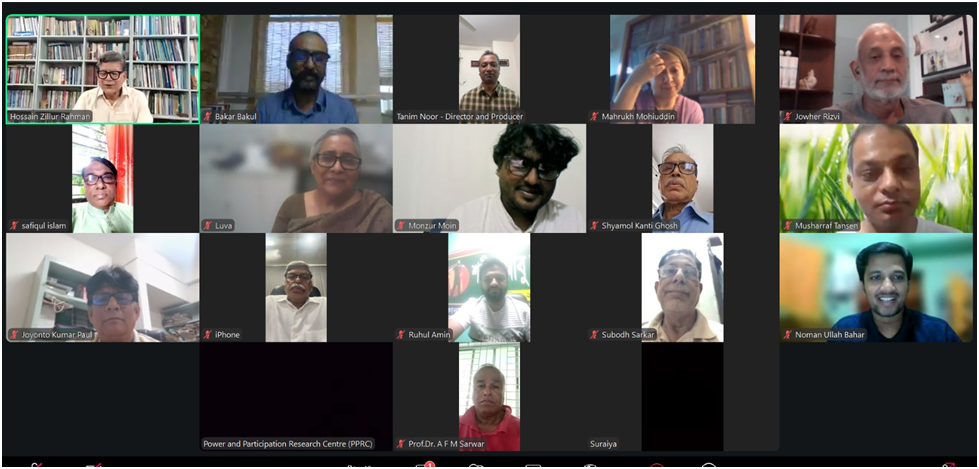
DHAKA, July 11, 2026 (BSS) - Experts today said Bangladesh must bring about a fundamental shift in mindset, develop a supportive policy ecosystem and set measurable performance benchmarks to transform the country's creative industries into a major driver of economic growth.
They made the observations at the latest episode of Ajker Agenda, organized by the Power and Participation Research Centre (PPRC), titled "Creative Economy: Slogan or Untapped Potential?", said a press release.
The discussion comes as the government has earmarked Tk 800 crore for the creative economy in the FY2026-27 budget, including Tk 300 crore in direct allocation and Tk 500 crore through Bangladesh Bank's CSR fund.
The initiative aims to increase the sector's contribution to GDP, generate employment for around 500,000 people, and establish a "Created in Bangladesh" brand across industries such as film, music, publishing, digital content and design.
Moderating the discussion, PPRC Executive Chairman Dr. Hossain Zillur Rahman said Bangladesh's creative economy requires a comprehensive policy ecosystem rather than isolated interventions.
"A one-dimensional infrastructure approach will not take us forward. We need quality infrastructure backed by sustainable management models through public-private partnerships," he said.
He stressed that taxation policy, royalty-sharing mechanisms, copyright protection and licensing reforms should become national policy priorities to ensure the sector's sustainable growth.
Dr. Rahman also called on stakeholders from the creative industries to jointly prepare a strategic roadmap, saying coordinated action alongside government support would be essential to translate policy intent into tangible economic outcomes.
Filmmaker and creative entrepreneur Tanim Noor said a dedicated taxation policy, including tax incentives for the film industry, could significantly boost private investment and make Bangladeshi cinema more competitive.
Chief Executive Officer of OTT platform Chorki, Redwan Rony, highlighted the need for policy reforms to create a level playing field for domestic digital content platforms.
He said local OTT services currently pay corporate taxes while international platforms continue to earn revenue from Bangladeshi audiences without facing equivalent tax obligations.
Luva Nahid Choudhury, Director General of Bengal Foundation, said Bangladesh possesses abundant creative talent, but the supporting ecosystem needed to nurture, commercialize and scale that talent remains weak.
She urged the government to pursue structural reforms while recognizing the contributions of the wider workforce behind the creative industries.
Playwright and Creative Director of Tarua Bakar Bakul said theatre and other performing arts have long been treated as voluntary cultural activities rather than viable economic sectors.
He stressed that building a financially sustainable creative industry would require moving beyond dependence on unpaid labour.
Managing Director of UPL Mahrukh Mohiuddin described publishing as one of the country's most neglected industries, citing outdated policies, weak copyright enforcement and widespread piracy as major barriers to growth.
She also called for greater efforts to promote Bangladeshi publishing in international markets.
Managing Director of Classical Handmade Products (CHP) Md. Tauhid Bin Abdus Salam emphasized the importance of quality certification, compliance standards and branding to expand exports of Bangladeshi handicrafts and creative products.
Participants agreed that while the government's new budgetary allocation marks an important beginning, sustained policy reforms, stronger institutions and effective public-private collaboration will be crucial to unlocking the full economic potential of Bangladesh's creative industries.