BSS
  10 Jun 2026, 09:01

Battle heats up over EU carbon market reform

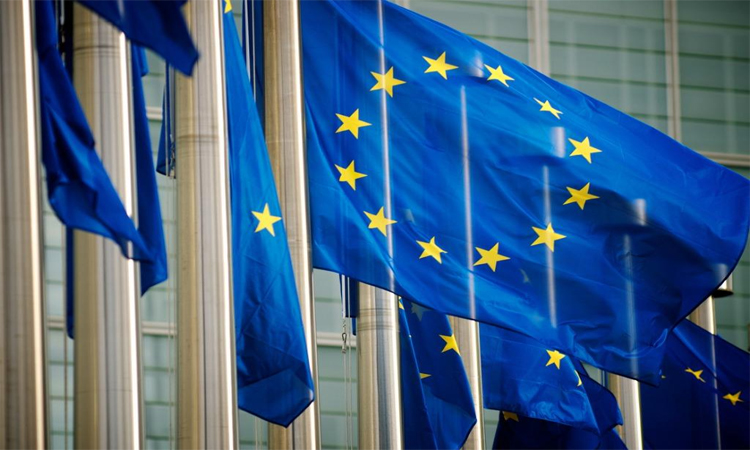
BRUSSELS, Belgium, June 10, 2026 (BSS/AFP) - With a major reform of Europe's carbon market just a month away, EU states, industry and environmental groups are locked in battle over the bloc's flagship climate tool.

The European Commission has been under intense pressure to overhaul the two-decade-old Emissions Trading System (ETS), as the 27-nation EU seeks to shore up industry while tackling high energy costs.

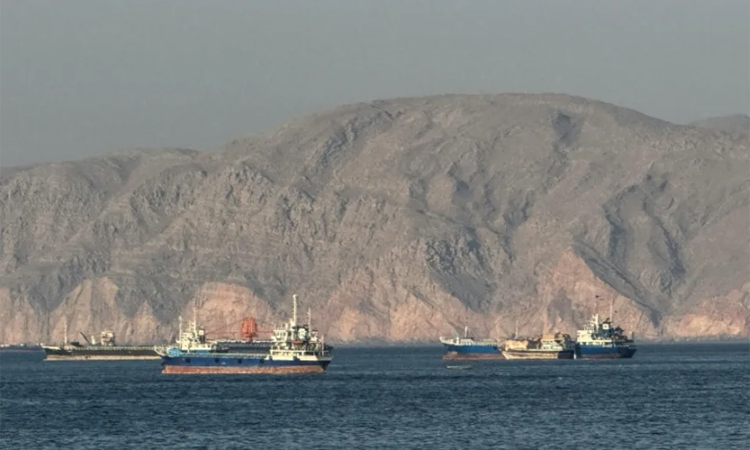
The EU executive is set to discuss the sensitive file on Wednesday, before putting forward a finalised reform proposal on July 15 -- with pressure intensifying since the Iran war sent energy prices soaring.

The commission is "really walking on eggshells," summed up Phuc-Vinh Nguyen, an energy specialist at the Jacques Delors Institute, citing "immense pressure" from industry and some member states on the issue.

- How does Europe's carbon market work? -

Since 2005, the EU's carbon trading system has sought to tackle climate change by curbing pollution from power producers and energy-intensive industries such as steel, cement and chemicals.

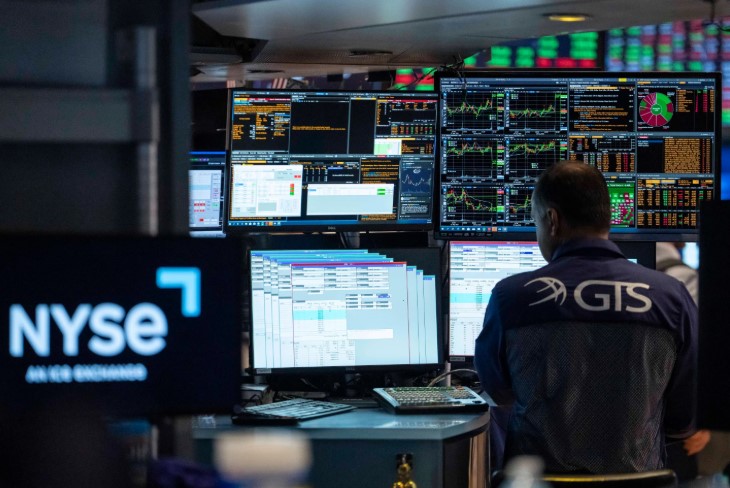
The ETS forces heavy polluters to pay for the greenhouse gases they emit, obliging them to buy allowances that are capped in number, sold in auctions and tradeable.

The price of a tonne of carbon dioxide varies, currently standing at around 75 euros, while the total number of permits shrinks over time to encourage emission cuts.

To support the transition, companies receive some free allowances, but these are gradually reduced and were initially due to disappear by 2034 -- a key point of contention in the current debate.

- Why reform now? -

The ETS system was already scheduled for review, but the July overhaul has become a political flashpoint.

Caught between the United States and China, the EU has shifted to a more pro-business stance since the start of Commission chief Ursula von der Leyen's second mandate in 2024 -- prompting a rollback of key environmental rules that marked her first term.

In that context, large segments of European industry -- notably Germany's chemical sector -- have turned on the carbon trading scheme, accusing it of pushing up electricity prices and symbolising EU bureaucracy.

Among EU member states, Italy under Prime Minister Giorgia Meloni has been most vocal in calling for the system to be suspended pending far-reaching reform.

Several of the EU's most carbon-intensive countries, from the Czech Republic to Poland, have long been critical of the system.

"ETS is not a religion -- it's a regulatory tool," said a senior Polish official, arguing for extending free allowances or capping carbon prices.

By contrast, countries from Scandinavia to Spain continue to strongly defend the ETS scheme.

Between the two camps, EU heavyweights Germany and France are beginning to call for "tailor-made adjustments", according to Nguyen.

- What to expect in July? -

The commission is expecting to propose greater flexibility for industry, but under conditions.

This could mean free allowances being phased out more slowly and extended beyond 2034, provided companies commit to long term decarbonisation.

The EU has to decide whether to extend the scheme to cover the waste sector and international flights departing from the bloc -- a move strongly opposed by airlines.

At member-state level, Brussels also wants ETS revenues channelled into decarbonising industry -- an area where performance varies widely, from frontrunners like Portugal to countries lagging far behind.

The commission has already floated several ideas aimed at reassuring industry.

One would curb price volatility by tweaking the system's stability reserve, so that all unsold permits are kept as a "buffer" rather than partly cancelled.

Another involves adjusting benchmark values for 2026-2030 -- the complex formula that determines how many free allowances companies receive -- to help shield industry from high energy costs linked to carbon pricing.

The change would effectively compensate companies for the carbon cost embedded in electricity bills by increasing the number of free pollution permits they receive, with the potential to save industry up to four billion euros by 2030.

The commission insists it has no plans to dismantle a system it touts as an inspiration for other countries.

But environmental organisations warn of a broad watering-down of the scheme.

One collateral victim could be "ETS 2" -- the planned extension of carbon pricing to road transport and building heating, which has already been pushed back from 2027 to 2028 at the request of countries including Poland and Hungary.