Thursday
27 August, 2026
News Flash
News Flash
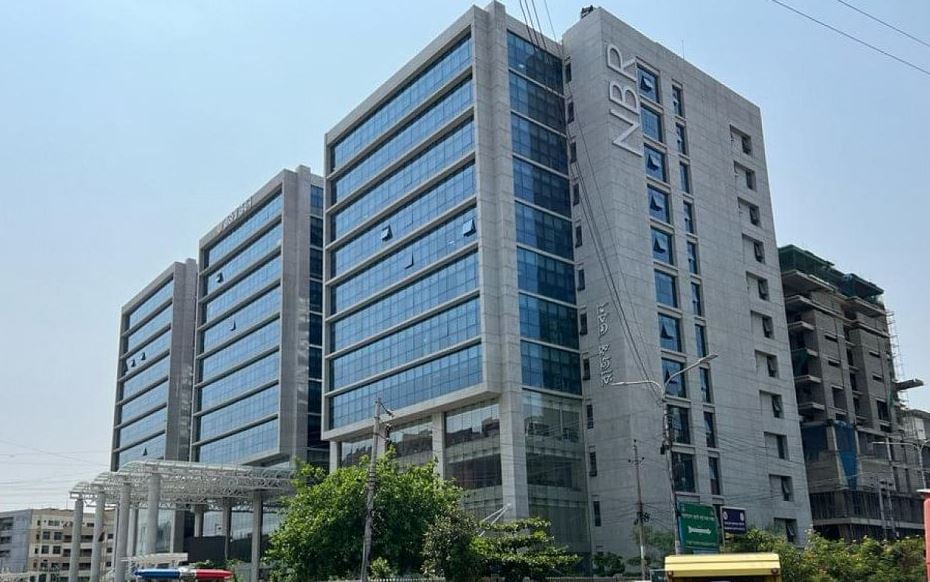
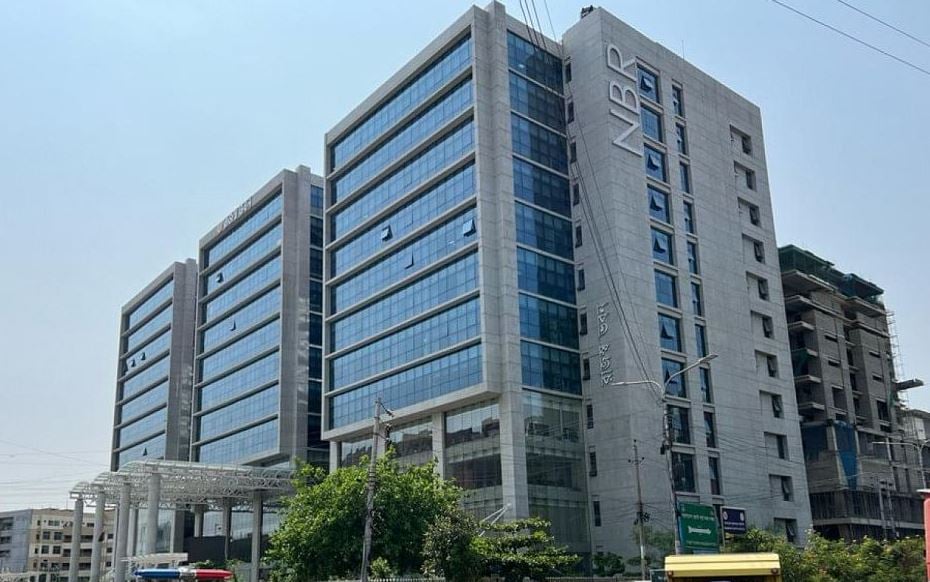
DHAKA, Jan 25, 2026 (BSS) - National Board of Revenue (NBR) Chairman Md Abdur Rahman Khan today said the revenue board is focusing on trade facilitation, faster cargo clearance and greater transparency through wide-ranging customs reforms.
“The ultimate goal is to make customs procedures simpler for compliant taxpayers while taking strict action against misdeclaration, under-invoicing and other forms of revenue leakage,” he said while speaking at a meet the press programme ahead of International Customs Day 2026 at the NBR today.
Bangladesh Customs on Monday will observe International Customs Day 2026, highlighting its evolving role in safeguarding society amid changing global trade dynamics.
Rahman said a major reform initiative is underway to bring discipline to customs valuation so that assessments are conducted primarily on invoice value. To this end, a risk-based physical examination system is nearing completion.
“If we can operationalise the software, the authority will identify high-risk consignments for verification, while low-risk goods will not require physical inspection,” he said.
The chairman said NBR is placing greater emphasis on post-clearance audit to ensure quicker release of goods from the ports. He added that testing procedures involving multiple government agencies often cause delays, and steps are being taken to streamline the process.
Under the new arrangement, laboratory samples will be collected seven days a week, while importers will be allowed to use both government and recognised domestic or foreign laboratories for testing.
He said compliant taxpayers will benefit from faster clearance, while Authorised Economic Operators (AEOs) will enjoy additional facilities, including green channel clearance and post-clearance audits.
On Monday, NBR will issue licences to three more Authorised Economic Operators, either as new entrants or through upgraded compliance levels, he added.
The chairman also highlighted renewed efforts to strengthen pre-arrival customs processing, noting that although the system already exists, it is not being fully utilised.
“We are working to understand why declarations are being made after goods arrive at ports, when they can be submitted earlier to save time,” he said.
NBR is also working to integrate its ASYCUDA system with port automation platforms to speed up cargo clearance further.
He said the National Single Window system has already issued around 900,000 certificates, licences and permits, with more than 80 percent processed within one hour of submission.
The chairman noted that customs bond automation has been fully implemented since January, significantly reducing paperwork and congestion at bond commissionerates. Bond-related activities can now be completed remotely from offices, he added.
NBR is also working with Bangladesh Bank to integrate commercial invoice data with customs and foreign exchange systems, which is expected to reduce valuation disputes and improve monitoring of under- and over-invoicing.
He said international market price catalogues are being procured to enable accurate assessment of import prices and detect irregularities.
On revenue trends, the chairman said Bangladesh is gradually shifting away from heavy reliance on import duties, with income tax and VAT contributing a growing share of total revenue.
“Our objective is to strengthen income tax and VAT collection, which is essential for redistribution and sustainable development,” he said.
Rahman stressed that customs administration plays a critical role not only in revenue collection but also in preventing money laundering and protecting the country from harmful imports.
Responding to questions, the chairman said import data is not confidential and will be published on the NBR website after necessary filtering to protect taxpayer identities.
He also said VAT refunds have begun under the automated system, while work is underway to introduce a fully automated income tax refund mechanism to minimise direct contact between tax officials and taxpayers.
Regarding tariff policy, he said NBR has reduced duties on essential commodities, including fruits, dates, edible oil, onions and rice, prioritising public interest over revenue considerations.
The chairman said NBR is working closely stakeholders to identify challenges and improve the system, adding that transparency and efficiency remain at the core of ongoing reforms.
With the transformation of the global economic order and international trade patterns, the functions and significance of border agencies have also undergone major changes.
While revenue collection was once the primary focus, customs administrations today play a much broader role encompassing trade facilitation, national security, environmental protection, intellectual property rights enforcement, and the prevention of smuggling and money laundering.
To underscore the multidimensional role of customs, the World Customs Organization (WCO) selects a specific theme every year. The theme for International Customs Day 2026, set by the WCO, is “Customs protecting society through vigilance and commitment.”
As a frontline border agency, Bangladesh Customs is working round the clock at seaports, land ports and airports to facilitate legitimate trade while preventing the trafficking of drugs, arms, illegal gold, unsafe food and medicines, and combating money laundering to ensure public safety.
Bangladesh Customs has strengthened cooperation with national and international agencies, including the police, Border Guard Bangladesh (BGB), intelligence agencies, Bangladesh Bank, port authorities and relevant ministries.
Internationally, cooperation is being enhanced under agreements such as the WTO Trade Facilitation Agreement (TFA), WCO Revised Kyoto Convention (RKC) and the Customs Mutual Administrative Assistance (CMAA), as well as bilateral and regional arrangements with SAARC countries, D-8 members, Türkiye, Saudi Arabia and Japan.
Tools such as the WCO’s Regional Intelligence Liaison Office (RILO) and the Customs Enforcement Network (CEN) are being used to detect and prevent smuggling.
Bangladesh Customs continues to play a significant role in the country’s socio-economic development. In the fiscal year 2024–25, customs contributed 27 per cent of the total revenue collected by the National Board of Revenue (NBR).
Measures have been taken to rationalise customs duties and taxes on essential commodities, provide tariff protection and concessions to domestic industries, facilitate exports through bonded warehouse and duty drawback facilities, address the challenges of LDC graduation, and implement intellectual property regulations to promote trade facilitation.
As part of trade facilitation efforts, Bangladesh Customs is accelerating import and export processes through modernisation and digitalisation, Rahman said.
The implementation of ASYCUDA World, integration with iBAS++, the Bangladesh Single Window (BSW) and automated risk management software has made cargo clearance faster and largely paperless.
According to the Time Release Study, around 90 per cent of consignments are cleared within a day. Initiatives such as non-intrusive inspection, post-clearance audit, Authorised Economic Operator (AEO) programme, Customs Bond Management System, e-auction and infrastructure development are further ensuring secure and efficient trade.
Through professionalism, specialised expertise, sustained cooperation with domestic and international stakeholders, and adaptive strategies, Bangladesh Customs is meeting these challenges and fulfilling its mandate, playing a vigilant role in protecting society and supporting national and global socio-economic security, the NBR said.