Monday
24 August, 2026
News Flash
News Flash
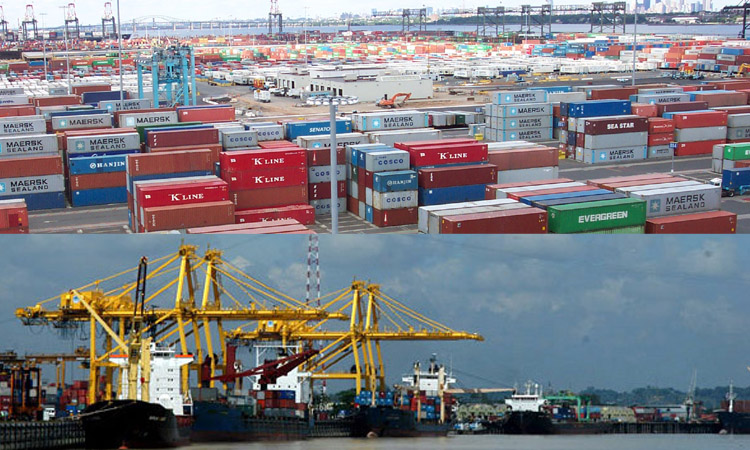
CHATTOGRAM, Jan 18, 2026 (BSS)- Unloading of goods from large ships at the outer anchorage of Chattogram sea port has come to a halt caused by shortage of lighter vessels.
This has caused concerns over the supply of daily necessities ahead of Ramadan. Over 85 ships are waiting at deep sea with around 40 lakh tons of goods, including food grains, fertilizers, and raw materials.
The shortage of lighter vessels needed for unloading of goods has led to fears of shortages and price hike during Ramadan.
According to sources from Chittagong port, as of January 15, there are a total of 108 cargo ships waiting at the outer anchorage and Kutubdia channel of Chattogram port. These ships are carrying over 4.5 million tons of goods. Among them, 17 ships are transporting approximately 1.2 million tons of Ramadan-related food products such as wheat, corn, soybeans, chickpeas, pulses, and edible oil. Additionally, five ships are carrying over 200,000 tons of sugar, seven ships are transporting fertilizer, and 25 ships are carrying cement clinker.
Ship handling Operators and Terminal Operators Association reported that each mother vessel at the outer anchorage is incurring an average demurrage of Taka 16 lakh per day.
Sources from Ship handling and Berth Operators mentioned that under normal circumstances, a mother vessel with a capacity of 50,000 tons can transfer goods to river ports and terminals using lighter ships and complete unloading within seven to 10 days.
Due to the current lighterage crisis, the waiting time has increased to 20 to 30 days. Concerned individuals attribute this crisis more to mismanagement and misuse of ships rather than a shortage of lighterage vessels. Several lighterage ships carrying food grains have been floating at sea for months without unloading their cargo at various destinations. Importers are using these ships as floating warehouses, preventing them from returning to regular operations.
Business circles believe this crisis is artificially created. While some industrial groups use their own lighterage ships for unloading, other importers rely on booking ships through the Bangladesh Water Transport Coordination Cell (BWTCC). However, there is a shortage of lighterage ships to meet demand, resulting in the halt of unloading activities for over fifty ships.
Sarwar Hossain Sagar, President of the Bangladesh Ship Handling and Berth Operators Association (BSHBOA), stated that the lack of available lighter ships has significantly disrupted the flow of goods. While 200-300 lighter ships are needed daily for normal operations, only 30-40 are currently available, causing a near standstill in unloading activities.
The BWTCC has attributed the crisis to dense fog and 140 ships engaged in the Bangladesh Agricultural Development Corporation's (BADC) fertilizer work. However, traders argue that while fog may have caused some delays, the primary issue lies in management.
Operators are calling for the abolition of the serial system of ships and the implementation of an open system to address the crisis effectively.
Parvez Ahmed, the vice-president of the Inland Vessel Owners Association of Chattogram (IVOAC), stated that there are approximately 1,200 lighter ships under the BWTCC, with around 300 of them heading to Mongla port. However, 687 ships have not returned after unloading goods from the outer anchorage, causing a shortage in ship allocation based on demand.
Typically, it takes 3 to 5 days for a lighter ship to unload goods from the outer anchorage to the wharf, but currently, each ship has been sitting without unloading for one to one and a half months.
Khairul Alam Sujan, the former director of the Bangladesh Shipping Agents Association, emphasized the need for strict monitoring. He suggested that use of lighter ships as warehouses should be halted, and the Ministry of Shipping should convene all stakeholders for discussion.
Failure to address these issues could lead to a food crisis during Ramadan. Sujan proposed allowing importers with idle ships to use alternative vessels on an emergency basis to unload essential food items, which could alleviate congestion significantly.