Monday
27 July, 2026
News Flash
News Flash
By Kabir Ahmed Khan
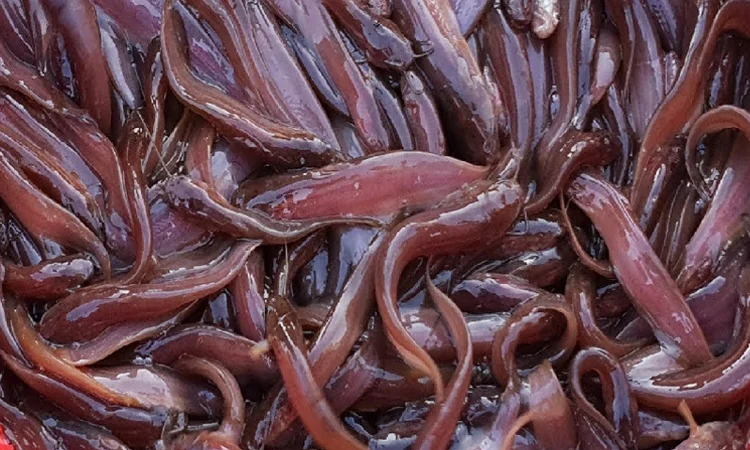
DHAKA, July 26, 2026 (BSS) - Shing fish (stinging catfish) farming is gaining popularity in the country as the demand for the nutritious, tasty and easily digestible fish continues to increase.
Farmers are showing growing interest in commercial shing fish farming as the fish can be cultivated in large numbers in a small area, creating opportunities for higher income and employment.
According to fish farmers and fisheries experts, commercial farming of indigenous shing fish in a 50-decimal pond can generate around Tk 10-12 lakh profit under proper management.
Fisheries experts said farmers usually cultivate the fish under semi-intensive and intensive farming systems, which can ensure higher production and better returns.
Dhala area under Trishal upazila of Mymensingh district is the country's largest hub for shing fish seed production.
Farmers from different parts of the country collect fry from the area and stock them in ponds for cultivation.
Besides Mymensingh, shing fish farming is also practiced in Cumilla, Jashore, Narsingdi, Noakhali and Sylhet regions.
Farmers of Dhala village have achieved financial success through shing fish farming. Many small-scale farmers are earning Tk 50,000-60,000 every six months by cultivating shing fish in ponds measuring only one decimal.
Around 35 fish hatcheries have been established in Dhala, where about 500 families are directly involved in fish farming.
The sector has created employment opportunities for thousands of people, while several farmers have received national awards for their contribution.
Azim Uddin, a fish farmer from Dhala, said he is now cultivating fish in 30 ponds after achieving financial stability through shing farming.
He said shing fish farming in a small area can bring higher profits compared to many other fish species.
Young fish farmer Ajit Barman said he supplies shing fish fry to different parts of the country alongside his studies.
According to farmers, 1.5 to 2-inch shing fry are currently sold at around Tk 3 each. Stocking 50,000 fry requires an investment of about Tk 1.5 lakh.
With proper feeding and care, each fish reaches 40-50 grams within five to six months.
If 50,000 fish are cultivated, around 48,000 may survive under proper management. The total production can reach nearly 1,920 kilograms after six months.
At the current wholesale market price of around Tk 500 per kilogram, the selling price can reach about Tk 9.6 lakh.
After deducting feed, labour and transport costs, farmers can earn around Tk 5-6 lakh from a six-month cycle.
Dr A H M Kohinur, former director and chief scientific officer of Bangladesh Fisheries Research Institute (BFRI), said shing is highly popular due to its low fat content and high-quality protein, making it especially valuable among patients and health-conscious consumers.
"Demand for live fish is higher than many other fish species. Farmers can achieve better profits through semi-intensive and intensive shing fish farming with proper technical support," he said.
He said farmers should select shaded ponds measuring 20-60 decimals for intensive farming, maintaining water depth of around 1-1.5 metres.
Before stocking fry, ponds should be properly prepared by drying, removing rotten mud, applying bleaching powder and lime, and ensuring clean water supply.
He suggested stocking around 6,000 healthy fry per decimal in prepared ponds. Proper feed containing 32-35 percent animal protein should be supplied regularly, while water quality, lime and salt application should be monitored.
Dr Kohinur said harvesting can generally be arranged seven months after stocking fry. At that time, fish may weigh 55-65 grams each.
Under improved scientific intensive farming, a 50-decimal pond can produce 10,000-12,000 kilograms of shing fish within seven months.
The required investment is around Tk 4-4.5 lakh, while potential profit may reach Tk 10-12 lakh from a single crop.